
Man Working Boots: The Complete Guide to Safety, Comfort & Performance
Everything you need to know before buying working boots for men — from safety certifications and toe protection to comfort technology, materials, and real-world performance on the job site.
START THE GUIDEWhy This Guide Matters: A man working boots is not just a purchase — it is a daily tool that protects your feet, supports your posture, and impacts your productivity. Whether you work in construction, manufacturing, electrical, or outdoor environments, the wrong pair can lead to fatigue, injury, or long-term foot problems. This guide walks you through every critical factor so you can choose with confidence.
Recommended Man Working Boots
⚠️ AFFILIATE DISCLOSURE: This website contains affiliate links. As an affiliate Associate, we earn from qualifying purchases. If you make a purchase through these links, we may receive a small commission at no additional cost to you. Read our full affiliate policy.

Furuian Steel Toe Boots for Men Women Lightweight Work Boots Pioneer Series | ASTM Certificated Safety Shoes, Width Options, Non Slip Rubber Sole, Comfortable Work Shoes for Construction, Warehouse, Yard
Check price on Amazon
NORTIV 8 Men's Tactical Hiking Boots Lightweight Cushion,Black,11 | Side Zipper Motorcycle Combat Boots with Arch Support Sole for All Day Comfort, Outdoor Hiking Military Use 8In Terrascope
Check price on Amazon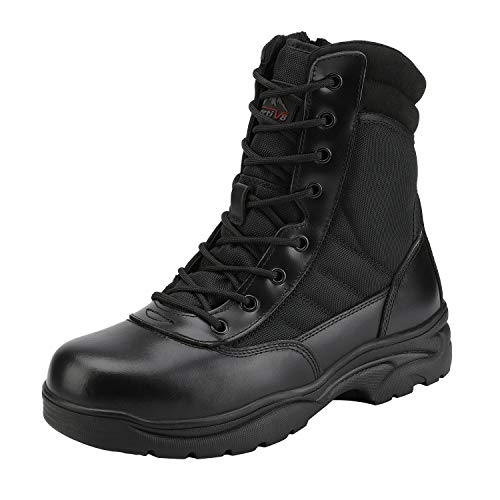
NORTIV 8 Men's Military Tactical Work Boots,Black,10.5 | Side Zipper Leather Motorcycle Combat Boots for Outdoor Work Hiking Tactical Use and Daily Wear Trooper
Check price on Amazon
NORTIV 8 Waterproof Steel Toe Work Boots for Men,Brown/Black/Tan,12 | ASTM Safety Construction Boots Slip-resistant Outsole Comfortable & lightweight design All-day Wear ARMADILLO-STL
Check price on Amazon
Timberland PRO Men's Pit Boss 6 Inch Steel Safety Toe Industrial Work Boot, Brown-2024 New, 11
Check price on Amazon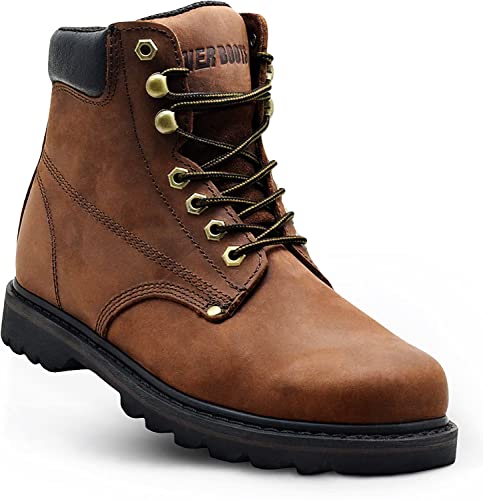
EVER BOOTS Tank Men's Soft Toe Oil Full Grain Leather Work Boots Construction Rubber Sole (10.5 D(M), Darkbrown)
Check price on Amazon
Lugz Men's Convoy Classic 6-inch Chukka Boot, Golden Wheat/Bark/Tan/Gum, 11 M
Check price on Amazon
Wolverine Men'sOverpass 6" Mid Composite Toe Waterproof Work Boot, Summer Brown, 12 Medium
Check price on AmazonWhat Exactly Makes a Boot a "Working Boot"?
Man working boots are purpose-built footwear designed to withstand the demands of physically demanding jobs. Unlike casual boots, they are engineered with specific safety features, durable materials, and construction standards that meet workplace regulations. The core difference lies in three areas: protection, durability, and support.
Most working boots fall into a few broad categories. Work boot shoes are lightweight and flexible for indoor or light-duty tasks. Good work boots for construction are heavier, with reinforced toe caps and puncture-resistant soles. Premium work boots add advanced comfort systems and premium leathers for professionals who wear them 10+ hours a day. And good slip-on work boots offer convenience for workers who need to get in and out of their boots quickly.
Understanding where your job fits on this spectrum is the first step toward choosing the right pair.
Safety Features You Must Understand Before Buying
Safety is the non-negotiable foundation of any working boot. The features below are not marketing buzzwords — they are measurable protections that can prevent serious injury.
Toe Protection: Steel, Composite, and Alloy
The toe cap is the most recognizable safety feature. Steel toe boots offer maximum compression resistance and are the traditional choice for heavy industry. Slip-resistant steel toe boots combine toe protection with traction control, making them ideal for oil-rich or wet environments. If you work in areas with metal detectors or cold climates, composite toe work boots (also available in men's sizes) are lighter and non-metallic. Square toe safety boots provide extra room for toe splay, which reduces fatigue on wide feet.
For construction and industrial work, steel toe construction boots remain the gold standard. And if you need to find options locally, steel toe boots nearby can help you try before you buy — a critical advantage when fit is uncertain.
Metatarsal and Met-Guard Protection
Beyond the toes, the top of your foot is vulnerable to falling objects. Met-guard protection adds an external shield over the instep, absorbing impact that would otherwise crush the metatarsal bones. This feature is essential for workers handling heavy materials, masonry, or warehouse logistics.
Slip Resistance and Traction
Slips, trips, and falls are among the most common workplace injuries. Work boots with slip-resistant outsoles use specialized rubber compounds and tread patterns to grip wet, oily, or uneven surfaces. This feature is mandatory in many food processing, healthcare, and industrial settings.
Electrical Hazard and Insulation
If you work near live circuits, electricians boots provide electrical hazard (EH) protection by insulating your feet from the ground. For cold environments, insulated winter work boots retain heat without sacrificing safety, keeping you productive in freezing temperatures.
Comfort Technology and Material Choices
A boot that protects but hurts will not be worn consistently — and inconsistent wear leads to injuries. Modern working boots integrate comfort systems that make 10-hour shifts manageable.
Breathability and Moisture Management
Breathable work boots use moisture-wicking linings and perforated materials to keep feet dry. This is critical for workers in hot climates or high-activity roles. Without breathability, sweat accumulates, leading to blisters, fungal issues, and premature boot breakdown.
Materials: Leather, Synthetic, and Hybrid
Full-grain leather remains the most durable and repairable option. Men's safety footwear often uses treated leather for water resistance and abrasion resistance. Synthetic materials are lighter and dry faster but may not last as long under heavy abrasion. The Goodyear welt construction method is a hallmark of quality — it allows resoling, extending the boot's life for years.
Toe Box and Fit Considerations
If you have wide feet, toed boots with a roomy toe box prevent pinching and improve circulation. The shape of the toe — round, square, or pointed — affects both comfort and safety. Square toes are popular in Western and work styles because they accommodate natural toe splay.
Matching Working Boots to Your Job
Different jobs demand different boots. This section breaks down the most common work environments and the features that matter most in each.
Construction and Heavy Industry
Construction workers need maximum protection: steel or composite toes, met-guards, puncture-resistant soles, and slip resistance. Good work boots for construction also prioritize ankle support and durability. Look for boots with reinforced heels and shanks that prevent arch collapse under heavy loads.
Electrical and Utility Work
Electricians and utility workers require EH-rated boots with non-conductive soles and no exposed metal. Electricians boots are designed specifically for this trade, often combining EH protection with comfort features for long days in the field.
Warehouse and Logistics
In warehouses, slip resistance and lightweight comfort are top priorities. Good slip-on work boots are popular because they are easy to remove and put on during breaks, and they reduce the risk of tripping on loose laces around conveyor belts or forklifts.
Outdoor and Cold Weather Work
For outdoor work in winter, insulated winter work boots are essential. They combine thermal insulation with waterproof membranes and aggressive traction for snow and ice. If your work involves walking on varied terrain, consider boots that overlap with trail hiking boot performance — they offer similar support and grip.
Quick Comparison: Working Boot Types by Price and Use
Entry-Level Work Boots
Basic steel toe, slip-resistant sole, and synthetic upper. Suitable for light-duty indoor work and occasional outdoor tasks.
$80–$150Mid-Range Work Boots
Full-grain leather, composite or steel toe, enhanced comfort insole, and better traction. Ideal for daily construction and industrial use.
$150–$250Premium Work Boots
Goodyear welt construction, advanced shock absorption, met-guard options, and premium leathers. Built for professionals who demand the best.
$250–$400Specialty Work Boots
Electrician-rated, insulated, or met-guard boots with niche safety certifications. For specialized trades and extreme environments.
$200–$500Fit, Break-In, and Long-Term Care
Even the best working boots fail if they do not fit correctly. Always try boots on at the end of the day when your feet are slightly swollen — this mimics the condition of your feet after hours of work. Ensure there is a thumb's width of space between your longest toe and the boot's end. The heel should be snug but not tight, and the arch should align with your foot's natural curve.
Break-in periods vary by material. Leather boots may take 1–2 weeks to mold to your feet, while synthetic boots break in faster. To extend the life of your boots, clean them regularly, condition leather, and replace insoles as needed. For workers who need to buy multiple pairs, men's working boots on sale can offer significant savings without compromising quality.
If you need to find boots for specific foot shapes or conditions, boots for wide feet and women's wide winter boots (for colleagues or family) are worth exploring. And for those who prefer a more casual but still functional option, cute walking boots bridge the gap between style and practicality.
Frequently Asked Questions About Man Working Boots
How often should I replace my working boots?
It depends on usage and quality. High-quality leather boots with replaceable soles can last 2–3 years with proper care. Synthetic boots may need replacement every 6–12 months in heavy-use environments. Signs it is time to replace: worn-out tread, cracked leather, compromised toe protection, or persistent foot pain.
Are steel toe boots heavier than composite toe boots?
Yes, steel toe boots are generally heavier. Composite toe boots use materials like carbon fiber, plastic, or Kevlar, which are lighter and non-metallic. However, steel toes typically offer higher compression resistance. The choice depends on whether weight or maximum protection is your priority.
Can I use working boots for hiking?
Some work boots cross over into hiking, especially those with good ankle support and traction. However, dedicated hiking boots are usually lighter and more breathable. If you split time between job sites and trails, look for hybrid designs or consider a trail hiking boot for outdoor-specific performance.
What is the difference between EH and SD ratings?
EH (Electrical Hazard) boots are designed to protect against live electrical circuits by insulating the foot from the ground. SD (Static Dissipative) boots are designed to reduce static electricity buildup, which is important in environments with flammable gases or dust. They serve different purposes — choose based on your specific workplace hazards.
Do I need met-guard protection?
If you work in environments where heavy objects could fall on the top of your foot — such as construction, masonry, or warehousing — met-guard protection is strongly recommended. It adds an external shield over the instep and is a requirement in many industrial settings.
Ready to Choose Your Perfect Pair?
Your working boots are an investment in your safety, comfort, and productivity. By understanding the safety features, materials, and fit considerations outlined in this guide, you are now equipped to make a confident decision. Explore our recommended man working boots above and take the first step toward a more comfortable, protected workday.
VIEW RECOMMENDED BOOTS