
Female Safety Shoes: The Complete Guide to Women's Work Boots
Finding safety footwear that fits properly, protects effectively, and looks professional is no longer a compromise. Our comprehensive guide helps you navigate the world of women's safety shoes, from steel toe to composite toe options, so you can make an informed decision for your work environment.
Explore Top PicksWhy Proper Safety Footwear Matters: According to occupational safety statistics, foot injuries account for a significant percentage of workplace accidents. For women in industrial, construction, healthcare, and warehouse environments, wearing the right female safety shoes is not just a requirement—it's essential protection. The challenge? Women's feet are anatomically different from men's, making unisex or men's safety boots often uncomfortable and less effective. This guide focuses exclusively on footwear designed for women's biomechanics.
Understanding Safety Shoe Standards for Women
Before diving into specific products, it's crucial to understand the safety standards that govern protective footwear. In the United States, the primary standard is ASTM F2413, which sets performance requirements for footwear designed to protect against various workplace hazards. For those working in Canada, the equivalent standard is CSA Z195, while Europe follows EN ISO 20345.
These standards test footwear for impact resistance, compression resistance, puncture resistance, electrical hazard protection, and more. When shopping for female safety shoes, always look for certification labels indicating compliance with these standards. The most common ratings you'll encounter include:
- I/75 – Impact resistance rated for 75 foot-pounds
- C/75 – Compression resistance rated for 75 foot-pounds
- EH – Electrical Hazard protection
- PR – Puncture Resistant
- Mt/75 – Metatarsal protection
- SD – Static Dissipative
Understanding these ratings helps you match footwear to your specific job requirements. For instance, electricians need EH-rated footwear, while construction workers may require metatarsal guards. If you're comparing different protection options, our guide to met guard footwear explains when additional metatarsal protection is necessary.
Types of Female Safety Shoes: Finding Your Match
Women's safety footwear comes in several distinct styles, each designed for specific work environments and hazards. Understanding these categories helps you narrow down your options efficiently.
Steel Toe Work Boots
The most traditional and widely recognized type of safety footwear. Steel toe caps provide excellent impact and compression protection at a relatively affordable price point. Modern designs have significantly improved comfort and style.
- Best for: Construction, manufacturing, heavy industry
- Protection: Impact & compression up to 75 ft-lbs
- Weight: Heavier than alternatives
For those seeking reliable protection, cute women's steel toe boots now combine safety with contemporary style.
Composite Toe Safety Shoes
Composite toe caps are made from non-metallic materials like carbon fiber, plastic, or Kevlar. They offer similar protection to steel but are lighter and don't conduct heat or cold.
- Best for: Electrical work, cold environments, airports
- Protection: Impact & compression up to 75 ft-lbs
- Weight: 15-30% lighter than steel
Explore our detailed guide to composite toe work boots for women for more in-depth information.
Slip-Resistant Work Shoes
Designed to prevent slips and falls on wet, oily, or uneven surfaces. These shoes feature specialized rubber outsoles with deep treads and specific compounds that grip various surfaces.
- Best for: Food service, healthcare, hospitality
- Protection: Slip resistance, often combined with toe protection
- Key feature: ASTM F2913 rated outsoles
Learn more about slip-resistant work boots and how they prevent workplace accidents.
Electrical Hazard (EH) Rated Footwear
These shoes have non-conductive soles and heels designed to provide secondary protection against electrical shock. They're essential for electricians and those working near live electrical circuits.
- Best for: Electricians, utility workers, maintenance
- Protection: Electrical hazard resistance
- Important: Must be kept dry to maintain protection
See our dedicated guide to electrician's boots for specialized recommendations.
Insulated Winter Work Boots
For women working outdoors in cold climates, insulated safety boots provide warmth without sacrificing protection. They typically feature Thinsulate or similar insulation and waterproof membranes.
- Best for: Outdoor work, cold storage, winter construction
- Protection: Impact, compression, cold insulation
- Key feature: Temperature ratings from -20°F to -60°F
Discover options in our guide to insulated winter work boots.
Lightweight Safety Sneakers
A growing category that combines athletic shoe comfort with safety features. Ideal for warehouse workers, supervisors, and environments where traditional boots feel excessive.
- Best for: Warehouses, light manufacturing, logistics
- Protection: Varies by model, typically toe + slip
- Key feature: Athletic styling, breathable materials
For breathable options, see our guide to breathable work boots.
Steel Toe vs. Composite Toe vs. Alloy Toe: Which Is Right for You?
One of the most important decisions when selecting female safety shoes is choosing the right toe protection material. Each option has distinct advantages and limitations.
| Feature | Steel Toe | Composite Toe | Alloy Toe |
|---|---|---|---|
| Material | Steel | Carbon fiber, Kevlar, plastic | Aluminum or titanium alloy |
| Weight | Heaviest | Lightest | Lighter than steel |
| Protection Level | Excellent (75 ft-lbs) | Excellent (75 ft-lbs) | Excellent (75 ft-lbs) |
| Conductivity | Conducts heat/cold | Non-conductive | Conducts heat/cold |
| Metal Detector | Triggers | Does not trigger | Triggers |
| Price Range | $80–$200 | $100–$250 | $120–$300 |
| Best For | General construction, heavy industry | Electrical work, cold climates, airports | Those wanting lighter steel alternative |
Your choice ultimately depends on your work environment. If you work in electrical hazard areas or pass through metal detectors regularly, composite toe is the clear winner. If you need maximum durability at a lower cost, steel toe remains an excellent choice. For a broader comparison of women's work footwear, our guide to women's black work boots covers additional options.
Key Features to Prioritize in Women's Safety Footwear
Beyond toe protection, several other features significantly impact comfort, safety, and durability. When evaluating female safety shoes, consider these essential characteristics:
Slip Resistance
Look for outsoles rated ASTM F2913 or marked "SR." These soles are tested on various surfaces including ceramic tile, steel, and wet conditions. For those in food service or healthcare, this is non-negotiable. Explore slip-resistant steel toe boots for maximum protection.
Waterproofing
Waterproof membranes like Gore-Tex or proprietary alternatives keep feet dry in wet conditions. This is essential for outdoor workers and those in wet environments. Our waterproof walking shoes for women guide covers similar technology.
Electrical Hazard Protection
EH-rated footwear provides secondary protection against electrical shock. If your work involves electrical hazards, this feature is mandatory. For comprehensive information, see our guide to electrician's boots.
Comfort Technology
Look for cushioned insoles, shock-absorbing midsoles, and arch support. Memory foam and gel inserts can dramatically improve all-day comfort. For additional support, consider arch support options.
Breathability
Moisture-wicking linings and breathable uppers prevent overheating and reduce odor. This is particularly important for indoor workers. See breathable work boots for options.
Puncture Resistance
Puncture-resistant plates protect against nails and sharp objects. Essential for construction and demolition work. Look for PR ratings in product specifications.
Getting the Right Fit: A Guide for Women
Proper fit is arguably the most critical factor in safety footwear. Ill-fitting shoes not only cause discomfort but can actually create safety hazards by affecting your stability and gait.
Women's safety shoes should fit snugly but not tightly, with approximately a thumb's width between your longest toe and the front of the shoe. The heel should not slip excessively, and the width should accommodate your foot without pinching. If you have wide feet, look for brands offering wide width options. Our guide to boots for wide feet provides additional tips for finding the right fit.
Remember that safety footwear often runs differently from regular shoes. Always try on both sizes if ordering online, and check the return policy before purchasing. For those who stand for extended periods, consider good slip-on work boots that combine convenience with support.
Recommended Products
Best Female Safety Shoes & Women's Work Boots
⚠️ AFFILIATE DISCLOSURE: This website contains affiliate links. As an affiliate Associate, we earn from qualifying purchases. If you make a purchase through these links, we may receive a small commission at no additional cost to you. Read our full affiliate policy.

Steel Toe Shoes for Women Men, Black-Pink Work Shoes, Women 6 / Men 4.5 | Shock Absorption Cushion Sole, Breathable Safety Shoes, Ideal for Construction, Warehouse, Kitchen Work, Food Service
Check price on Amazon
Tinefiy Steel Toe Shoes for Women Comfortable Safety Work Sneaker Size 7 | Indestructible Comfortable Safety Sneakers, Lightweight Breathable Construction Shoes, Puncture Proof Work Shoes
Check price on Amazon
Steel Toe Shoes for Men Women , Black Work Shoes, Men Size 6 / Women 7.5 | Indestructible Comfortable Safety Sneakers, Lightweight Breathable Construction Shoes, Puncture Proof Ergonomic Design
Check price on Amazon
Steel Toe Shoes for Men & Women Work Shoes Women Safety Toe Sneakers Unisex | All Black, Lightweight, Breathable, Arch Fit, Comfortable, Construction, Manufacturing,Garden , Garage, Running, Factory
Check price on Amazon
Ruivina Steel Toe Shoes for Men Women Safety Shoes Wide Lightweight Breathable Slip Resistant Comfortable Puncture Proof Steel Toe Tennis Work Sneakers Blue 42 W10/M9
Check price on Amazon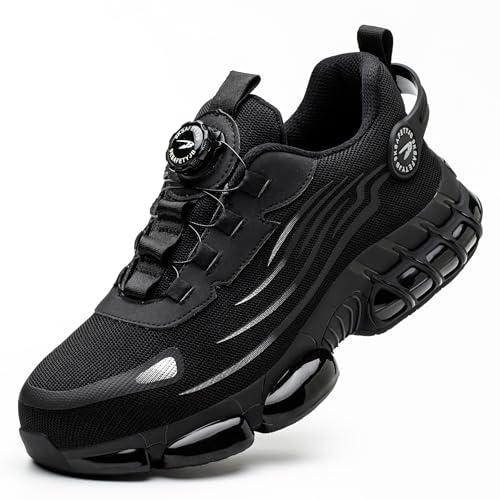
Steel Toe Work Sneakers for Men Women Lightweight Comfortable Industrial & Construction Work Safety Shoes Black
Check price on Amazon
SPIEZ Lightweight Safety Shoes for Women Work Sneakers, US8.5, Black/Purple | Breathable Composite Toe Safety Shoes Women, Puncture Proof Non-steel Toe Shoes, Slip on Work Sneakers Metal-Free
Check price on AmazonAdditional Considerations for Women in Safety Roles
Beyond the technical specifications, several practical factors influence your experience with safety footwear. First, consider the break-in period. Quality leather safety boots typically require 1–2 weeks of gradual wear to mold to your feet. Using leather conditioner and wearing them for short periods initially can ease this process.
Second, think about maintenance. Regular cleaning and conditioning extend the life of your investment. For leather boots, apply conditioner every few months; for synthetic materials, follow manufacturer guidelines. Our guide to premium work boots covers care for higher-end options.
Third, consider your specific industry requirements. Construction workers need puncture resistance and metatarsal protection, while healthcare workers prioritize slip resistance and easy cleaning. Warehouse workers benefit from lightweight designs with good cushioning. If you're in the market for general-purpose footwear, work boot shoes offer versatile options.
Finally, don't overlook the importance of proper socks. Moisture-wicking, cushioned socks designed for work footwear significantly enhance comfort and reduce blister risk. This is a small investment that makes a big difference.
Frequently Asked Questions
Are women's safety shoes different from men's?
Yes, significantly. Women's safety shoes are designed with a narrower heel, different arch placement, and generally slimmer proportions than men's footwear. Wearing men's safety boots often results in heel slippage, inadequate arch support, and increased fatigue. Always choose footwear specifically designed for women's feet for optimal comfort and safety.
How often should I replace my safety shoes?
The lifespan depends on usage and quality. Generally, replace safety footwear every 6–12 months in heavy-use environments, or when you notice worn treads, compromised toe caps, or structural deterioration. High-quality leather boots with replaceable soles may last longer with proper maintenance.
Can I use regular insoles in safety shoes?
Yes, but ensure they don't compromise the shoe's safety features. Aftermarket insoles can improve comfort and arch support. However, never modify or remove the original safety components. If you need additional support, consider arch support solutions designed for work footwear.
What's the best safety shoe for standing all day?
Look for shoes with excellent cushioning, arch support, and shock absorption. Athletic-style safety sneakers or lightweight work boots with memory foam insoles are ideal. Composite toe options reduce weight, decreasing fatigue during long shifts.
Do I need safety shoes if my workplace doesn't require them?
Even if not mandated, wearing protective footwear in environments with potential hazards is always wise. Slip-resistant soles prevent falls, toe protection guards against dropped objects, and puncture-resistant plates protect against sharp debris. Your safety should always be your priority.
Ready to Find Your Perfect Pair?
You now have the knowledge to make an informed decision about female safety shoes. Whether you need steel toe protection for construction, composite toe for electrical work, or slip-resistant footwear for healthcare, the right pair is out there. Remember to prioritize fit, verify safety certifications, and choose features that match your specific work environment.
Explore our recommended products above or continue reading our related guides for more detailed information on specific types of women's work footwear. Your feet will thank you.
View Recommended Products