
Youth Soccer Cleats: The Complete Buying Guide
Everything parents and young players need to know about choosing the right cleats for comfort, performance, and safety on the pitch.
START THE GUIDEWhy the Right Cleats Matter for Young Players: Youth soccer cleats are more than just footwear—they are essential equipment that affects a young athlete's speed, ball control, confidence, and injury risk. Unlike adult players, children and teenagers have growing feet, different biomechanics, and specific safety needs. This guide will walk you through every consideration, from surface type and fit to materials and budget, so you can make an informed purchase that supports your player's development and love for the game.
Recommended Youth Soccer Cleats
⚠️ AFFILIATE DISCLOSURE: This website contains affiliate links. As an affiliate Associate, we earn from qualifying purchases. If you make a purchase through these links, we may receive a small commission at no additional cost to you. Read our full affiliate policy.

adidas Unisex-Kids Goletto IX Firm Ground/Multi Ground Soccer, Black/Lucid Pink/Black, 2
Check price on Amazon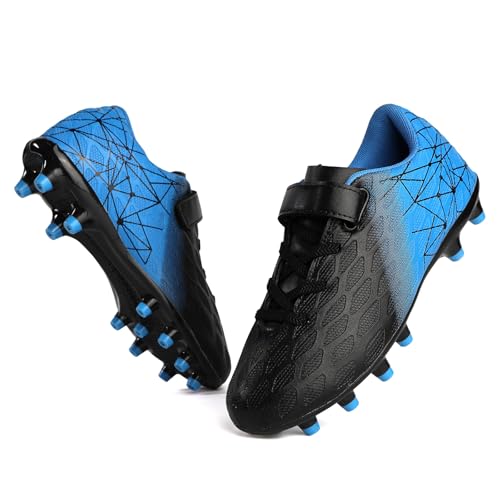
Skerxut Soccer Cleats, Kids Firm Ground Football Shoes, Boys Girls Athletic Outdoor (Black/Blue, Little Kid, 13, Numeric, US Footwear Size System, Medium)
Check price on Amazon
adidas Unisex-Kids Goletto IX Firm Ground/Multi Ground Soccer, Lucid Blue/Lucid Lemon/Dark Blue, 12
Check price on Amazon
OKPHRA Kids Soccer Cleats Boys Girls Turf Traning Football Shoes, Green 39 | Outdoor Indoor,Youth Firm Ground Training Athletic Lace up ,slip resistant ,lightweight,comfort
Check price on Amazon
Puma Unisex-Child ATTACANTO Firm, Artificial Ground Soccer Cleats, Heat Fire-Black AH25, Big Kid 12
Check price on Amazon
adidas Unisex-Kids Samba Indoor Soccer, Black, 6 | Boys and Girls, Soccer Shoes, Football Boots, Sports Performance Shoes, Leather Upper, Lace Closure, For Indoor Surfaces
Check price on AmazonHow to Choose Youth Soccer Cleats: A Step-by-Step Guide
Choosing the right cleats can feel overwhelming with so many brands, styles, and price points available. However, by focusing on a few key factors—surface type, fit, material, and construction—you can narrow down the options quickly. The goal is to find a pair that feels like a natural extension of your young player's foot, provides the traction they need for their playing surface, and fits within your budget. Remember that the most expensive cleats are not always the best for a growing player; comfort and proper fit should always come first.
⚽ Surface Type
The playing surface is the single most important factor. Firm ground (FG) cleats are for natural grass, while artificial grass (AG) cleats have shorter, more numerous studs for synthetic turf. Indoor courts require flat-soled shoes. Using the wrong cleat type can reduce performance and increase injury risk. Always match the cleat to the surface your player competes on most often.
👟 Fit & Comfort
Youth cleats should fit snugly but not tightly. There should be about a thumbnail's width of space between the longest toe and the front of the shoe. Avoid buying cleats that are too big, hoping the child will "grow into them"—this leads to blisters, instability, and poor ball control. If your child is between sizes, consider a wider model or a half-size up.
🧱 Materials & Durability
Synthetic leather (PU) is lightweight, affordable, and easy to clean—ideal for most youth players. Natural leather offers superior comfort and ball feel but is heavier and requires more care. For young players who play frequently, look for reinforced toe caps and quality stitching to extend the life of the cleats.
🔒 Closure System
Laces remain the standard for a secure, adjustable fit. However, some youth models feature hook-and-loop straps or elastic laces for younger children who struggle with tying. Velcro closures can be a great option for kids under 8, offering independence and a consistent fit.
💰 Budget & Value
Youth soccer cleats are available at various price points, from budget-friendly options under $50 to premium models over $150. For recreational players, a mid-range cleat ($50–$100) often offers the best balance of durability and performance. Avoid paying for elite features that won't benefit a developing player.
🦶 Growth & Replacement
Children's feet can grow up to half a size every few months. Check the fit regularly and replace cleats when there is less than a half-inch of space at the toe. Hand-me-downs can work for casual play but may be worn unevenly, affecting comfort and performance.
Youth Soccer Cleat Types Compared
Understanding the different cleat types is essential for making the right choice. The table below outlines the most common options for youth players and when each is appropriate.
| Cleat Type | Best For | Stud Shape | Typical Price Range |
|---|---|---|---|
| Firm Ground (FG) | Natural grass fields | Longer, conical or bladed studs | $40–$150 |
| Artificial Grass (AG) | Synthetic turf pitches | Shorter, more numerous studs | $50–$160 |
| Soft Ground (SG) | Wet, muddy natural grass | Long metal studs (removable) | $70–$200 |
| Indoor (IC) | Futsal and indoor courts | Flat, non-marking rubber sole | $40–$120 |
| Turf (TF) | Hard ground and older turf | Many small rubber nubs | $35–$100 |
Synthetic vs. Natural Leather: What's Best for Youth?
When shopping for youth soccer cleats, one of the biggest decisions is the upper material. Both synthetic and natural leather have distinct advantages and drawbacks. Here's a breakdown to help you decide.
✅ Synthetic Leather (PU)
- Lightweight and affordable
- Water-resistant and easy to clean
- Retains shape well over time
- No break-in period required
- Consistent fit and feel
❌ Natural Leather
- Heavier and more expensive
- Requires regular cleaning and conditioning
- Can stretch and lose shape
- Needs a break-in period
- Absorbs water if not treated
For most youth players, synthetic leather is the practical choice. It offers excellent value, requires minimal maintenance, and performs well in various conditions. Natural leather is best reserved for advanced players who prioritize touch and comfort and are willing to care for their cleats properly. If your child also enjoys other sports or activities, you might explore kids hiking shoes for outdoor adventures beyond the soccer field.
Getting the Fit Right: A Parent's Checklist
Proper fit is non-negotiable for youth soccer cleats. Ill-fitting cleats cause blisters, black toenails, and even long-term foot problems. Use this checklist when trying on cleats:
1. Measure at the End of the Day
Feet swell slightly during the day and after activity. Measure your child's feet in the afternoon or evening for the most accurate size. Use a Brannock device or trace their foot on paper and measure the length in centimeters.
2. Check Toe Room
There should be about 1/4 to 1/2 inch (a thumbnail's width) between the longest toe and the front of the cleat. This prevents toe stubbing while allowing for natural foot movement.
3. Test the Width
The cleat should feel snug around the midfoot without pinching. If your child has wide feet, look for cleats specifically designed for wider fits. Many brands offer wide sizing options.
4. Heel Lock
The heel should be locked in place with no slipping when walking or running. A slipping heel causes blisters and reduces stability. Try different lacing techniques if needed.
5. Walk and Run Test
Have your child walk, jog, and cut side-to-side in the cleats. They should feel stable and comfortable. If they complain of pressure points or discomfort, try a different model or size.
6. Wear Game Socks
Always try on cleats with the socks your child will wear during games. Soccer socks are thicker than everyday socks and can affect the fit significantly.
Caring for Youth Soccer Cleats
Proper care extends the life of soccer cleats and keeps them performing at their best. After each match or practice, knock off excess dirt and mud. Use a soft brush or a boot scrubber to clean the upper and studs. For synthetic cleats, a damp cloth is usually sufficient. Avoid soaking cleats in water or putting them in a washing machine, as this can damage the adhesives and materials. Allow cleats to air dry naturally, away from direct heat sources like radiators or sunlight, which can cause cracking and warping.
If your child plays on multiple surfaces, consider keeping separate cleats for grass and turf to prevent excessive wear. Rotating between two pairs also gives each pair time to dry and recover, extending their overall lifespan. For leather cleats, apply a leather conditioner periodically to keep the material supple and water-resistant. You can learn more about leather care in our guide to oiling boots, which shares principles applicable to leather soccer cleats.
Safety First: Injury Prevention for Young Players
Youth soccer involves running, cutting, jumping, and sudden stops—all of which put stress on the feet, ankles, and knees. The right cleats can help reduce injury risk. Look for cleats with good lateral support, a stable heel counter, and appropriate stud configuration for the surface. Avoid metal studs for young players unless playing on soft, wet grass, as they can cause injuries to other players during challenges.
In addition to cleats, consider using shock-absorbing insoles or heel cushions for players who complain of foot fatigue or heel pain. Proper warm-up and conditioning also play a crucial role in injury prevention. If your child plays other sports, they may benefit from footwear designed for those activities, such as football trainers for training sessions or AG soccer cleats for artificial grass pitches.
Ready to Find the Perfect Pair?
Browse our recommended youth soccer cleats above and give your young player the comfort, confidence, and performance they deserve on the pitch.
SHOP RECOMMENDED CLEATSFrequently Asked Questions About Youth Soccer Cleats
Final Thoughts: Investing in Your Young Player's Game
Choosing the right youth soccer cleats is an investment in your child's comfort, performance, and love for the game. By prioritizing proper fit, matching the cleat to the playing surface, and selecting durable materials, you can ensure your young player has the best possible experience on the pitch. Remember that the most expensive cleats aren't always the best—comfort, safety, and suitability for your child's level of play matter far more than brand names or price tags.
Whether your child is just starting out in recreational soccer or competing at a higher level, the right footwear will help them play with confidence and reduce the risk of injury. Use this guide as your reference, explore our recommended products above, and enjoy watching your young athlete thrive on the field.
For more footwear guidance, explore our related articles on infant soft sole shoes for the youngest family members and lightweight boots for versatile everyday wear.