
Infant Soft Sole Shoes: The Complete Buying Guide
Give your baby's feet the best start. Learn how to choose the perfect soft sole shoes that support natural foot development, comfort, and those precious first steps.
START YOUR RESEARCHWhy Soft Sole Shoes Matter: Unlike rigid adult footwear, infant soft sole shoes are designed to mimic barefoot walking. They allow natural foot movement, promote healthy muscle development, and provide just enough protection for your little one's delicate feet. This guide will help you understand exactly what to look for before you buy.
Best Infant Soft Sole Shoes for Healthy Development
⚠️ AFFILIATE DISCLOSURE: This website contains affiliate links. As an affiliate Associate, we earn from qualifying purchases. If you make a purchase through these links, we may receive a small commission at no additional cost to you. Read our full affiliate policy.
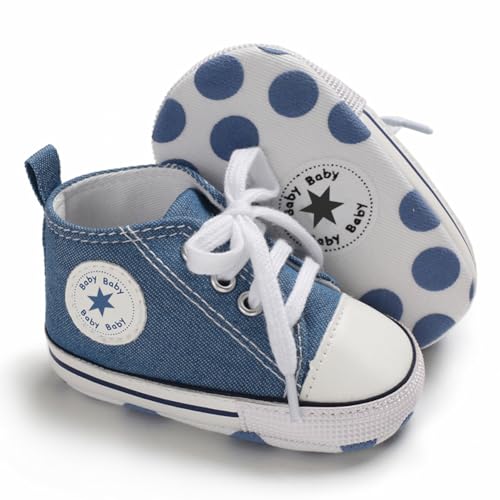
KKIIDDSS Unisex Baby Canvas High-top Shoes, Little Blue, 0-6 Months | Newborn Infant, Anti-Slip, Soft Sole, First Walking Sneakers
Check price on Amazon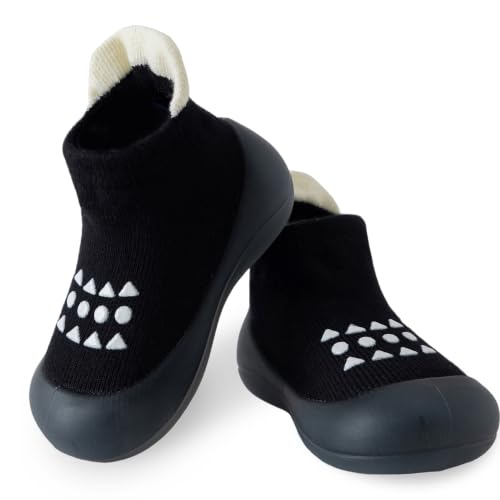
Hstyle Baby Walking Sock Shoes Toddler Infant Slippers Black 12-18 Month | Non-Slip,Soft Rubber Sole,Lightweight,1st Birthday Gifts for Baby Boys Girls
Check price on Amazon
Mejale Baby Soft Soled Leather Moccasins Anti-Slip Infant Toddler Shoes First Walkers(Brown,12-18 Mos/5.5in)
Check price on Amazon
Bellocasa Baby Boys Girls Sneakers Toddler Non-Slip Soft Rubber Sole First Walking Shoes Infant Newborn Crib Dress Shoes (JY6193 Green,1)
Check price on Amazon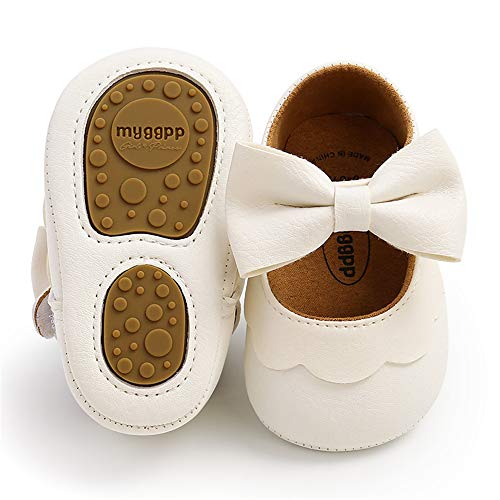
LAFEGEN Baby Girls Mary Jane Flats with Bownot Non Slip Soft Sole PU Leather Newborn Infant Toddler First Walker Cirb Dress Shoes, 6-12 Months Infant, 07 White
Check price on Amazon
BACSAC Baby Shoes Toddler Shoes Boys Girls Infant Sock Shoes Lightweight Breathable Walking Baby Shoes 6-36 Months Black,12-18 Months
Check price on Amazon
Pro Goleem Fleece Baby Booties, Warm Cozy Baby Slippers, Stay On Sock Shoes, Easy to Put on, Unisex Baby Gifts, Soft Non-Slip Adjustable Newborn Boots for Boys and Girls 6-12 Months, Black
Check price on AmazonUnderstanding Infant Foot Development
Why Your Baby's Feet Need Special Attention
An infant's foot is not simply a miniature version of an adult foot. At birth, a baby's foot consists mostly of cartilage, with the bones gradually ossifying (hardening) over the first several years of life. The arch of the foot doesn't fully develop until around age 3 to 6. This means that what you put on your baby's feet during these critical years can influence their foot health for a lifetime.
Soft sole shoes are specifically designed to accommodate this developmental stage. They provide a protective layer between your baby's feet and the ground while allowing the foot to flex, grip, and move naturally. This sensory feedback is essential for building balance, coordination, and strong foot muscles.
When Should Your Baby Start Wearing Shoes?
Many pediatric experts recommend that babies remain barefoot indoors as much as possible during their first year. Barefoot time allows the feet to develop naturally and strengthens the muscles and ligaments. However, once your baby begins to explore the outdoors, cruise furniture, or take those first wobbly steps, soft sole shoes become an excellent choice for protection.
Soft sole shoes are generally suitable from around 6 months to 3 years, depending on your child's developmental stage. If you're looking for footwear for older children, you might explore children's Chelsea boots or black children's boots for more structured options once their feet are more developed.
Key Features to Look For in Infant Soft Sole Shoes
Flexible Sole
The sole should bend easily in your hand and flex with your baby's natural foot movement. A good test is to bend the shoe from heel to toe — it should fold effortlessly.
Secure Fit
Look for adjustable closures like Velcro, elastic, or snap buttons that keep the shoe securely on the foot without being too tight. Avoid slip-on styles that can easily fall off.
Breathable Materials
Leather, cotton, and breathable mesh are ideal. These materials allow air circulation, preventing moisture buildup and keeping little feet comfortable.
Wide Toe Box
Your baby's toes need room to spread and wiggle. A wide, rounded toe box prevents crowding and supports natural toe splay.
Lightweight Construction
Heavy shoes can tire your baby's legs quickly. Soft sole shoes should feel almost weightless, allowing unrestricted movement.
Non-Slip Bottom
While the sole should be thin and flexible, it should also provide some traction. Look for subtle grip patterns on the bottom to prevent slips on smooth surfaces.
Choosing the Right Materials
Leather: The Gold Standard
Genuine leather is often considered the best material for infant soft sole shoes. It's naturally breathable, molds to the shape of your baby's foot over time, and is durable enough to withstand daily wear. Leather also provides a soft, pliable structure that supports natural movement. For parents looking for ethical alternatives, vegan boots and shoes made from high-quality synthetic materials can also be excellent choices.
Cotton and Canvas: Lightweight and Breathable
Cotton and canvas soft sole shoes are lightweight, machine washable, and perfect for warmer weather. They're an affordable option and come in a wide variety of colors and patterns. However, they may not be as durable as leather for heavy outdoor use.
Suede: Soft and Stylish
Suede offers a luxurious feel and excellent flexibility. It's softer than full-grain leather and provides a good grip. Just keep in mind that suede requires a bit more care to keep clean. If you're looking for suede footwear for older kids or adults, browse options like waterproof suede and suede fold-over boots.
Soft Sole vs. Hard Sole: What's the Difference?
| Feature | Soft Sole Shoes | Hard Sole Shoes |
|---|---|---|
| Best For | Babies learning to crawl, cruise, and take first steps | Confident walkers and older children |
| Flexibility | Extremely flexible, mimics barefoot walking | Rigid, provides more structure and support |
| Foot Development | Supports natural muscle and bone development | Better for established walkers who need arch support |
| Protection | Light protection from rough surfaces | Maximum protection from debris and weather |
| Recommended Age | 6 months to 3 years (approx.) | 3 years and up |
| Price Range | $15–$60 per pair | $25–$120+ per pair |
Pros and Cons of Infant Soft Sole Shoes
✅ Advantages
- Promotes natural foot development and muscle strength
- Allows babies to feel the ground for better balance
- Lightweight and comfortable for all-day wear
- Easy to put on and take off with adjustable closures
- Breathable materials reduce sweating and odor
- Generally more affordable than structured shoes
- Encourages a more natural walking gait
⚠️ Considerations
- Less protection on very rough or sharp surfaces
- Not suitable for cold or wet weather conditions
- Wear out faster than hard sole shoes
- May not provide enough support for children with certain foot conditions
- Limited availability in some retail stores
How to Measure Your Baby's Feet for Soft Sole Shoes
Step-by-Step Measuring Guide
Getting the right fit is crucial for your baby's comfort and foot development. Here's how to measure your baby's feet accurately at home:
- Step 1: Measure your baby's feet at the end of the day when feet are slightly larger. Place a piece of paper on a hard floor.
- Step 2: Have your baby stand (or hold them steady) with their heel against a wall or straight edge.
- Step 3: Mark the longest toe on the paper. Measure the distance from the heel to the mark in centimeters or inches.
- Step 4: Add 0.5–1 cm (about 0.25 inch) of growing room to the measurement. This allows for movement and growth.
- Step 5: Measure both feet — babies often have one foot slightly larger. Always size up to the larger foot.
- Step 6: Check the manufacturer's sizing chart, as sizes can vary between brands.
Remember: A properly fitted soft sole shoe should stay on your baby's foot without being tight. You should be able to fit a finger between the shoe and your baby's ankle. For more detailed fit guidance, check out our resources on children's Chelsea boots and black children's boots for older children.
Popular Infant Soft Sole Shoe Styles
Classic Moccasins
Timeless and adorable, moccasin-style soft sole shoes feature a simple slip-on design with elastic or laces. They're perfect for everyday wear and come in endless color combinations.
Mary Jane Style
A sweet, feminine option with a strap across the instep. These are ideal for special occasions and dressier outfits. Check out Mary Jane boots for older girls.
Sandals
Open-toe soft sole sandals are perfect for warm weather. They keep little feet cool while providing protection. For water play, consider water shoes for older children and adults.
Booties
Soft sole booties cover the ankle and provide extra warmth. They're great for cooler months and can be paired with bootie slippers for indoor comfort.
Sneaker Style
Sporty and practical, soft sole sneakers feature laces or Velcro and a slightly more structured look. Perfect for active babies on the go.
Crib Shoes
These are the softest, most minimal option for newborns and young infants. They're essentially fabric coverings that keep tiny feet warm without restricting movement.
Caring for Your Infant's Soft Sole Shoes
Keeping Those Tiny Shoes Fresh and Clean
Babies put everything in their mouths, and their shoes are no exception. Keeping soft sole shoes clean is important for hygiene and longevity. Here are some practical tips:
- Leather shoes: Wipe with a damp cloth and mild soap. Allow to air dry away from direct heat. Condition occasionally with a leather-safe conditioner.
- Cotton and canvas: Most are machine washable on a gentle cycle. Use a mesh laundry bag to protect them and air dry.
- Suede: Brush gently with a suede brush to remove dirt. For deeper cleaning, use a suede-specific cleaner. If you need to protect suede, consider waterproof suede treatments.
- General tip: Rotate between two or three pairs to extend their life. This allows each pair to dry completely between wears.
For more footwear care tips, browse our guides on oiling boots and using a boot scrubber.
Common Mistakes to Avoid When Buying Infant Soft Sole Shoes
What Parents Often Get Wrong
- Buying shoes that are too big: While you want growing room, shoes that are excessively large can cause tripping and won't provide proper support. Stick to 0.5–1 cm of extra space.
- Choosing style over function: Those adorable miniature sneakers might look great, but if they're stiff and heavy, they're not doing your baby's feet any favors.
- Ignoring the closure system: Slip-on shoes might seem convenient, but they often fall off wiggly baby feet. Adjustable closures are worth the extra second it takes to put them on.
- Not checking the sole flexibility: Always bend the shoe before buying. If it doesn't flex easily, it's too stiff for a developing foot.
- Skipping the measurement: Guessing your baby's shoe size based on age is unreliable. Always measure their feet before purchasing.
- Keeping shoes too long: Babies' feet grow quickly. Check the fit every 6–8 weeks to ensure the shoes aren't becoming too tight.
Frequently Asked Questions About Infant Soft Sole Shoes
Are soft sole shoes better than hard sole shoes for babies?
For babies who are learning to walk or are new walkers, soft sole shoes are generally recommended by pediatric professionals. They allow for natural foot movement and sensory feedback that supports healthy development. Once your child is a confident walker (usually around age 3), transitioning to more structured shoes with firmer soles can provide additional support and protection.
How many pairs of soft sole shoes does my baby need?
Two to three pairs is usually sufficient for most families. This allows you to have one pair for everyday wear, one for special occasions or dressier outfits, and one backup while the others are being cleaned. Rotating shoes also helps them last longer.
Can my baby wear soft sole shoes outdoors?
Yes, soft sole shoes are designed for both indoor and outdoor use. They provide protection from rough surfaces while still allowing natural movement. However, for wet, cold, or very rough terrain, you may want to consider more protective footwear like waterproof duck boots or cold weather waterproof boots for older children.
How often should I replace my baby's soft sole shoes?
Babies' feet grow rapidly — up to two full sizes in the first year alone. You should check the fit every 6–8 weeks. A general rule is to replace shoes when there's less than 0.5 cm of space between the longest toe and the front of the shoe. Also replace shoes that show significant wear, such as holes in the sole or stretched-out closures.
What's the best time of day to measure my baby's feet?
Measure your baby's feet at the end of the day. Feet naturally swell slightly throughout the day due to activity and gravity, so measuring in the evening ensures you get the most accurate size for a comfortable fit throughout the day.
Ready to Find the Perfect Pair?
Now that you understand what makes a great soft sole shoe, explore our recommended selection above. Each pair has been chosen for quality, comfort, and style — giving your baby's feet the best possible start.
SHOP RECOMMENDED SHOESRelated Footwear Guides
Children's Footwear
Explore our guides on children's Chelsea boots, black children's boots, and children's white boots for growing feet.
Kids' Outdoor Shoes
For active kids, check out kids hiking shoes and youth soccer cleats designed for adventure and play.
Little Cowgirl & Cowboy
Dress up their little feet with little cowgirl boots and cowboy boot slippers for a touch of western charm.