
Women's Deck Boots: Complete Buying Guide & Style Tips
Everything you need to know about choosing the perfect women's deck boots for boating, rainy days, and casual waterfront style.
SHOP RECOMMENDED PICKSWomen's deck boots have evolved far beyond basic rubber rain gear. Today, they are a versatile footwear category that blends nautical heritage with modern comfort technology, making them a staple for boat owners, anglers, coastal residents, and anyone who values dry, secure footing in wet conditions.
Unlike traditional waterproof duck boots or heavy cold weather boots, deck boots are engineered with a specific purpose: to keep your feet dry and stable on wet, moving surfaces. The signature feature is a non-marking, siped rubber outsole that channels water away from the sole, delivering reliable traction on boat decks, docks, and slick pavement.
This guide will walk you through everything you need to know before buying a pair — from materials and fit to style considerations — so you can make a confident, informed purchase.
What Exactly Are Women's Deck Boots?
Deck boots are a hybrid footwear style that combines the waterproof protection of a rubber rain boot with the low-profile, slip-resistant design of a boat shoe. Originally created for sailors and fishermen who needed reliable grip on wet, pitching decks, they have since become a mainstream choice for anyone dealing with rain, mud, or wet terrain.
Most women's deck boots feature a 100% waterproof rubber or neoprene upper, a cushioned insole for all-day comfort, and a pull-on or lace-up design for easy wear. Many modern versions include breathable linings, moisture-wicking linings, and even insulated options for cooler weather. If you are looking for something more rugged for trail use, you might prefer a dedicated waterproof suede boot, but for pure wet-surface performance, deck boots are hard to beat.
Key Features to Look For
100% Waterproof Construction
Look for seamless rubber or neoprene uppers. A fully molded construction eliminates stitching that can leak over time. This is the single most important feature for a true deck boot.
Non-Marking Siped Outsole
Siping refers to the thin slits cut into the rubber sole that channel water away and create suction-like grip. Non-marking means the sole won't leave scuff marks on fiberglass or gelcoat boat surfaces.
Comfort & Cushioning
A removable, cushioned footbed makes a huge difference for all-day wear. Some brands offer arch support and heel cups that rival performance sneakers. If you need extra support, consider adding an orthopedic insole.
Easy On & Off
Pull tabs, side handles, or a low-profile silhouette make deck boots easy to slip on and off. This is especially useful when you're on a boat or in a hurry to get out of wet gear.
Breathable Linings
Rubber doesn't breathe, so quality deck boots include moisture-wicking linings or air channels to reduce sweat and odor. This keeps your feet comfortable even in warm weather.
Insulation Options
For cold-weather boating or winter use, look for neoprene-lined or fleece-lined deck boots. They provide warmth without the bulk of a full winter snow boot.
Materials: Rubber vs. Neoprene vs. Leather
Understanding the differences between deck boot materials helps you choose the right pair for your climate and activity level.
| Material | Waterproofing | Durability | Comfort | Best For |
|---|---|---|---|---|
| Rubber | Excellent | High | Moderate | Heavy rain, fishing, dock work |
| Neoprene | Excellent | Moderate | High | Cold weather, extended wear |
| Leather | Good (treated) | Very High | High | Casual wear, urban style |
| Canvas + Rubber | Moderate | Moderate | High | Light rain, everyday wear |
For a full leather option that can handle wet conditions, a full-grain leather boot with proper waterproofing treatment can work well, but it requires more maintenance than rubber. Regular oiling and conditioning is essential to keep leather supple and water-resistant.
How to Get the Right Fit
Fit is critical with deck boots because a loose boot can cause blisters on a moving boat, while a too-tight boot restricts circulation and comfort. Here is what to keep in mind:
- Size up for thick socks: If you plan to wear wool or thick athletic socks, consider going up a half size. Many deck boots run true to size but have a snug fit.
- Check the heel: Your heel should not slide up and down when you walk. A slight lift is normal, but excessive movement leads to blisters.
- Toe room: You should have about a thumb's width of space between your longest toe and the front of the boot.
- Width matters: If you have wide feet, look for brands that offer wide sizing or choose a neoprene style that stretches.
- Test with the right socks: Always try on deck boots with the socks you plan to wear most often.
If you are unsure about your measurements, our fit and measurement guide can help you get accurate numbers before you buy.
Styling Women's Deck Boots
One of the best things about modern deck boots is how versatile they are. They are no longer confined to the boat — they have become a fashion-forward choice for rainy days, festivals, and casual outings.
Casual Everyday Look: Pair ankle-height deck boots with skinny jeans, a cozy sweater, and a rain jacket. This is the quintessential Pacific Northwest or New England coastal style. For a similar aesthetic, you might also like brown Chelsea boots or everyday boots.
Festival & Outdoor: Taller deck boots in bold colors work great with shorts, leggings, or a flowy dress. They provide practical protection from mud and rain while still looking intentional. If you like this vibe, check out our rain boots guide for more inspiration (styles apply across genders).
Nautical & Preppy: Classic navy or white deck boots with khakis and a striped shirt create a timeless coastal look. This pairs beautifully with long skirts with boots for a more relaxed, bohemian twist.
Color Choices: While classic black and navy are the most practical, don't overlook fun options like teal boots, salmon pink shoes, or even cheetah print boots for a bold statement.
Caring for Your Deck Boots
Deck boots are low-maintenance compared to leather footwear, but a little care goes a long way toward extending their life.
- Rinse after use: Saltwater and mud can degrade rubber over time. Rinse your boots with fresh water after each use, especially if you've been in saltwater.
- Air dry only: Never put rubber boots in a dryer or near a direct heat source. Heat can warp the rubber and cause cracking. Stuff them with newspaper and let them air dry at room temperature.
- Clean the outsole: Use a boot scrubber or a stiff brush to remove debris from the siped sole. This maintains grip performance.
- Store properly: Keep them in a cool, dry place away from direct sunlight. UV exposure can cause rubber to become brittle over time.
- Use a boot dryer: For frequent use, a boot dryer is a worthwhile investment. It circulates air inside the boot to prevent moisture buildup and odor.
What to Consider Before Buying
Before you add a pair of women's deck boots to your cart, ask yourself these questions:
1. What will you use them for? If you're primarily fishing or working on a boat, prioritize grip and durability. If you want them for fashion and light rain, you have more flexibility in style.
2. What is your climate? In warmer climates, a non-insulated rubber boot is fine. In colder regions, look for neoprene or fleece-lined options. For extreme cold, you might need a dedicated warmest winter snow boot for women.
3. How tall do you want them? Ankle-height deck boots are the most versatile and easiest to wear. Mid-calf and tall styles offer more splash protection but can feel bulky.
4. What is your budget? Women's deck boots range from around $40 for basic rubber models to $150+ for premium neoprene or leather versions. Mid-range options ($60–$100) often offer the best balance of comfort, durability, and style.
5. Do you need wide sizing? Not all brands offer wide widths. If you have wider feet, look for brands that specialize in inclusive sizing or choose a stretchy neoprene model.
Frequently Asked Questions
Best Women's Deck Boots to Buy Today
⚠️ AFFILIATE DISCLOSURE: This website contains affiliate links. As an affiliate Associate, we earn from qualifying purchases. If you make a purchase through these links, we may receive a small commission at no additional cost to you. Read our full affiliate policy.

Women's Deck Boots, Waterproof Ankle Rain Boots, Fishing & Garden Boots | Rubber Boots, Anti-Slip Traction, Boating, Camping, Farming & Outdoor Work
Check price on Amazon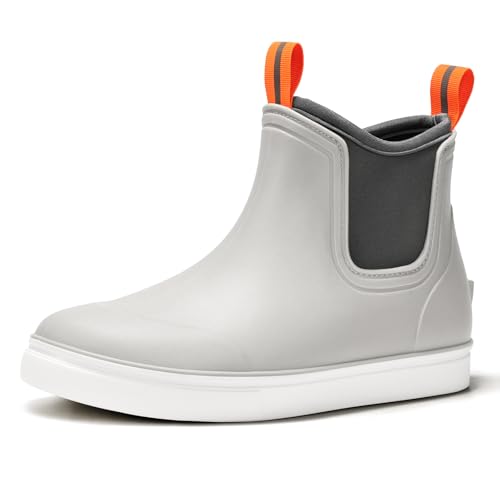
ZCVQX Women's Deck Boots Waterproof Ankle Rain Boots | Outdoor Fishing Garden Boots for Women, Anti-Slip Shoes, Lightweight Comfortable Work Shoes, Gery, Size 8
Check price on Amazon
XTRATUF 6" Women's Ankle Deck Boot - Size 8, Ivory Duck Camo | Lightweight, 100% Waterproof Rubber Footwear - Non-Marking, Slip-Resistant Outsole - Moisture-Wicking Liner
Check price on Amazon
SUREWAY Women's Waterproof Ankle Deck Boots,All Pink,8 | Lightweight, Professional Slip Resistant, Neoprene Rubber Rain Boots
Check price on Amazon
SUREWAY Women's Deck Boots Non-Slip Fishing & Ankle Boot EARTH CAMO 9 | Waterproof Rain Boots, Lightweight Neoprene Rubber Deck Boots
Check price on Amazon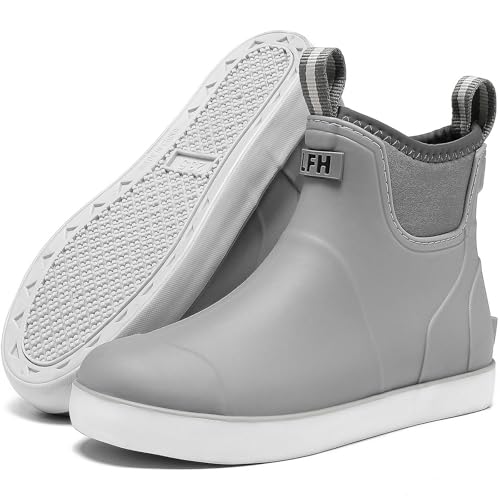
Women's Deck Boots, Waterproof Ankle Rain Boots, Fishing & Garden Boots | Rubber Boots, Anti-Slip Traction, Boating, Camping, Farming & Outdoor Work
Check price on Amazon
HUK Womens Rogue Wave Shoe | High-performance Fishing & Deck Boot, Solid - White, 8
Check price on Amazon
Women's Deck Boots Rubber Rain Boots Chelsea Ankle Booties | Waterproof, Anti-Slip Sole Fishing Boots for Outdoor Work Garden Camping
Check price on AmazonReady to Find Your Perfect Pair?
Browse our curated selection of women's deck boots and get ready for your next adventure on the water or in the rain.
SHOP DECK BOOTS NOW