
Water Boots: The Ultimate Guide to Staying Dry & Comfortable
Discover the best waterproof, rubber, and insulated water boots for rain, fishing, hunting, and outdoor work. Learn how to choose the right pair for your needs.
EXPLORE WATER BOOTSWhy Water Boots Matter: Whether you're wading through a stream, working in wet conditions, or simply navigating a rainy city, the right water boots keep your feet dry, warm, and protected. This guide covers everything you need to know before buying your next pair.
What Are Water Boots and Why Do You Need Them?
Water boots are specially designed footwear engineered to keep your feet completely dry in wet environments. Unlike regular boots that may offer some water resistance, true water boots are constructed with waterproof materials like rubber, neoprene, or treated leather, and feature sealed seams to prevent any moisture penetration. They are essential for anyone who spends time in wet conditions—from fishermen and hunters to construction workers and everyday commuters. If you're looking for versatile footwear that handles both wet trails and urban puddles, exploring comfortable waterproof walking boots is a great starting point.
Types of Water Boots: Find Your Perfect Match
Rubber Boots
The classic choice for complete waterproof protection. Made from natural or synthetic rubber, these boots are ideal for fishing, farming, and heavy rain. They're easy to clean and offer excellent protection against water, mud, and chemicals.
- Best for: Fishing, farming, heavy rain
- Material: Natural or synthetic rubber
- Price range: $30–$150
Neoprene Boots
Neoprene water boots offer superior insulation and flexibility. They're perfect for cold, wet conditions and are commonly used for hunting, fishing, and winter chores. The material traps warmth while keeping water out.
- Best for: Cold weather, hunting, fishing
- Material: Neoprene with rubber shell
- Price range: $60–$250
Waterproof Leather Boots
For those who need style and function, waterproof leather boots are treated to repel water while maintaining a classic look. They're great for everyday wear, light hiking, and urban environments. Pair them with proper care using leather boot cleaner and conditioner to maintain their water-repellent properties.
- Best for: Everyday wear, light hiking, work
- Material: Treated full-grain leather
- Price range: $80–$300
Wading Boots
Specialized footwear for anglers and fly fishermen. Wading boots feature specialized soles for traction on slippery riverbeds and are designed to be worn with waders. For stockingfoot waders, check out wading boots for stockingfoot waders.
- Best for: Fly fishing, river wading
- Material: Rubber, synthetic, felt
- Price range: $80–$250
Key Features to Look For in Water Boots
- Waterproof Construction: Look for seamless construction or sealed seams. Rubber and neoprene are naturally waterproof, while leather requires special treatment.
- Traction & Grip: A reliable outsole is critical for wet, slippery surfaces. Look for deep lugs and rubber compounds designed for wet conditions. For work environments, consider waterproof slip-resistant work shoes.
- Insulation: If you'll be in cold water or weather, insulated boots with neoprene or Thinsulate linings will keep your feet warm.
- Comfort & Fit: Ensure the boots have adequate arch support and a comfortable fit. Adding insoles can enhance comfort for long wear.
- Height: Higher boots offer more protection from deep water and debris. Ankle-height is fine for light rain, while knee-high boots are better for wading.
- Breathability: Some waterproof materials can cause sweaty feet. Look for breathable membranes like Gore-Tex if you'll be active. For walking, waterproof breathable walking shoes are an excellent choice.
Water Boots Comparison: Which Type Is Right for You?
| Type | Waterproofing | Insulation | Best Use | Price Range |
|---|---|---|---|---|
| Rubber Boots | Excellent | Low to Moderate | Fishing, farming, rain | $30–$150 |
| Neoprene Boots | Excellent | High | Cold weather, hunting | $60–$250 |
| Waterproof Leather | Good to Excellent | Moderate | Everyday, light hiking | $80–$300 |
| Wading Boots | Excellent | Low | Fly fishing, river wading | $80–$250 |
Pros and Cons of Water Boots
✔ Pros
- Complete protection from water and moisture
- Durable and long-lasting with proper care
- Easy to clean and maintain
- Available in various styles and heights
- Essential for outdoor work and recreation
✘ Cons
- Can be bulky and heavy
- Less breathable than regular footwear
- May cause sweating in warm conditions
- Higher-quality options can be expensive
- Some styles lack aesthetic appeal
How to Choose the Right Water Boots
Consider Your Activity
Your intended use is the most important factor. Fishing requires specialized wading boots, while farming or gardening calls for durable rubber boots. For everyday wear in wet climates, waterproof leather or lightweight waterproof walking shoes offer a great balance of style and function.
Check the Fit
Water boots should fit comfortably with enough room for thicker socks. If you have wide feet, look for comfortable work boots for wide feet. Always try boots on in the afternoon when your feet are slightly swollen for the most accurate fit.
Prioritize Safety
If you're working in wet conditions, safety should be a top priority. Look for boots with slip-resistant soles and consider men's waterproof slip-on work boots for easy on and off. For added protection, steel toe caps are available for many water boot models.
Maintenance Matters
Proper care extends the life of your water boots. Rubber boots should be rinsed and dried after each use. Leather boots require regular oiling to maintain their waterproof properties. Store boots in a cool, dry place away from direct sunlight.
Ready to Find Your Perfect Water Boots?
Browse our top recommendations below and take the first step toward dry, comfortable feet.
VIEW RECOMMENDED WATER BOOTSRecommended Water Boots
⚠️ AFFILIATE DISCLOSURE: This website contains affiliate links. As an affiliate Associate, we earn from qualifying purchases. If you make a purchase through these links, we may receive a small commission at no additional cost to you. Read our full affiliate policy.

Dunlop Protective Footwear, Chesapeake plain toe Black Amazon, 100% Waterproof PVC, Lightweight and Durable, 8677577.11, Size 11 US
Check price on Amazon
CKWLXQY Men's Deck Boots, Waterproof Non-Slip Ankle Rain Boots for Fishing | Waterproof rubber ankle boots with non-slip traction for fishing, gardening, farming, boating and wet outdoor work.
Check price on Amazon
Tingley Unisex Plain Toe Industrial Boot, Black, 9 US Men | 15-inch Height with a 12-inch cutline to facilitate fast and clean height modification, Safety Toe meets ASTM F2413 M/I/C
Check price on Amazon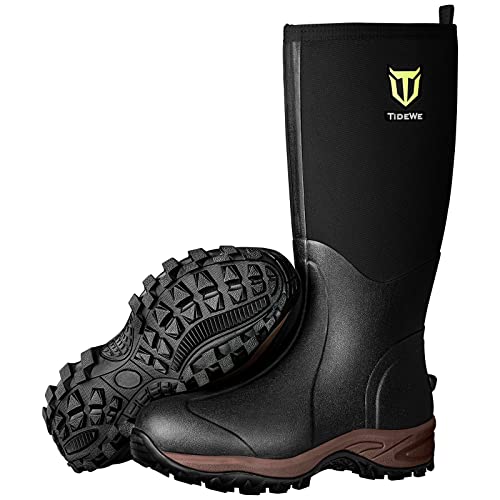
TIDEWE Rubber Work Boots for Men and Women, Rain Boots, Black,M7/W8 | 6mm Neoprene Hunting Boots for Arctic Outdoor Use, Heat-Retaining Insulation Winter Boots with Reinforced Toe
Check price on Amazon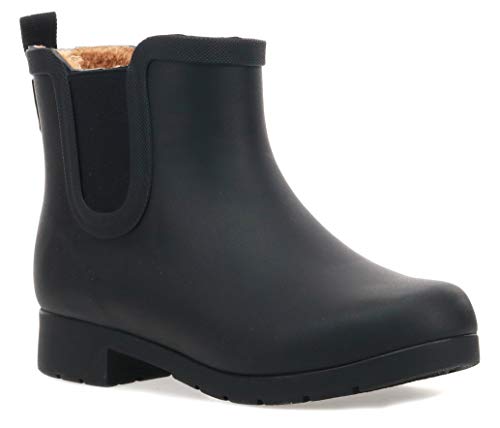
Chooka Women's Waterproof Plush Chelsea Bootie Chelsea Boot, Delridge Black, 8 M
Check price on Amazon
Dunlop Chesapeake Rubber Boots for Men & Women – PVC - Waterproof - Lightweight Garden, Fishing & Rain Boots with Soft Toe and Wide Calf – Black – Size 3–15
Check price on AmazonFrequently Asked Questions About Water Boots
Are water boots and rain boots the same?
Rain boots are a type of water boot, but the term "water boots" encompasses a broader range of footwear including wading boots, neoprene boots, and waterproof leather boots. Rain boots typically refer to casual rubber boots for everyday rain protection.
Can I wear water boots in winter?
Yes, but you should choose insulated options. Neoprene water boots or rubber boots with thermal linings are ideal for cold weather. For snowy conditions, consider dedicated waterproof snowboots that offer both insulation and waterproofing.
How do I clean my water boots?
Rubber and neoprene boots can be rinsed with water and mild soap, then air-dried. Leather water boots require more care—use a leather boot cleaner and conditioner to remove dirt and maintain water resistance. Never machine wash or dry water boots.
What's the difference between waterproof and water-resistant boots?
Waterproof boots are completely sealed and prevent water from entering, even during prolonged exposure. Water-resistant boots can repel light rain and splashes but will eventually soak through in heavy or prolonged wet conditions.
Are expensive water boots worth the investment?
Higher-priced water boots often use better materials, superior construction, and offer greater comfort and durability. If you'll be using them regularly for work or outdoor activities, investing in a quality pair is usually worth it. For occasional use, mid-range options are perfectly adequate.
Final Thoughts
Choosing the right water boots is about matching your specific needs—whether you're braving a rainy commute, wading into a river for fly fishing, or working long hours in wet conditions. By understanding the different types, key features, and proper maintenance, you can invest in a pair that keeps your feet dry and comfortable for years. For those who need both style and function, exploring options like fashionable waterproof walking shoes can bridge the gap between performance and aesthetics. And if you're looking for lightweight options for travel or everyday wear, lightweight waterproof walking shoes for men offer excellent portability without sacrificing protection.
Remember, the best water boots are the ones that fit well, match your activity, and are properly maintained. Take the time to research and choose wisely—your feet will thank you.