
Wading Boots for Stockingfoot Waders
Your complete guide to choosing the perfect wading boots for stockingfoot waders. Learn about fit, sole types, materials, and the best options for river, stream, and saltwater fly fishing.
Explore Top PicksWhy Wading Boots Matter for Stockingfoot Waders: Stockingfoot waders are designed with a neoprene or breathable sock at the foot, which means they require a separate wading boot for protection, traction, and durability. The right pair of wading boots can make the difference between a comfortable day on the water and a miserable one. This guide will help you understand exactly what to look for so you can buy with confidence.
Why Stockingfoot Waders Need Dedicated Boots
Stockingfoot waders are the preferred choice for many fly fishermen because they offer a superior fit, better breathability, and improved mobility compared to bootfoot waders. However, the neoprene or breathable sock that covers your foot is not designed to be walked on directly. It needs protection from rocks, gravel, and debris. That's where wading boots come in.
A good pair of wading boots for stockingfoot waders will provide:
- Protection: A sturdy sole and toe cap shield your feet from sharp rocks and uneven terrain.
- Traction: The right sole type (felt, rubber, or studded) keeps you stable on slippery riverbeds.
- Support: Ankle support and a secure fit prevent fatigue and injury during long wading sessions.
- Durability: Quality materials ensure your boots last for many seasons of fishing.
Types of Wading Boots for Stockingfoot Waders
When shopping for wading boots, you'll encounter several sole types and designs. Each has its own advantages and is suited to different fishing environments. Understanding these differences is key to making the right choice.
Felt Sole Boots
Felt soles have been a traditional favorite among fly fishermen for decades. They offer excellent grip on slippery, moss-covered rocks found in many rivers and streams. However, felt soles can transport invasive species between waterways, and some states have banned them. They also wear out faster than rubber soles.
Rubber Sole Boots
Rubber soles are the modern alternative to felt. They are more durable, easier to clean, and legal in all states. While they may not offer the same level of grip on slick rocks out of the box, many anglers add studs or use them in combination with wading staffs for added stability. Rubber soles are also better for hiking to and from the water.
Studded Boots
Studded boots feature metal studs embedded in the sole, providing maximum traction on slippery surfaces. They are available in both felt and rubber versions. Studs can be aggressive on certain surfaces and may scratch rocks, but they are invaluable for anglers who fish in fast, rocky rivers. Some venues prohibit studded boots, so always check local regulations.
Hybrid Boots
Hybrid boots combine rubber and felt or feature removable studs, offering versatility for different conditions. They are a good choice for anglers who fish in varied environments and want one pair of boots that can handle multiple situations. However, they may not excel in any single area as much as dedicated designs.
How to Get the Right Fit for Stockingfoot Waders
Fit is critical when choosing wading boots for stockingfoot waders. Unlike regular boots, you need to account for the thickness of the neoprene or breathable sock. Here are the key steps to getting it right:
| Consideration | Recommendation |
|---|---|
| Size Up | Order wading boots one to one-and-a-half sizes larger than your regular shoe size to accommodate the stockingfoot sock and any extra layers. |
| Try Them On | If possible, try on boots with your waders. Your toes should touch the front without being cramped, and your heel should not lift when you walk. |
| Width Matters | If you have wide feet, look for boots with a wider toe box. Some brands offer wide sizes specifically for this purpose. |
| Lacing System | A secure lacing system that allows you to adjust the fit around your ankle and instep is essential for support and preventing debris from entering. |
| Break-In Period | Most wading boots require a short break-in period. Wear them around the house or on short walks before your first fishing trip. |
For more detailed information on getting the perfect fit, you might find our guide on comfortable waterproof walking boots helpful, as many of the principles overlap. If you have specific concerns about wide feet, our article on comfortable work boots for wide feet offers additional insights.
Materials and Construction: What to Look For
The materials used in wading boots directly impact their durability, weight, and performance. Here's what you need to know:
Upper Materials
Look for synthetic leather, ballistic nylon, or abrasion-resistant mesh. These materials are lightweight, dry quickly, and resist wear from rocks and brush. Full-grain leather is durable but heavier and slower to dry.
Sole Construction
The sole should be securely attached, preferably stitched and glued. Replaceable soles are a bonus, allowing you to switch between felt and rubber depending on conditions and regulations.
Toe and Heel Protection
Reinforced rubber toe caps and heel counters protect against impact and extend the life of the boot. This is especially important if you fish in rocky terrain.
Proper care and maintenance will significantly extend the life of your wading boots. After each trip, rinse them thoroughly with fresh water to remove dirt, salt, and potential invasive species. Allow them to dry completely away from direct sunlight. For leather components, consider using a leather boot cleaner and conditioner to keep the material supple and prevent cracking. If your boots have laces, inspect them regularly and replace them when they show signs of wear.
Our Top Picks for Wading Boots for Stockingfoot Waders
Based on extensive research and angler feedback, here are some of the best wading boots available for stockingfoot waders. These picks cover a range of budgets and fishing styles.
Best Overall: Simms G3 Guide Boot
The Simms G3 Guide Boot is a top choice for serious anglers. It features a durable synthetic upper, a comfortable fit, and excellent traction with rubber soles. It's compatible with studs for added grip. Price: $250–$300.
Best Value: Orvis Clearwater Wading Boot
The Orvis Clearwater offers great performance at a more accessible price point. It has a sturdy construction, good ankle support, and a rubber sole that can be upgraded with studs. Price: $130–$160.
Best for Slippery Rivers: Patagonia Foot Tractor
If you frequently fish in slippery, moss-covered rivers, the Patagonia Foot Tractor with its felt sole and aluminum bars is an excellent choice. It provides exceptional grip but is heavier and more expensive. Price: $300–$350.
Best Lightweight: Korkers Chrome Lite
The Korkers Chrome Lite is a versatile, lightweight boot with a unique interchangeable sole system. You can swap between felt, rubber, and studded soles in seconds. It's ideal for traveling anglers. Price: $180–$220.
Recommended Wading Boots for Stockingfoot Waders
⚠️ AFFILIATE DISCLOSURE: This website contains affiliate links. As an affiliate Associate, we earn from qualifying purchases. If you make a purchase through these links, we may receive a small commission at no additional cost to you. Read our full affiliate policy.

Foxelli Wading Boots – Lightweight Fly Fishing Boots for Men, Rubber Sole Wading Shoes
Check price on Amazon
FROGG TOGGS Men's Hellbender Waterproof Fishing Wading Boot for Fishing in Felt or Cleated, Cleated, 12
Check price on Amazon
FROGG TOGGS Men's Hellbender Waterproof Fishing Wading Boot for Fishing in Felt or Cleated, Cleated, 9
Check price on Amazon
8 Fans Wading Boots for Men&Women Anti-Slip Rubber Sole with Rotating buckle Lacing System for Fishing (Black,W7)
Check price on Amazon
Foxelli Wading Boots – Lightweight Fly Fishing Boots for Men, Rubber Sole Wading Shoes
Check price on Amazon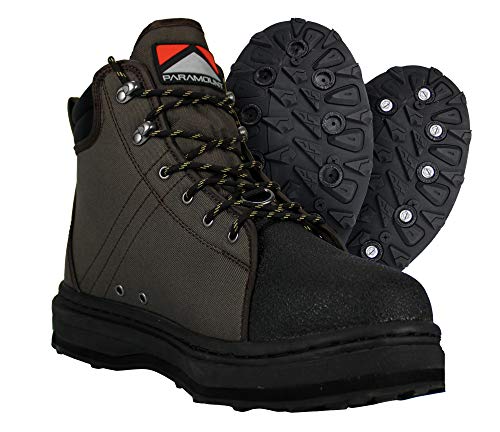
Paramount Outdoors Stonefly Cleated Sole Wading Boot, Rubber Bottom Wading Shoe (12)
Check price on Amazon
FROGG TOGGS Men's Hellbender Waterproof Fishing Wading Boot for Fishing in Felt or Cleated, Felt, 11
Check price on Amazon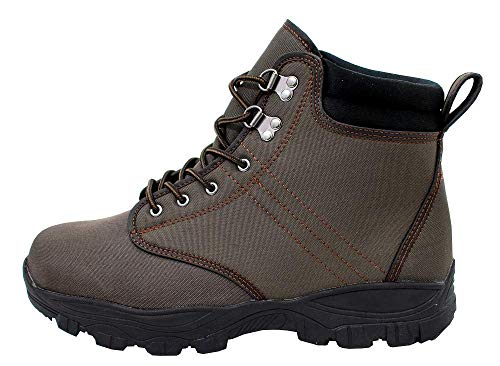
FROGG TOGGS Men's Rana Elite Waterproof Wading Boots for Fishing in Felt or Lugged Waders
Check price on AmazonEssential Buying Tips for Wading Boots
- Check Local Regulations: Some states and fishing areas ban felt soles or studded boots to prevent the spread of invasive species. Always verify before you buy.
- Consider Your Fishing Environment: Felt is best for mossy, slippery rivers. Rubber is more versatile and durable. Studs add grip but can be damaging to some surfaces.
- Don't Compromise on Fit: A poor fit leads to blisters, fatigue, and reduced stability. Always size up and try before you buy if possible.
- Think About Weight: Lighter boots reduce fatigue during long walks to and from the water. However, lighter boots may sacrifice some durability.
- Read Reviews: Look for feedback from other anglers who fish in similar conditions to yours. Their experiences can be invaluable.
- Budget Wisely: Wading boots range from around $100 to over $350. While it's tempting to go cheap, investing in a quality pair will pay off in comfort and longevity.
Caring for Your Wading Boots
Proper maintenance is essential to get the most out of your wading boots. After each use, follow these steps:
- Rinse thoroughly with fresh water to remove mud, salt, and debris.
- Clean the soles, especially if you're moving between different waterways, to prevent the spread of invasive species.
- Allow boots to air dry completely in a shaded, well-ventilated area. Avoid direct heat, which can damage materials.
- Inspect laces, stitching, and soles regularly for signs of wear and repair or replace as needed.
- For leather parts, apply a conditioner periodically to prevent cracking and maintain water resistance.
If you also use other types of outdoor footwear, such as waterproof snowboots or comfortable waterproof walking boots, similar care principles apply. Keeping all your footwear clean and well-maintained ensures they perform when you need them most.
Frequently Asked Questions
Can I wear regular hiking boots with stockingfoot waders?
While it's possible, it's not recommended. Regular hiking boots are not designed for the unique demands of wading. They may not drain water properly, offer insufficient grip on slippery riverbeds, and can be damaged by prolonged exposure to water. Dedicated wading boots are the better choice.
How do I know if my wading boots are too small?
If your toes are cramped, your heel lifts when you walk, or you feel pressure points, your boots are likely too small. Remember, you need extra room for the stockingfoot sock. Always size up.
Are felt soles better than rubber soles?
It depends on your fishing environment. Felt soles offer superior grip on mossy, slippery rocks but are banned in some areas and wear out faster. Rubber soles are more durable, versatile, and legal everywhere, but may need studs for optimal grip on slick surfaces.
How long do wading boots last?
With proper care, a quality pair of wading boots can last 3–5 years or more. Factors like frequency of use, terrain, and maintenance all affect longevity. Regularly inspect your boots for wear and replace them when they no longer provide adequate support or traction.
Ready to Hit the Water?
Now that you have all the information you need, it's time to choose the perfect wading boots for your stockingfoot waders. Check out our recommended products above and get ready for your next fishing adventure.
Shop Top Picks