
Waterproof Slip Resistant Work Shoes: The Complete Guide
Stay safe, dry, and comfortable on the job. Learn how to choose the best waterproof slip resistant work shoes for your industry, environment, and foot type.
Start Your ResearchBootsPedia Insight: In workplaces where spills, slick surfaces, and wet conditions are common, the right footwear is not just a comfort issue—it is a safety requirement. This guide breaks down everything you need to know before you buy.
Why Waterproof and Slip Resistance Matter
Work environments such as kitchens, hospitals, warehouses, construction sites, and outdoor maintenance crews expose workers to two constant hazards: moisture and slippery surfaces. Ordinary shoes fail quickly in these conditions, leading to soaked feet, reduced traction, and a higher risk of falls. Waterproof slip resistant work shoes are engineered specifically to address both problems at once.
Waterproofing keeps water, oil, and chemicals from penetrating the upper, while slip-resistant outsoles are designed with specialized rubber compounds and tread patterns that grip wet and greasy floors. Together, these features reduce fatigue, prevent injuries, and keep you productive throughout long shifts. If you also need ankle support, you may want to compare these with men's lightweight waterproof work boots that offer added coverage.
Key Features to Look For
1. Waterproof Construction
True waterproofing comes from either a sealed membrane (like Gore-Tex or a proprietary equivalent) or a fully molded, non-porous upper such as rubber or polyurethane. Look for shoes labeled "waterproof" rather than "water-resistant"—the latter only repels light moisture and will eventually soak through. For walking-intensive roles, breathable waterproof designs are preferable because they allow sweat vapor to escape while blocking liquid water. You can explore similar technology in waterproof breathable walking shoes if your work involves a lot of movement.
2. Slip-Resistant Outsole
The outsole is where slip resistance lives. The best options use soft, high-friction rubber compounds and deep, multi-directional tread patterns that channel liquids away from the contact area. Many manufacturers test their outsoles against industry standards such as ASTM F2913 or SATRA slip resistance ratings. If you work on oily or greasy floors, look specifically for oil-resistant and slip-resistant ratings. Shoes designed for work boots for walking on concrete often share similar outsole technology and can be a good reference point.
3. Comfort and Support
Safety features mean nothing if your feet ache after two hours. Prioritize shoes with cushioned midsoles, removable insoles, and adequate arch support. If you have wide feet, look for brands that offer wide sizing or specifically designed comfortable work boots for wide feet. Adding aftermarket insoles can further improve pressure distribution and reduce fatigue on hard surfaces.
4. Safety Toe Options
Depending on your job, you may need a steel toe, composite toe, or soft toe. Steel toe caps offer maximum protection but add weight and can feel cold in winter. Composite toes are lighter and non-metallic, making them ideal for electrical environments. If you only need moderate protection, consider adding steel toe caps to a comfortable pair of shoes, though dedicated safety footwear is always the better long-term solution.
💧 Waterproof Membrane
Blocks liquid water while allowing internal moisture vapor to escape, keeping feet dry from both outside and inside.
🛡️ Slip-Resistant Rubber
High-friction compounds and deep tread patterns grip wet, oily, and greasy surfaces to prevent falls.
🦶 Cushioned Support
Shock-absorbing midsoles and arch support reduce strain during long shifts on hard floors.
⚙️ Durable Construction
Reinforced stitching, abrasion-resistant uppers, and quality outsoles extend the life of the shoe.
Waterproof vs. Water-Resistant vs. Non-Waterproof
Understanding the difference between these three categories will save you from buying the wrong pair. Here is a quick comparison:
| Feature | Waterproof | Water-Resistant | Non-Waterproof |
|---|---|---|---|
| Protection Level | Complete—no water enters | Light rain and splashes only | None |
| Breathability | Varies; membrane models are breathable | Usually high | Highest |
| Best For | Wet, oily, or chemical environments | Light outdoor work, commuting | Dry indoor workplaces |
| Price Range | $80–$250 | $50–$150 | $30–$100 |
| Maintenance | Regular cleaning and re-treatment | Occasional spray treatment | Minimal |
Who Needs Waterproof Slip Resistant Work Shoes?
These shoes are essential for a wide range of professions and activities. If your work or daily routine involves any of the following, you will benefit from a dedicated pair:
- Food service and hospitality: Kitchens are notorious for wet, greasy floors. Slip resistance is non-negotiable.
- Healthcare and veterinary: Bodily fluids, frequent cleaning, and long hours on hard floors demand waterproof, supportive footwear.
- Warehousing and logistics: Spilled liquids, concrete floors, and heavy foot traffic require durable, grippy shoes.
- Construction and trades: Outdoor sites expose you to mud, rain, and uneven terrain. Waterproofing keeps feet dry; slip resistance prevents falls.
- Outdoor maintenance and landscaping: Wet grass, mud, and chemicals are common hazards.
- Factory and manufacturing: Oil, coolant, and water on factory floors create constant slip risks.
Even if your job does not strictly require safety footwear, anyone who spends long hours on their feet in wet conditions will appreciate the difference a quality pair makes. For lighter-duty indoor roles, you might also consider cute non-slip work shoes for women that combine safety with style.
Materials That Make the Difference
Upper Materials
Full-grain leather is the gold standard for durability and water resistance, especially when treated. Synthetic mesh with a waterproof membrane offers lighter weight and better breathability. Rubber and PVC are fully waterproof but less breathable—ideal for extreme wet conditions but not for all-day wear in warm environments. For a specialized option, you can look at men's waterproof slip-on work boots that use elastic panels for easy on-off while maintaining a waterproof seal.
Outsole Compounds
Nitrile rubber, natural rubber, and specialized thermoplastic elastomers (TPE) are common choices for slip-resistant outsoles. Nitrile excels in oily environments, while natural rubber performs best on wet surfaces. Some premium brands use proprietary compounds that are tested to exceed industry standards.
Lining and Insulation
Moisture-wicking linings keep sweat away from your skin. In cold environments, insulated linings add warmth without compromising waterproofing. If you work in winter conditions, you may want to compare waterproof snowboots or warm shoes for women for additional insulation.
How to Choose the Right Pair
Step 1: Identify Your Hazard Profile
Are you dealing primarily with water, oil, chemicals, or a combination? This determines the outsole compound and upper material you need. For oily environments, nitrile rubber outsoles are best. For water-only exposure, natural rubber or a waterproof membrane works well.
Step 2: Determine Your Safety Requirements
Check your workplace regulations. Do you need a safety toe? Electrical hazard protection? Metatarsal guards? Puncture resistance? Knowing the required safety ratings will narrow your options quickly.
Step 3: Prioritize Fit and Comfort
Try shoes on at the end of the day when your feet are slightly swollen. Ensure there is enough room in the toe box, and that your heel does not slip. If you have specific foot conditions such as plantar fasciitis or diabetes, look for shoes with removable insoles and extra cushioning. Adding insoles can customize the fit further.
Step 4: Consider the Work Environment
Indoor kitchen workers may prefer low-cut shoes for agility, while outdoor construction workers may need mid-cut or high-cut boots for ankle support. If your work involves both wet and cold conditions, look for insulated waterproof options. You can also explore comfortable waterproof walking shoes for roles that involve a lot of walking on varied terrain.
Step 5: Set a Realistic Budget
Quality waterproof slip resistant work shoes typically range from $80 to $250. While it is tempting to save money upfront, cheap shoes often compromise on slip resistance or waterproofing, leading to replacements and potential injuries. Investing in a reputable brand pays off in comfort, safety, and longevity. If you need something more rugged, men's lightweight waterproof work boots offer additional protection at a slightly higher price point.
Caring for Your Waterproof Slip Resistant Shoes
Even the best shoes need maintenance to perform at their peak. Here are essential care tips:
- Clean regularly: Remove dirt, oil, and chemicals from the upper and outsole after each use. Use a mild soap and water solution for rubber and synthetic uppers, and a dedicated leather boot cleaner and conditioner for leather.
- Re-waterproof: Waterproofing treatments wear off over time. Apply a spray or wax treatment every few months, especially if you notice water starting to soak in. For leather, regular oiling boots helps maintain water resistance and keeps the leather supple.
- Check the outsole: Inspect the tread for wear. If the pattern is worn smooth, slip resistance is compromised, and it may be time to replace the shoes.
- Dry properly: Never dry wet shoes near a direct heat source, as this can crack leather and warp synthetic materials. Instead, stuff them with newspaper and let them air dry at room temperature.
- Rotate pairs: If possible, alternate between two pairs to give each time to dry and recover. This extends the life of both.
Top Rated Waterproof Slip Resistant Work Shoes
⚠️ AFFILIATE DISCLOSURE: This website contains affiliate links. As an affiliate Associate, we earn from qualifying purchases. If you make a purchase through these links, we may receive a small commission at no additional cost to you. Read our full affiliate policy.

SHULOOK Men's Non Slip Work Shoes Kitchen Restaurant Chef Sneakers Black | Waterproof Slip Resistant Food Service Slip On Walking Shoes Lightweight Comfortable Nursing Working Dress Footwear Size 10.5
Check price on Amazon
LARNMERN Men Chef Shoes Non Slip Work Waterproof Slip-on,Black,9.5 | Anti Slip Water Resistant Kitchen Shoes Restaurante Food Service Water Proof Walk Sneaker Zapatos Trabajo Antideslizantes
Check price on Amazon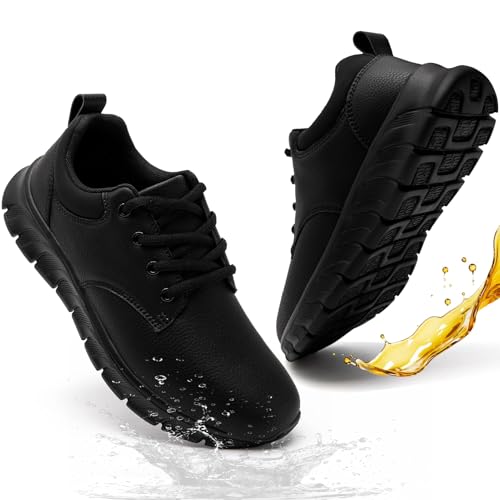
Mens Non Slip Work Shoes Waterproof Oil Resistant Kitchen Shoes Black 11 | PU Leather, Lightweight, Comfotable, Lace-Up, Walking, Chef, Restaurant, Food Service, Zapatos de Trabajo para Hombres
Check price on Amazon
SHULOOK Non Slip Work Boots for Men Slip Resistant Shoes Restaurant Kitchen | Waterproof Mid Top Food Service Chef Ankle Boots Working Casual Leather Comfortable Outdoor Walking Booties Black Size 9.5
Check price on Amazon
KKB Oil-Safe Grip Men's Non Slip Work Shoes Slip Resistant Waterproof Slip On Sneakers for Kitchen Restaurant Chefs Nurses with Arch Support Comfortable Zapatos Antideslizantes para Hombres Black Men 10
Check price on Amazon
Waterproof Non-Slip Work Shoes for Men & Women, Leather Slip Resistant (Oil & Water) Unisex Sneakers for Food Service, Black High Top Restaurant Server Boots, Comfortable Casual Stain Resistant Chef Kitchen Shoes
Check price on Amazon
ZCVQX Work Shoes for Men Breathable Chef Shoes Black Sneakers Restaurant | Comfortable,Lightweight,Easy On & Off,Water-Repellent,Shock Absorbing,Food Service,Kitchen,All-Black
Check price on Amazon
Skechers Men's Nampa Food Service Shoe, Black, 9.5
Check price on AmazonFinal Thoughts
Choosing the right waterproof slip resistant work shoes is an investment in your safety, comfort, and productivity. By understanding the key features, materials, and fit considerations outlined in this guide, you can make an informed decision that meets your specific needs. Whether you work in a busy kitchen, a hospital, a warehouse, or an outdoor construction site, the right pair will keep you sure-footed and dry through every shift.
Remember to prioritize slip resistance and waterproofing above all else, then refine your choice based on comfort, safety requirements, and budget. With proper care, a quality pair of work shoes will serve you reliably for years. For more specialized needs, explore our related guides on comfortable waterproof walking boots, lightweight waterproof walking shoes, and comfortable waterproof Chelsea boots to find the perfect match for your lifestyle.