


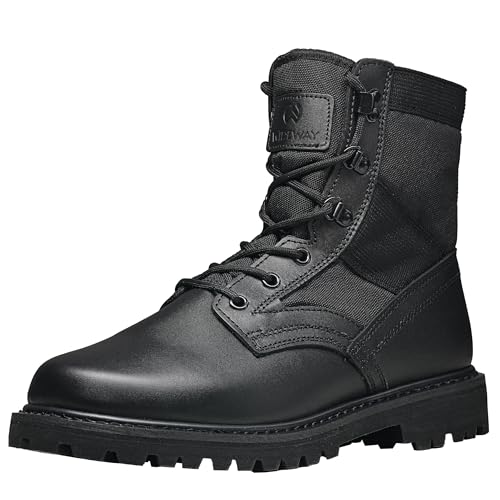
What Are Jungle Boots and Why Do They Matter?
Jungle boots are a specialized type of military footwear designed for use in tropical and subtropical environments. Unlike standard combat boots, they are engineered to handle extreme moisture, high temperatures, and unpredictable terrain. The original jungle boot was developed during World War II and the Vietnam War, where soldiers needed footwear that could drain water quickly, dry fast, and prevent fungal infections like trench foot.
Today, jungle boots have evolved into highly technical pieces of gear used by military personnel, tactical operators, hikers, and outdoor adventurers. Their defining features include drainage holes, breathable canvas panels, and aggressive outsoles that provide traction on mud, rocks, and slippery surfaces. If you're looking for footwear that can handle the toughest conditions, jungle boots are in a class of their own.
Key Features That Define a Great Jungle Boot
Not all jungle boots are created equal. When you're researching your next pair, pay close attention to these critical features:
- Drainage System: Most jungle boots feature brass or stainless steel drainage holes in the instep and heel. These allow water to escape quickly when you cross streams or wade through flooded areas. Without proper drainage, water gets trapped inside, leading to blisters, fungal infections, and discomfort.
- Breathable Materials: Look for boots that combine full-grain leather with breathable nylon or canvas panels. This construction allows air to circulate while maintaining durability. A boot that doesn't breathe will become a sauna for your feet in tropical climates.
- Aggressive Outsoles: The sole of a jungle boot must provide superior traction on wet, muddy, and uneven surfaces. Vibram or similar high-quality rubber outsoles with deep lugs are the gold standard. A good Goodyear welt or cemented construction also adds to the boot's durability and repairability.
- Quick-Drying Lining: Many jungle boots use moisture-wicking linings that pull sweat away from your feet and dry rapidly. This is crucial for preventing odor and maintaining foot health during extended missions or treks.
- Protective Toe and Heel: Reinforced toe caps and heel counters protect your feet from rocks, roots, and impact. Some tactical jungle boots also offer composite toe or steel toe options for added safety.
Jungle Boots vs. Standard Combat Boots: What's the Difference?
While both jungle boots and standard combat boots are designed for military use, they serve different purposes. Standard combat boots prioritize ankle support, protection, and durability in temperate climates. They often feature full leather construction, which is water-resistant but heavy and slow to dry.
Jungle boots, on the other hand, prioritize breathability, drainage, and lightweight performance. They sacrifice some water resistance for the ability to dry quickly and allow water to pass through. This makes them ideal for wet, humid environments but less suitable for cold, snowy conditions. If you're looking for a boot for winter or cold weather, a men's winter snow boot or an outdoor boot with insulation would be a better choice.
Who Should Wear Jungle Boots?
Jungle boots are not just for soldiers. Here are a few groups who can benefit from their unique design:
- Military and Tactical Personnel: If you serve in tropical or subtropical regions, jungle boots are essential. They're also popular among airsoft and paintball enthusiasts who want authentic, functional gear. For more military-style options, check out our guide to army boots for men.
- Hikers and Backpackers: If you hike in wet, muddy, or humid environments, jungle boots offer superior drainage and breathability compared to traditional hiking boots. They're particularly useful for jungle treks, rainforest expeditions, and summer hiking in humid climates.
- Outdoor Workers: If you work in landscaping, forestry, or any job that exposes you to wet conditions, jungle boots can keep your feet dry and comfortable. Pair them with waterproof shoes for trekking for maximum performance.
- Preppers and Survivalists: For those who prioritize readiness, jungle boots are a versatile addition to any bug-out bag. They're tough, reliable, and designed to perform when it matters most.
How to Choose the Perfect Jungle Boots
When shopping for jungle boots, consider the following factors to ensure you get the right pair for your needs:
- Fit and Sizing: Jungle boots should fit snugly but allow room for your toes to move. Remember that your feet may swell in hot, humid conditions, so consider going half a size up. Always try on boots with the socks you plan to wear. For more tips, see our fit and measurement guide.
- Material Quality: Look for full-grain leather and high-denier nylon. Cheaper materials may save you money upfront but will wear out quickly in harsh conditions. A well-made jungle boot from a reputable brand is a long-term investment.
- Break-In Period: Most jungle boots require a break-in period. Wear them around the house or on short walks before heading out on a major expedition. Our break-in guide can help you through the process.
- Price: Expect to pay between $80 and $250 for a quality pair of jungle boots. Budget options exist, but they often compromise on materials and construction. Premium tactical brands can cost $250+. For a broader overview, see our buying guides.
- Maintenance: Jungle boots need regular care to stay in top shape. Clean them after every use, especially if they've been exposed to mud or saltwater. Use a boot polish or leather conditioner to keep the leather supple. For more detailed care instructions, visit our care and maintenance hub.
Care and Maintenance for Jungle Boots
Proper care will extend the life of your jungle boots and keep them performing at their best. Here are some essential tips:
- Cleaning: Remove mud and dirt with a soft brush and lukewarm water. Avoid harsh detergents that can damage leather and fabrics. For leather cleaning, use a dedicated leather cleaner. For more details, see our leather cleaning guide.
- Drying: Never dry your jungle boots near a direct heat source, as this can crack the leather and warp the sole. Instead, stuff them with newspaper and let them air dry in a well-ventilated area. You can also use a boot dryer on a low setting.
- Conditioning: Apply a leather conditioner or boot polish to the leather portions regularly to prevent cracking and maintain water resistance. Be careful not to clog the drainage holes.
- Waterproofing: While jungle boots are designed to drain water, you can still apply a waterproofing spray to the leather sections to enhance water resistance. However, avoid applying waterproofing to the canvas or nylon panels, as this can reduce breathability. See our waterproofing guide for more information.
- Storage: Store your jungle boots in a cool, dry place. Avoid leaving them in direct sunlight or in damp areas, which can promote mold and mildew growth. A boot storage cover can help protect them from dust and moisture.
Common Questions About Jungle Boots
Are jungle boots waterproof? No, jungle boots are not fully waterproof by design. Their drainage holes and breathable materials allow water to enter and exit quickly. This is intentional—it prevents water from pooling inside the boot and causing discomfort. If you need waterproof footwear, look for waterproof shoes for trekking or black rain boots.
Can I wear jungle boots for everyday use? Yes, but they are primarily designed for rugged environments. For casual or urban wear, you might prefer a casual boot or a fashion boot. However, if you appreciate the tactical aesthetic, jungle boots can work with certain streetwear styles. Check out our style ideas for inspiration.
How long do jungle boots last? With proper care, a high-quality pair of jungle boots can last 5–10 years or more, depending on usage. The soles can be replaced by a cobbler, and the leather can be conditioned to prevent cracking. Investing in a reputable brand pays off in the long run.
What socks should I wear with jungle boots? Moisture-wicking socks are essential. Look for socks made from merino wool or synthetic blends that pull sweat away from your feet. Avoid cotton socks, which hold moisture and can cause blisters. Our boot socks guide has more recommendations.
Final Thoughts: Are Jungle Boots Right for You?
Jungle boots are a specialized piece of footwear that excels in wet, humid, and rugged environments. If you're in the military, a tactical professional, or an outdoor enthusiast who spends time in tropical or subtropical climates, they are an invaluable investment. Their unique combination of drainage, breathability, and durability makes them superior to standard combat boots in these conditions.
When choosing your pair, prioritize fit, material quality, and construction. Don't skimp on price—a good pair of jungle boots will serve you well for years. And remember, proper care and maintenance are key to maximizing their lifespan. With the right boots and the right care, you'll be ready to tackle any terrain with confidence.
Ready to explore more? Check out our boot types overview or dive into our buying guides for more expert advice.