
Hip Boots: The Ultimate Guide to Waterproof Comfort & Performance
Whether you're wading through a stream, working on a farm, or braving a muddy trail, hip boots are your first line of defense against the elements. This comprehensive guide will walk you through everything you need to know to choose the perfect pair for your needs.
Explore Top PicksWhat Are Hip Boots? Hip boots, also known as thigh-high waders or knee-high boots, are a type of waterproof footwear that extends up to the hip or thigh. They are designed to protect your legs and feet from water, mud, and debris, making them essential for activities like fishing, hunting, farming, and even certain types of industrial work.
What Exactly Are Hip Boots?
Hip boots are a specialized type of waterproof footwear that extends from the foot up to the hip or upper thigh. Unlike standard hiking boots or work boots, their primary purpose is to provide superior protection against water, mud, and other environmental hazards. They are a staple for anyone who works or recreates in wet environments.
The design of a hip boot is a hybrid between a boot and a wader. They typically feature a waterproof upper section, often made from rubber or neoprene, that is attached to a sturdy rubber boot sole. This construction allows you to wade into water up to the height of the boot without getting your feet or legs wet. While they share some similarities with knee-high boots, hip boots offer greater coverage for deeper water.
Originally designed for fishing and hunting, hip boots have evolved to serve a wide range of purposes. Today, you'll find them used in agriculture, construction, emergency services, and even as a practical choice for navigating flooded urban areas. Their versatility and practicality make them an indispensable piece of gear for many outdoor enthusiasts and professionals.
Key Features to Look For in Hip Boots
When you're in the market for a new pair of hip boots, understanding the key features can mean the difference between a dry, comfortable experience and a miserable, wet one. Here are the most important factors to consider:
- Waterproof Material: The most crucial feature. Look for materials like rubber, neoprene, or PVC. Rubber is durable and fully waterproof, while neoprene offers insulation and flexibility.
- Height & Coverage: Hip boots typically extend to the hip, but some may be shorter (mid-thigh) or taller (chest waders). Choose based on the maximum water depth you expect to encounter.
- Sole Type: The outsole is critical for traction. Look for deep, aggressive lugs for muddy or slippery terrain. Felt soles are popular for fly fishing on slick riverbeds.
- Insulation: If you'll be in cold water, consider insulated or neoprene hip boots. They provide warmth without the need for thick socks. For warmer climates, uninsulated rubber boots are a better choice.
- Fit & Comfort: A proper fit is essential. The boot should be snug around your foot and calf but not constricting. Adjustable straps at the top can help customize the fit and prevent water from entering.
- Durability & Construction: Look for reinforced toe caps and heel counters, and seamless construction where possible. Brands like Goodyear welt don't typically apply here, but quality vulcanized rubber construction is a good indicator of durability.
Materials: Rubber vs. Neoprene vs. PVC
The material of your hip boots significantly impacts their performance, comfort, and price. Here's a breakdown of the most common options:
Rubber Hip Boots
Traditional rubber hip boots are the most common and often the most affordable. They are completely waterproof, highly durable, and easy to clean. However, they can be heavy and offer little insulation. They are an excellent choice for general farm work, fishing in warmer months, and any activity where durability is key. For a more flexible option, consider neoprene boots.
Neoprene Hip Boots
Neoprene is a synthetic rubber that is flexible, insulating, and waterproof. Hip boots made from neoprene are lighter than traditional rubber and provide excellent warmth, making them ideal for cold water activities like winter fishing or hunting. They are typically more expensive but offer superior comfort and mobility. If you need boots for cold, wet conditions, waterproof trekking shoes might be a complementary alternative.
PVC Hip Boots
PVC (Polyvinyl Chloride) is a lightweight, inexpensive plastic material. PVC hip boots are very lightweight and easy to wear, but they are generally less durable than rubber or neoprene and can become stiff in cold weather. They are a good budget-friendly option for occasional use or for children.
Finding the Perfect Fit
A proper fit is critical for comfort, safety, and performance. A boot that is too tight will restrict circulation and cause blisters, while one that is too loose will slip and chafe, and may not provide adequate protection.
When trying on hip boots, wear the same socks you plan to wear with them. Your toes should have about a half-inch of room at the front of the boot. Your heel should not lift excessively when you walk. The boot should feel snug around your calf but not tight. Many hip boots come with adjustable straps at the top to fine-tune the fit.
If you have wide feet, look for brands that offer wide sizing, or consider boots with a more generous cut. Remember that a boot remover can be a helpful accessory for getting tight boots off without damaging them. Proper fit is the foundation of a good experience, just as important as finding the right fit for ladies' trekking boots.
Top Recommended Hip Boots for Every Need
⚠️ AFFILIATE DISCLOSURE: This website contains affiliate links. As an affiliate Associate, we earn from qualifying purchases. If you make a purchase through these links, we may receive a small commission at no additional cost to you. Read our full affiliate policy.

FROGG TOGGS Rana II Waterproof PVC Fishing Bootfoot Hip Wader for Fishing, Brown Cleated, 11
Check price on Amazon
TIDEWE Fishing Hip Waders, Lightweight Hip Boots for Men Women BN M11 | Waterproof 420D 2-Ply Nylon/PVC, Hunting Bootfoot Waders, Boot Hanger Included BN M11
Check price on Amazon
Foxelli Hip Waders – Waterproof Camo Wading Hip Boots for Men & Women Lightweight for Fishing & Hunting
Check price on Amazon
LaCrosse Men's Grange Hip Boot 32" Rubber Boot, OD Green - 10 | Waterproof Rubber, Slip-Resistant Design, Calf Harness, Eva Footbed, Chevron-Cleated Outsole for Wet Conditions
Check price on Amazon
TIDEWE Fishing Hip Waders, Lightweight Hip Boots for Men Women BN M9/W11 | Waterproof 420D 2-Ply Nylon/PVC, Hunting Bootfoot Waders, Boot Hanger Included BN M9/W11
Check price on Amazon
FROGG TOGGS Rana II Waterproof PVC Fishing Bootfoot Hip Wader for Fishing, Brown Cleated, 12
Check price on Amazon
TIDEWE Fishing Hip Waders, Lightweight Hip Boots for Men Women BN M12 | Waterproof 420D 2-Ply Nylon/PVC, Hunting Bootfoot Waders, Boot Hanger Included BN M12
Check price on Amazon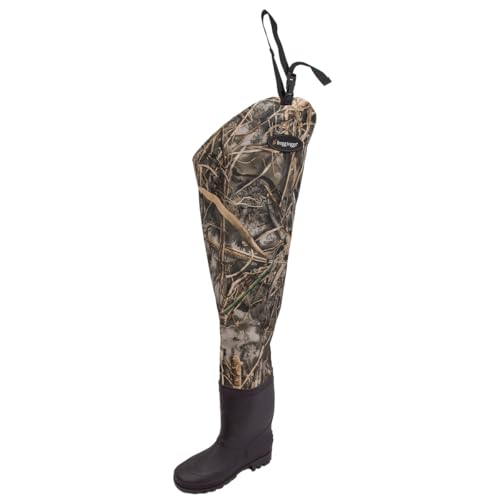
FROGG TOGGS Rana II Waterproof PVC Fishing Bootfoot Hip Wader for Fishing, Realtree Max-7 Cleated, 12
Check price on AmazonCare & Maintenance Tips for Hip Boots
To ensure your hip boots last for many seasons, proper care is essential. Here are some simple tips:
- Clean After Every Use: Rinse your boots with clean water to remove mud, dirt, and debris. Use a mild soap and a soft brush for stubborn dirt. Avoid harsh chemicals or abrasive cleaners.
- Dry Properly: Air dry your boots in a cool, shaded area. Avoid direct sunlight or heat sources like radiators, as this can damage the rubber and cause cracking. Stuffing them with newspaper can help absorb moisture and maintain their shape.
- Condition Rubber: Occasionally, you can apply a rubber conditioner or a light coat of silicone spray to keep the rubber supple and prevent it from drying out. This is not necessary for neoprene, but it helps rubber boots. A good boot polish is not suitable for rubber boots.
- Store Correctly: Store your boots upright in a cool, dry place. Avoid folding or creasing them, as this can create weak points. You can use boot storage covers or a boot jack to help them keep their shape.
Frequently Asked Questions About Hip Boots
What is the difference between hip boots and waders?
Hip boots typically extend to the hip or mid-thigh, while waders can extend to the chest or even the neck. Waders are generally used for deeper water and activities like fly fishing in rivers, whereas hip boots are suitable for shallower water and tasks like farm work or stream fishing.
Can I wear hip boots for hiking?
Hip boots are not designed for long-distance hiking. They lack the ankle support and comfort features of dedicated hiking boots or outdoor boots. They are best for short walks in wet, muddy, or marshy terrain. For more rugged trails, consider durable walking boots.
How do I choose the right size for hip boots?
Measure your foot as you would for regular shoes, but also measure your calf circumference. Refer to the manufacturer's sizing chart, as hip boot sizes can vary. It's often recommended to size up if you plan to wear thick socks. If you have wide feet, look for wide-fit boots.
Are hip boots safe for working in industrial environments?
Some hip boots are designed for industrial use and may feature safety toes. For job sites, look for boots that meet safety standards, similar to safety footwear or steel boots. However, always check the specific safety ratings of the boot. For general work, durable work boots might be more appropriate.
Can I repair a puncture in my hip boots?
Yes, small punctures in rubber or neoprene hip boots can often be repaired with a specialized patch kit. Clean the area thoroughly, apply the patch according to the manufacturer's instructions, and allow it to cure. For large tears or damage to the sole, it may be best to replace the boots.
Final Thoughts: Investing in a high-quality pair of hip boots is an investment in your comfort, safety, and enjoyment of the outdoors. By understanding the different materials, features, and fits, you can confidently choose the perfect pair for your specific needs. Whether you're a seasoned angler, a hardworking farmer, or a weekend adventurer, the right hip boots will keep you dry and focused on the task at hand.