
Women's Snow Helmet: The Complete Buyer's Guide
Everything you need to know before buying a snow helmet — safety certifications, proper fit, ventilation, weight, and style. Protect your head and enjoy the mountain with confidence.
See Top PicksWhy a Proper Snow Helmet Matters: A women's snow helmet is not just an accessory — it is essential protective equipment. Whether you ski, snowboard, or simply enjoy snowy trails, the right helmet absorbs impact, keeps you warm, and integrates with your goggles for clear vision. This guide walks you through every consideration so you can choose a helmet that fits well, meets safety standards, and matches your riding style.
Why Women Need a Dedicated Snow Helmet
Many women assume a unisex helmet will work fine. In reality, women's snow helmets are designed with specific anatomical considerations. Women generally have a different head shape — often narrower with a more rounded crown — and a smaller average head circumference. A helmet designed for a woman's head profile sits lower, covers more of the occipital bone, and reduces pressure points that cause headaches during long days on the mountain.
Beyond fit, women's models often feature lighter construction, softer interior liners, and ponytail-compatible designs. If you are building a full winter gear setup, consider pairing your helmet with waterproof snowmobile boots for women and the warmest winter snow boots to stay comfortable from head to toe. For those who prefer alternative winter footwear, waterproof women's snowboots offer reliable traction and warmth.
The bottom line: a helmet engineered for a woman's head is safer, more comfortable, and more likely to be worn consistently — which is the single most important factor in protecting yourself on the slopes.
Safety Certifications Explained
Not all helmets are created equal. Before buying, verify that your chosen helmet carries at least one of the following certifications:
EN 1077
The European standard for ski and snowboard helmets. Class A covers full head protection; Class B covers the upper head only. Most recreational helmets meet EN 1077 Class B.
ASTM F2040
The North American standard for snow sports helmets. It tests impact absorption at low temperatures, which is critical for winter conditions.
MIPS Technology
Multi-Directional Impact Protection System. MIPS adds a low-friction layer that reduces rotational forces during angled impacts — a common cause of concussion.
For maximum protection, look for a helmet that carries both EN 1077 and ASTM F2040 certifications, and consider upgrading to a MIPS-equipped model. Helmets with MIPS typically cost $120–$350, while standard certified helmets start around $60. If you also ride motorcycles, the safety principles overlap — you can explore motorcycle riding shoes for related protective gear insights.
Getting the Right Fit: The Most Important Step
A helmet that does not fit properly offers little protection. Follow these steps to find your correct size:
- Measure your head circumference: Wrap a soft measuring tape around the widest part of your head, about 1 inch above your eyebrows and around the largest part of the back of your head.
- Compare to the manufacturer's size chart: Sizes vary between brands. Always use the specific brand's chart, not a generic conversion.
- Check the fit: The helmet should sit level on your head, covering your forehead down to about 1 inch above your eyebrows. It should feel snug but not painful.
- Do the shake test: With the chin strap fastened, shake your head firmly. The helmet should not shift more than a tiny amount. If it slides, it is too loose.
Many modern helmets include a dial-fit adjustment system at the back, which fine-tunes the fit. If you are also shopping for kids, kids hiking shoes follow similar fit principles — snug but comfortable. For women who enjoy other winter activities, snow boots for women and tall winter snow boots are worth exploring to complete your cold-weather kit.
Key Features to Compare
Ventilation
Adjustable vents let you regulate temperature. Open them on warm spring days, close them on frigid mornings. Look for helmets with at least 6–10 vents.
Goggle Compatibility
A helmet designed to work with goggles prevents the "gaper gap" — the exposed skin between helmet and goggles that lets cold air in. Check for a brim or visor that channels goggles.
Weight
Women's helmets typically weigh 300–500 grams. Lighter is not always better — a slightly heavier helmet often means more robust construction and better impact absorption.
Audio Ready
Many helmets include ear pads with pockets for drop-in audio systems. If you like listening to music while riding, prioritize this feature.
Liner Material
Removable, washable liners are a major convenience. Look for moisture-wicking materials like merino wool or brushed fleece for warmth without overheating.
Style & Color
From matte black to pastel pink, helmets come in a wide range of finishes. Choose a color that matches your jacket and winter snow boots on sale for a coordinated look.
For those who enjoy a variety of winter footwear, cold weather waterproof boots and spike shoes for snow provide additional traction options on icy surfaces.
Price Ranges & What to Expect
Women's snow helmets range from budget-friendly entry models to premium racing helmets with advanced safety tech. Here is a realistic breakdown of the current market:
| Category | Price Range | Key Features | Best For |
|---|---|---|---|
| Budget | $40–$80 | Basic EN 1077 / ASTM F2040 certification, fixed vents, standard liner | Occasional riders, beginners |
| Mid-Range | $80–$180 | Adjustable ventilation, dial-fit system, audio-ready ear pads, removable liner | Regular skiers and snowboarders |
| Premium | $180–$350 | MIPS or similar rotational protection, lightweight construction, premium materials, advanced venting | Enthusiasts, safety-conscious riders |
| Expert / Racing | $350+ | Full carbon or composite shell, maximum impact protection, professional-grade features | Competitive athletes, extreme terrain |
Keep in mind that helmet prices fluctuate with seasonal sales. End-of-season clearance often brings premium helmets down into the mid-range price bracket. If you are also equipping for other outdoor activities, good hiking boots for men and youth soccer cleats are similarly worth researching before you buy.
Recommended Women's Snow Helmets
⚠️ AFFILIATE DISCLOSURE: This website contains affiliate links. As an affiliate Associate, we earn from qualifying purchases. If you make a purchase through these links, we may receive a small commission at no additional cost to you. Read our full affiliate policy.
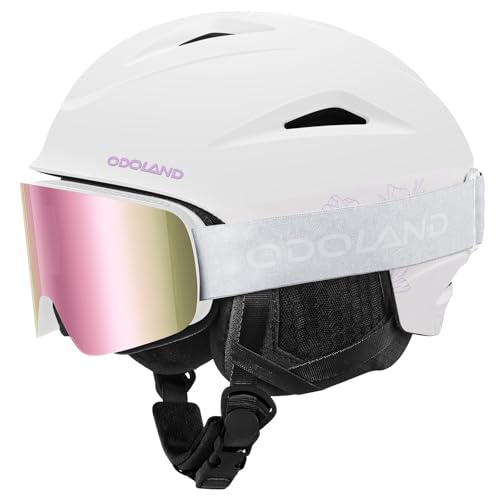
Odoland Ski Helmet, Snowboard Helmet with Ski Goggles for Adults and Youth, Audio Compatible, Shockproof, Windproof, Safety Snow Sports Helmet and Protective Glasses for Women, Elegent Lily, S
Check price on Amazon
Odoland Ski Helmet, Snowboard Helmet with Ski Goggles for Adults and Youth, Audio Compatible, Shockproof, Windproof, Safety Snow Sports Helmet and Protective Glasses for Women, Elegent Lily, M
Check price on Amazon
OutdoorMaster Kelvin Ski Helmet - Snowboard Helmet for Men, Women & Youth | Adjustable Dial Fit Snow Helmet with ASTM Certified,14 Vents for Comfortable Skiing,Removable Ear Pads Inner
Check price on Amazon
Odoland Snowboard Helmet, Ski Helmet with Ski Goggles for Adults, Durable PC Shell & EPS Foam, Safety Snow Helmets Goggles for Men Women Youth, Light Pink, M
Check price on Amazon
OutdoorMaster Kelvin Ski Helmet - Snowboard Helmet for Men, Women & Youth (White,M)
Check price on Amazon
Odoland Ski Snowboard Helmet for Adults & Youth, Snow Helmet for Men & Women, Slide Adjust Ventilation, Safety Certified, Goggles Compatible Protection for Skiing, Elegant Lily, M
Check price on Amazon
OutdoorMaster Kelvin Ski Helmet - Snowboard Helmet for Men, Women & Youth (Black,L)
Check price on Amazon
Odoland Ski Helmet, Snowboard Helmet with Ski Goggles for Adults and Youth, Audio Compatible, Shockproof, Windproof, Safety Snow Sports Helmet and Protective Glasses for Women, Light Purple, S
Check price on AmazonPre-Purchase Checklist
Before You Click "Add to Cart" — Verify These Points:
- Helmet carries EN 1077 and/or ASTM F2040 certification
- Size matches your measured head circumference per the brand's chart
- Dial-fit or adjustable retention system is included
- Ventilation can be adjusted (open/close) for temperature control
- Goggle compatibility is confirmed (no gap between helmet and goggles)
- Ear pads are removable or audio-ready if desired
- Liner is removable and washable
- Weight is appropriate for your activity (lighter for touring, standard for resort)
- Color and style match your existing winter gear
- Return policy allows exchange if the fit is not right
Frequently Asked Questions
Do I really need a women's-specific snow helmet, or is unisex fine?
Unisex helmets work for some women, but women's-specific helmets are designed for a narrower head shape and often include features like ponytail compatibility and lighter construction. If a unisex helmet fits you comfortably and securely, it is perfectly safe to use. The key is proper fit, not the label.
How often should I replace my snow helmet?
Most manufacturers recommend replacing a snow helmet every 5 years, even if it shows no visible damage. The protective foam degrades over time due to temperature changes, sweat, and UV exposure. If you take a significant impact, replace the helmet immediately — even if it looks intact.
Can I wear a beanie under my helmet?
Yes, but only a thin, low-profile beanie or balaclava. Thick beanies can compromise the fit and reduce the helmet's effectiveness. Many helmets come with insulated ear pads and liners that provide sufficient warmth without an additional layer.
What is MIPS and is it worth the extra cost?
MIPS (Multi-Directional Impact Protection System) is a low-friction layer inside the helmet that allows the head to slide slightly during an angled impact, reducing rotational forces that can cause concussions. If you ride at high speeds or on challenging terrain, MIPS is a worthwhile investment. For casual, low-speed riding, a standard certified helmet provides adequate protection.
How do I clean my snow helmet?
Remove the liner and ear pads if they are detachable, then hand-wash them in lukewarm water with mild soap. For the shell, wipe it down with a damp cloth and mild detergent. Never submerge the helmet in water or use harsh chemicals, as this can damage the foam and adhesives. Air-dry completely before reassembling.
Can I use a ski helmet for snowboarding and vice versa?
Yes. Ski and snowboard helmets meet the same safety standards (EN 1077 and ASTM F2040) and are interchangeable. The main differences are stylistic — some snowboard helmets have a slightly different shape or vent pattern — but functionally, they serve the same purpose.
Ready to Hit the Slopes Safely?
Now that you understand safety certifications, fit, and features, you are ready to choose the right women's snow helmet. Browse our recommended picks above and enjoy your winter adventures with confidence.
View Recommended HelmetsComplete Your Winter Gear
A helmet is just one part of a safe and comfortable winter setup. Depending on your activities, you may also want to explore waterproof duck boots for wet conditions, winter walking shoes for casual strolls, or waterproof snow boots for women for deep powder days. For those who ride snowmobiles, waterproof snowmobile boots for women are a natural companion to your helmet. And if you enjoy horseback riding in winter, horse riding shoes and boots for horses are worth a look.