
Snow Boots Waterproof for Women
Find the perfect blend of warmth, waterproof protection, and style. Your complete guide to choosing winter boots that keep your feet dry and comfortable all season long.
Shop Top PicksQuick Answer: What to Look For
The best waterproof snow boots for women combine a waterproof membrane (like Gore-Tex or proprietary equivalents), 200g–400g of insulation for typical winter conditions, a slip-resistant rubber outsole with multi-directional lugs, and a comfortable fit that accommodates thick socks. Expect to invest $80–$250 for quality boots that last multiple seasons. For extreme cold, look for 600g+ insulation and rated temperature specs.
Why Waterproof Snow Boots Matter
Winter weather is unpredictable. Slush, melting snow, rain, and icy puddles can ruin an otherwise perfect winter day if your feet get wet. Unlike regular winter boots, waterproof snow boots for women are engineered with specialized membranes and sealed seams that block moisture from the outside while allowing sweat vapor to escape from the inside. This breathability is crucial — without it, your feet would stay damp from perspiration, leading to cold toes and discomfort.
The difference between "water-resistant" and "waterproof" is significant. Water-resistant boots can handle light snow and brief exposure to moisture, but waterproof boots are designed to keep your feet completely dry even when submerged in slush or standing water. For women who commute, walk dogs, shovel driveways, or enjoy winter sports, true waterproof protection is non-negotiable. If you're also considering options for milder wet conditions, our guide to waterproof duck boots offers excellent alternatives for transitional weather.
Beyond waterproofing, insulation is the second pillar of a great winter boot. Modern synthetic insulations like Thinsulate, PrimaLoft, and Heatseeker provide warmth without bulk, while felt and fleece linings add comfort. The right insulation level depends on your climate and activity level — more on that below. For those who need maximum warmth in frigid temperatures, our article on the warmest winter snow boots for women dives deeper into extreme-cold options.
Essential Features to Evaluate
💧 Waterproof Membrane
Look for boots with built-in waterproof membranes (Gore-Tex, DryVent, or brand-specific technologies) or fully sealed rubber bottoms. These prevent water from entering while letting moisture vapor escape.
🔥 Insulation Rating
200g–400g of synthetic insulation suits most winter conditions. For extreme cold (below 0°F), choose 600g+ or boots with rated temperature specifications. Removable liners add versatility.
🦶 Traction & Outsole
A rubber outsole with deep, multi-directional lugs provides grip on ice and packed snow. Look for winter-specific rubber compounds that stay flexible in freezing temperatures.
📏 Fit & Comfort
Size up if you wear thick socks. Ensure a roomy toe box to prevent toes from feeling cramped, which restricts circulation and makes feet colder. Adjustable closures help customize fit.
⚖️ Weight & Flexibility
Heavy boots tire your legs quickly. Modern materials keep boots lightweight without sacrificing warmth. Flexible soles improve natural walking motion on uneven terrain.
🎨 Style & Versatility
Today's waterproof snow boots come in sleek silhouettes, fashionable colors, and versatile designs that transition from outdoor chores to casual outings. Function meets fashion.
Best Waterproof Snow Boots for Women
⚠️ AFFILIATE DISCLOSURE: This website contains affiliate links. As an affiliate Associate, we earn from qualifying purchases. If you make a purchase through these links, we may receive a small commission at no additional cost to you. Read our full affiliate policy.

HOBIBEAR Women's Waterproof Winter Snow Boots Lightweight Warm Faux Fur Lined Mid-Calf Booties(Grey/New,8
Check price on Amazon
Black White Waterproof Insulated Snow Boots, Winter Fashion Boots for Women | Mid-Calf, Anti-Slip Sole, Plush Lining, Drawstring Toggle & Side Zip, Lightweight, Comfortable for Cold Weather Wear
Check price on Amazon
HOBIBEAR Women's Waterproof Winter Snow Boots Lightweight Warm Faux Fur Lined Mid-Calf Booties(Black/New,8
Check price on Amazon
mysoft Women's Winter Snow Boots Waterproof Insulated Mid-Calf Booties | 200g 3M Thinsulate, Cozy Fur Lined, Lace Up, Anti-Slip Rubber Outsole, Easy Clean, Cold Weather, Outdoor Hiking
Check price on Amazon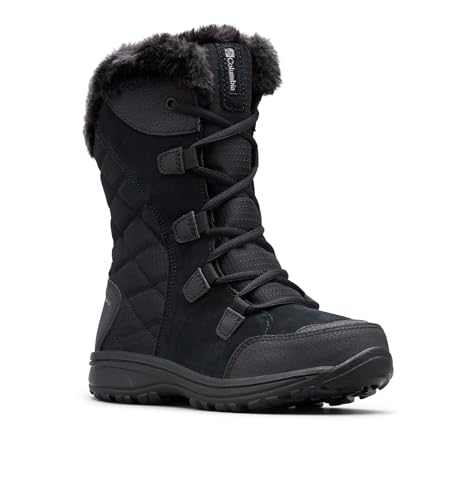
Columbia Womens Ice Maiden II, Black/Columbia Grey, 9 | Why We Like The Columbia Ice Maiden II Boot
Check price on Amazon
SHIBEVER Women's Winter Snow Boots: Waterproof Fur-Lined Ankle Booties | All-Day Warmth Anti-Slip Comfortable Outdoor Walking Boots with Side Zipper for Cold Weather Black Size 8
Check price on Amazon
Lands' End Expedition Max Waterproof Insulated Womens Snow Boots, Winter Boots for Women - Black, 9 Medium
Check price on Amazon
DREAM PAIRS Women's Mid Calf Winter Snow Boots,Beige,9 | Lace-up Adjustable, Waterproof Shell, 3M Thinsulate Insulation, Faux Fur Lining, Slip-resistant Outsole, Warm Cozy
Check price on AmazonWaterproof Snow Boot Comparison by Use Case
| Boot Type | Best For | Insulation | Waterproofing | Price Range |
|---|---|---|---|---|
| Tall Winter Boots | Deep snow, shoveling, commuting | 400g–600g | Full waterproof membrane | $120–$250 |
| Mid-Calf Snow Boots | Everyday winter wear, errands | 200g–400g | Waterproof membrane + sealed seams | $90–$180 |
| Ankle Snow Boots | Light snow, transitional weather | 100g–200g | Water-resistant to waterproof | $60–$140 |
| Winter Sport Boots | Snowshoeing, winter hiking | 200g–400g + removable liner | Waterproof + breathable | $100–$220 |
| Fashion Winter Boots | City wear, casual outings | 100g–200g | Water-resistant coating | $70–$200 |
How to Choose the Right Pair for Your Needs
Selecting the perfect waterproof snow boots for women comes down to understanding your specific winter environment and lifestyle. Start by assessing your climate: do you face harsh, prolonged winters with heavy snowfall and sub-zero temperatures, or milder winters with occasional snow and rain? Your answer determines the insulation level you need. For mild winters, 200g insulation is often sufficient; for harsh conditions, 400g–600g is better. Women who experience Raynaud's or poor circulation may benefit from even higher insulation ratings or heated insoles.
Next, consider your primary activities. If you're mostly walking on cleared sidewalks and commuting, a mid-calf boot with moderate insulation and a stylish profile works well. If you're shoveling, sledding, or walking through deep snow, a taller boot with a gaiter-like collar keeps snow out. For winter hiking or snowshoeing, prioritize breathability alongside waterproofing to manage sweat during exertion. Our guide to cold weather boots waterproof options can help you narrow down technical features.
Fit is another critical factor that many women overlook. Winter boots should feel slightly roomy to accommodate thick socks and allow air circulation, which actually helps insulate. However, too much room causes blisters and instability. Try boots on in the afternoon when feet are slightly swollen, and always wear the socks you plan to use. For those who need extra support or have specific foot health concerns, exploring orthopedic work boots principles can inform your choice, even in casual winter footwear. And if you prefer a fashion-forward look without sacrificing function, check out our picks for tall winter snow boots for women that blend style and performance.
❄️ Pro Tips for Buying & Wearing Waterproof Snow Boots
- Test waterproofing early: After buying, run water over the boot in a sink before wearing them outside. If moisture seeps in, return them immediately.
- Treat with a protectant spray: Even waterproof boots benefit from occasional re-treatment with a water-repellent spray, especially at seams and zippers.
- Use wool socks: Merino wool socks regulate temperature, wick moisture, and stay warm even when damp — far superior to cotton.
- Dry boots properly: Never put wet boots near direct heat (radiators, fireplaces), which can crack leather and degrade synthetic materials. Air-dry at room temperature with boot dryers or crumpled newspaper.
- Check the temperature rating: Many boots list a comfort rating (e.g., -20°F, -40°F). Choose based on your climate's average winter low, not the extreme record low.
- Consider removable liners: Boots with removable liners dry faster and allow you to replace the liner when it wears out, extending the boot's life.
Caring for Your Waterproof Snow Boots
To maximize the lifespan of your winter footwear, regular care is essential. After each wear, brush off snow and salt residue with a soft brush or a dedicated boot scrubber. Salt stains are particularly damaging — they dry out leather and leave unsightly white marks. A mixture of equal parts water and white vinegar can neutralize salt, followed by a thorough rinse and air dry.
For leather snow boots, apply a leather conditioner or boot oil periodically to keep the material supple and prevent cracking. Our detailed guide on oiling boots explains how to properly condition leather without over-saturating it. For synthetic boots, a simple wipe-down with mild soap and water is usually sufficient. Always ensure boots are completely dry before storing them, and avoid storing them in damp basements or garages. If you want to explore more winter-ready options beyond snow boots, including waterproof footwear for men, our men's waterproof boots on sale page offers additional inspiration.
Frequently Asked Questions
Look for boots labeled "waterproof" rather than "water-resistant." Check for specific membrane technologies (Gore-Tex, eVent, DryVent, etc.) and sealed seams. Rubber-bottom boots with neoprene uppers are inherently waterproof. You can also test by submerging the boot in a few inches of water for 10–15 minutes and checking for moisture inside.
For moderate winters (20°F to 40°F), 200g insulation is comfortable. For cold winters (0°F to 20°F), choose 400g. For extreme cold (below 0°F), opt for 600g+ or boots with a rated temperature. Your activity level matters too — active users generate more body heat and need less insulation than those standing still.
Yes, generally half a size to a full size up from your regular shoe size is recommended to accommodate thick winter socks and allow room for toe movement. However, don't go so large that your foot slides around — that causes blisters and instability. Always try boots on with the socks you plan to wear.
With proper care, quality waterproof snow boots can last 3–5 years of regular seasonal wear. Leather boots may last longer with conditioning, while synthetic materials may degrade faster. Signs it's time to replace: cracked soles, delaminated waterproof membranes, persistent wetness inside, or compressed insulation that no longer keeps feet warm.
While you can, it's not ideal. Waterproof boots are designed for outdoor winter conditions and can make your feet sweat indoors due to limited breathability. For indoor wear during winter, consider cozy alternatives like men's winter house shoes or slippers designed for indoor comfort.
Final Thoughts
Investing in a high-quality pair of waterproof snow boots for women transforms your winter experience. No more cold, wet feet, no more cancelled plans because of weather. By understanding the key features — waterproof membranes, appropriate insulation, reliable traction, and proper fit — you can choose boots that keep you warm, dry, and confident all season long. Remember to care for your boots regularly, and they'll reward you with years of dependable service.
Whether you're braving a blizzard, walking the dog on a snowy morning, or simply navigating a slushy commute, the right winter boots make all the difference. Explore our recommended products above to find your perfect pair, and don't forget to check out our broader winter footwear resources for even more options, including winter snow boots on sale and specialized waterproof women's snowboots.