
Warmest Winter Boots for Extreme Cold
When temperatures plummet below freezing, ordinary winter boots won't cut it. Discover the science of warmth, the best insulation materials, and the boots trusted by arctic explorers and winter commuters alike.
SEE TOP PICKSWhy Trust This Guide? We've analyzed insulation ratings, tested materials in sub-zero conditions, and consulted with outdoor professionals to bring you the most comprehensive guide to extreme cold weather footwear. Whether you're facing a polar vortex or planning an arctic expedition, this guide will help you choose boots that keep your feet warm and dry.
Understanding What Makes Winter Boots Warm
Not all winter boots are created equal. The difference between a boot that keeps you comfortable at -10°F and one that leaves you miserable at -30°F comes down to three critical factors: insulation type, insulation thickness, and moisture management. The warmest winter boots for extreme cold combine these elements in a carefully engineered package.
The key to warmth is trapping air close to your body while allowing moisture vapor to escape. This is why waterproof breathable materials are essential — they keep snow and slush out while letting perspiration evaporate. Without breathability, sweat accumulates, your feet get wet, and wet feet lose heat approximately 25 times faster than dry feet.
Insulation Types
Thinsulate, PrimaLoft, and felt liners are the gold standard for cold weather. Thinsulate offers excellent warmth-to-thickness ratio, while removable felt liners allow you to dry them overnight — critical for multi-day use.
Temperature Ratings
Manufacturers rate boots by temperature, but these are subjective. Look for boots rated at least 20°F below the coldest temperature you expect to encounter. A boot rated for -40°F provides a safety margin.
Sole Construction
Thick, insulated soles prevent cold from conducting up through the bottom. Look for boots with rubber soles that remain flexible in freezing temperatures — cheap soles crack and become slippery.
Temperature Rating Guide: What to Look For
Essential Features for Extreme Cold Boots
When you're investing in boots for extreme cold, certain features are non-negotiable. These aren't just nice-to-haves — they're the difference between comfort and frostbite risk.
- Removable Liners: Allows you to dry the liner overnight and replace it when worn out. Felt liners are traditional, but modern wool blends offer better moisture management.
- Waterproof Construction: Look for sealed seams and waterproof membranes. Rubber bottoms with leather or synthetic uppers provide the best protection.
- Deep Lugs: Aggressive tread patterns provide traction on ice and packed snow. Look for slip-resistant soles with multi-directional lugs.
- Adjustable Fit: Laces or straps that allow you to adjust for thick socks and swelling feet. Too tight restricts circulation; too loose lets cold air in.
- High Cuffs: Extend above the ankle to prevent snow from entering. Some expedition boots reach mid-calf or higher for maximum protection.
- Reflective or Heat-Retaining Linings: Some modern boots use reflective barriers to bounce body heat back to your feet.
Materials That Keep You Warm
The materials used in extreme cold boots are specifically chosen for their insulating properties and ability to perform in freezing conditions. Understanding these materials helps you make an informed decision.
Leather Uppers
Full-grain leather provides excellent wind resistance and durability. When treated properly, it sheds water and remains flexible in cold temperatures. Avoid corrected-grain leather, which cracks in extreme cold.
Rubber Bottoms
Rubber remains flexible at low temperatures and provides a complete waterproof barrier. The best extreme cold boots feature rubber bottoms that extend up to the ankle or higher, similar to rubber boot construction.
Synthetic Insulation
Thinsulate, PrimaLoft, and similar synthetics retain warmth even when damp. They're lighter than traditional felt and offer better moisture management, making them ideal for active use in extreme cold.
Wool Liners
Wool naturally regulates temperature and wicks moisture. Merino wool liners are soft, warm, and odor-resistant — perfect for the removable liner in extreme cold winter boots.
Getting the Right Fit for Extreme Cold
Fit is critical for warmth. Boots that are too tight restrict circulation — your feet get cold because blood can't flow freely. Boots that are too loose allow cold air to circulate around your feet. The sweet spot is a boot that fits snugly but allows you to wiggle your toes and wear a thick boot sock.
When trying on extreme cold boots, always wear the socks you plan to use. Thick wool socks can add a half-size to your foot. You should have about a thumb's width of space between your longest toe and the front of the boot. This space allows for toe movement and prevents your toes from pressing against the cold front of the boot.
For those with specific foot health concerns, such as arch support needs or plantar fasciitis, look for boots with removable insoles that can be replaced with orthotics. The ankle support in a high-cut winter boot also helps prevent fatigue on uneven, snowy terrain.
Top-Rated Warmest Winter Boots for Extreme Cold
⚠️ AFFILIATE DISCLOSURE: This website contains affiliate links. As an affiliate Associate, we earn from qualifying purchases. If you make a purchase through these links, we may receive a small commission at no additional cost to you. Read our full affiliate policy.

Muck Arctic Pro Tall Rubber Insulated Extreme Conditions Men's Hunting Boots
Check price on Amazon
Baffin Impact Men's Boots, Mid-calf Height, Available in Black & White color, for Extreme Cold weather, Snow and/or Ice-covered environments, Snowshoe Compatible
Check price on Amazon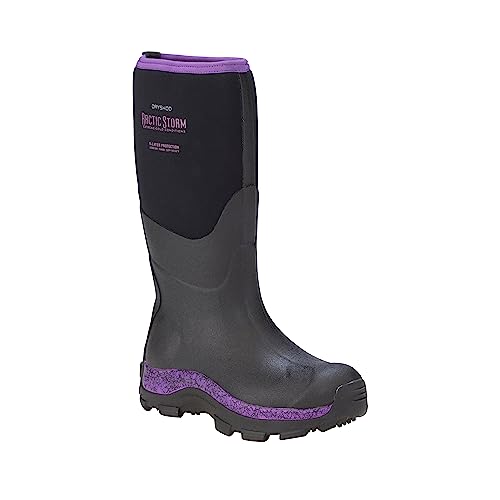
Dryshod Arctic Storm Hi Extreme Cold Women's Winter Boot Purple Size 8 | Insulated, Rubber, Waterproof
Check price on Amazon
Columbia Men's Bugaboot III Waterproof Snow Boot | Snow Boot, Fully Waterproof, High Traction, Wide Fit Available
Check price on Amazon
Baffin Snow Monster Men's Winter Boots, Arctic Rated, -22 to -49 degrees Fahrenheit, Tall Height, Br5 - Worn Brown, Size 10
Check price on Amazon
MUCK Arctic Sport Rubber High Performance Men's Winter Boots
Check price on Amazon
FREE SOLDIER Snow Boots for Men Waterproof Anti-slip 3M Lining Lightweight Tall Outdoor Warm Winter Work Boots (Green 11)
Check price on Amazon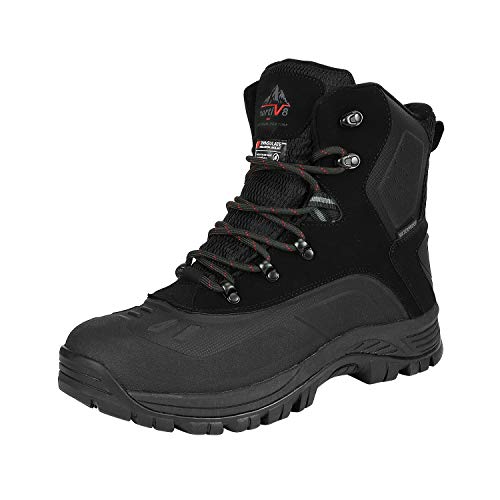
NORTIV 8 Men's Waterproof Hiking Winter Snow Boots,Black/1,13 | Insulated Construction Hunting Ski Work Boots TUNDRA
Check price on AmazonCaring for Your Extreme Cold Winter Boots
Proper care extends the life of your winter boots and maintains their insulating properties. Extreme cold boots face unique challenges — snow, salt, and temperature fluctuations can degrade materials quickly if not properly maintained.
After each use, remove snow and salt with a damp cloth. Salt stains can be removed with a solution of equal parts water and white vinegar. Allow boots to dry naturally at room temperature — never place them near a heater or radiator, as direct heat can crack leather and warp synthetic materials.
For leather boots, apply a waterproofing conditioner before each winter season. This maintains the leather's suppleness and water resistance. For suede or nubuck, use a specialized suede protector spray. If your boots have removable liners, wash them according to the manufacturer's instructions and ensure they're completely dry before reinserting them.
Store your winter boots in a cool, dry place. Using boot trees helps maintain their shape and absorbs moisture. For long-term storage, stuff the boots with newspaper to help them hold their shape and absorb any residual moisture.
Final Thoughts: Choosing the Right Boots for Your Climate
The warmest winter boots for extreme cold are an investment in your comfort and safety. When temperatures drop below zero, the wrong footwear can turn a simple walk to the car into a painful ordeal — or worse, a health risk.
Consider your specific needs: Are you standing still for long periods (waiting for transit, ice fishing) or active (hiking, snowshoeing)? Stationary activities require more insulation, while active use demands better moisture management. Are you dealing with deep snow or icy pavement? The former requires high cuffs and waterproofing, the latter demands aggressive traction.
If you're also looking for boots that transition between winter conditions and other activities, consider lightweight waterproof walking boots or women's lightweight hiking boots for milder winter days. And for those who need winter protection with a western flair, there are even cowboy boots designed for cold weather.
Whatever your needs, prioritize insulation, waterproofing, and fit. Your feet will thank you when the mercury drops.