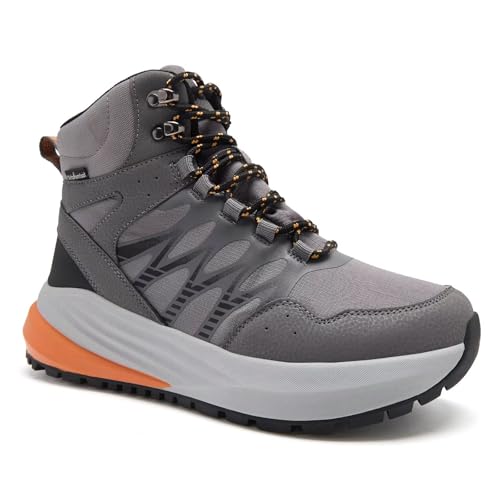
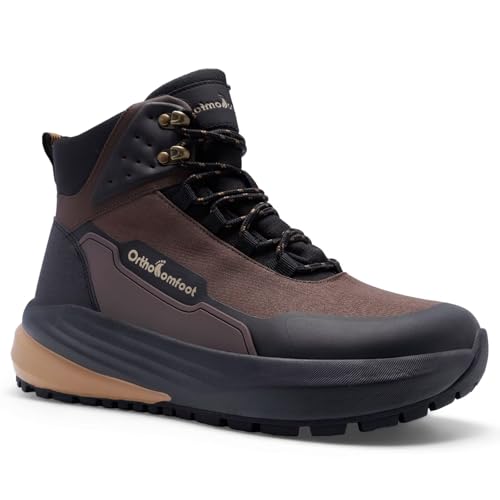
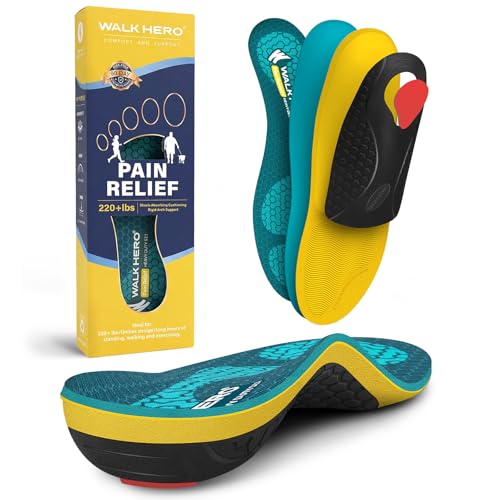
Understanding Plantar Fasciitis and Your Work Boots
Plantar fasciitis is one of the most common causes of heel pain. It involves inflammation of a thick band of tissue that runs across the bottom of your foot and connects your heel bone to your toes. For those who spend long hours on their feet, especially on hard surfaces like concrete, the condition can be exacerbated by inadequate footwear. This is where orthopedic work boots become essential.
Standard work boots often prioritize durability and safety over comfort, but modern orthopedic designs bridge that gap. They integrate features specifically engineered to alleviate the symptoms of plantar fasciitis. When choosing a pair, you need to look beyond just the safety toe; you need to consider the internal mechanics that support your foot's natural structure. For a broader look at safety footwear that addresses this condition, explore our guide to safety toe work boots for plantar fasciitis.
Key Features to Look For
Not all boots are created equal. To effectively manage plantar fasciitis, your work boots must include several critical features:
- Superior Arch Support: A firm, supportive arch is crucial. It helps to stabilize the foot and reduces the strain on the plantar fascia. Look for boots with a built-in orthopedic shank or a removable insole that can be replaced with a custom orthotic. If you also enjoy hiking, you might find our recommendations for hiking shoes good for plantar fasciitis helpful.
- Heel Cushioning: Deep heel cups and shock-absorbing materials like polyurethane or gel inserts can significantly reduce the impact on your heel with every step. For additional relief, consider adding a heel cushion to your boots.
- Slip Resistance: A slip-resistant outsole is not just for safety; it also prevents the micro-adjustments your foot makes when it feels unstable, which can aggravate the fascia. This is particularly important in environments like restaurants and hospitals. You can see our picks for slip-resistant boots for restaurant workers.
- Proper Fit and Width: A boot that is too narrow or too short can compress the foot and worsen pain. Look for options with a wide toe box to allow your toes to splay naturally. For those who need extra room, our article on comfortable work boots for flat feet offers additional insights.
- Shock Absorption: Boots with a shock-absorbing midsole are essential for anyone working on hard surfaces. If you stand all day, you'll want to check out our guide to work shoes for standing all day on concrete.
Choosing the Right Boot for Your Work Environment
The best orthopedic work boot for you depends heavily on your daily work environment. A construction worker has different needs than a warehouse supervisor or a nurse.
- For Construction and Industrial Work: You need a boot that combines maximum protection with orthopedic support. Look for models that feature a steel toe or composite toe along with a metatarsal guard. Check out our recommendations for steel toe boots with internal metatarsal guard. If you need something easier to put on, consider slip-on steel toe boots with metatarsal guard. For the best in class, see our picks for top-rated work boots for standing on concrete.
- For Warehouse and Light Industrial: Comfort and slip resistance are key. You might prefer a lighter boot that still offers excellent support. Our guide to comfortable work boots for standing all day is a great resource.
- For Food Service and Healthcare: Slip resistance is non-negotiable. You need a boot that is both safe and comfortable for long shifts. Explore our suggestions for slip-resistant work shoes for plantar fasciitis.
If you are also concerned about other foot health issues, such as diabetes, it's wise to look for composite toe safety shoes for diabetics that offer specialized protection and comfort. And for those who need a waterproof option, our review of steel toe waterproof slip-resistant work boots will be very useful.
Top Brands and What to Expect
Several brands are renowned for producing high-quality orthopedic work boots. While we cannot link to specific products, we can guide you on what to look for. Brands like Timberland PRO, Keen Utility, and Red Wing are known for their comfort-focused designs. When evaluating a brand, consider its reputation for durability and its specific technologies for arch support and cushioning. For a wider view of the market, our list of boots brands can be a good starting point.
Price is often an indicator of quality, especially when it comes to orthopedic features. A good pair of orthopedic work boots can range from $120 to $250. While it may seem like a significant investment, the relief from pain and the potential for increased productivity make it a worthwhile one. Investing in your foot health is an investment in your overall well-being.
Care and Maintenance for Longevity
To get the most out of your orthopedic work boots, proper care is essential. Keeping them clean and dry helps maintain the integrity of the materials and the supportive features. If you want to learn more about preserving different types of footwear, our guide to protecting suede shoes offers valuable tips. Additionally, using a boot tree can help maintain their shape and prevent creasing, which can break down the internal support structure over time.