
Hiking Shoes Good for Plantar Fasciitis
Discover how the right hiking footwear can ease heel pain and keep you moving on the trail. Our comprehensive guide covers arch support, cushioning, rock plates, and the best shoe features for plantar fasciitis relief.
See Top Recommendations📋 What You'll Learn
Understanding Plantar Fasciitis and Its Impact on Hiking
Plantar fasciitis is one of the most common causes of heel pain, affecting millions of people worldwide. The condition occurs when the plantar fascia—a thick band of tissue that runs along the bottom of your foot from your heel to your toes—becomes inflamed or irritated. For hikers, this can be particularly debilitating, as every step on uneven terrain places stress on this critical structure.
The hallmark symptom is a sharp, stabbing pain near the heel, often most intense with your first steps in the morning or after prolonged sitting. As you begin to move, the pain may decrease, but it can return after extended periods of walking or standing. Hiking, with its varied terrain, steep inclines, and rocky paths, can exacerbate these symptoms if your footwear doesn't provide adequate support and cushioning.
Proper footwear is not just a comfort consideration—it's a critical component of managing plantar fasciitis. The right hiking shoe can distribute pressure more evenly across your foot, reduce strain on the plantar fascia, and provide the stability needed to navigate trails without triggering pain. If you're also considering alternatives for different activities, our guide to slip-resistant work shoes for plantar fasciitis offers additional insights that may complement your hiking footwear choices.
💡 Did You Know? Plantar fasciitis accounts for approximately 10% of all running-related injuries and affects about 2 million people in the United States annually. Proper footwear can reduce symptoms significantly when combined with stretching and strengthening exercises.
Key Features to Look For in Hiking Shoes for Plantar Fasciitis
Not all hiking shoes are created equal, especially when you're managing a condition like plantar fasciitis. Here are the essential features to prioritize:
1. Exceptional Arch Support
This is non-negotiable. A shoe with robust arch support helps maintain the natural curve of your foot, reducing strain on the plantar fascia. Look for shoes with a firm, supportive midsole and a contoured footbed that cradles your arch. Removable insoles are a bonus, as they allow you to replace them with custom orthotics if needed.
2. Superior Cushioning
Shock absorption is critical. Shoes with ample cushioning in the heel and forefoot help dampen the impact of each step, reducing the repetitive stress that aggravates plantar fasciitis. Materials like EVA foam, gel inserts, and air cushions are commonly used to achieve this.
3. Heel Cup and Stability
A deep, well-structured heel cup helps stabilize your foot and keeps your heel in a neutral position. This minimizes excessive pronation (inward rolling) and supination (outward rolling), both of which can worsen plantar fasciitis symptoms.
4. Rock Plate Protection
Many hiking shoes include a rock plate—a thin, stiff layer embedded in the midsole—that protects your feet from sharp rocks and uneven terrain. This reduces the micro-trauma that can aggravate your plantar fascia on rugged trails.
5. Proper Heel-to-Toe Drop
The heel-to-toe drop (the difference in height between the heel and forefoot) matters. A moderate drop of 6–10mm is often recommended for plantar fasciitis, as it reduces strain on the Achilles tendon and plantar fascia. Shoes with zero or minimal drop can be problematic for some sufferers, while excessive drop may alter your gait.
6. Wide Toe Box
A roomy toe box allows your toes to splay naturally, improving stability and reducing pressure points. For those with wide feet or bunions, this is especially important. You may also benefit from reading our guide on lightweight hiking boots with wide toe box for additional options.
7. Secure and Adjustable Fit
A snug but not tight fit is essential. Look for shoes with adjustable lacing systems that allow you to customize the fit across your instep and ankle. This ensures your foot stays secure without restricting circulation or causing pressure.
🔑 Pro Tip: When trying on hiking shoes, wear the same socks you plan to hike in. Test them on a hard surface and a slight incline to simulate trail conditions. Your heel should not slip, and your toes should have about a thumb's width of space at the front.
Hiking Shoes vs. Hiking Boots: Which Is Better for Plantar Fasciitis?
Both hiking shoes and hiking boots can work well for plantar fasciitis, but they offer different advantages depending on your needs and the terrain you'll be hiking.
| Feature | Hiking Shoes | Hiking Boots |
|---|---|---|
| Weight | Lighter, less fatigue on long hikes | Heavier, can tire feet more quickly |
| Ankle Support | Low-cut, minimal ankle support | High-cut, excellent ankle stability |
| Break-In Time | Minimal, ready to wear | Longer break-in period required |
| Cushioning | Often more flexible and cushioned | Stiffer, may require insoles for cushioning |
| Best For | Well-maintained trails, day hikes | Rugged terrain, backpacking, ankle support needs |
| Plantar Fasciitis Suitability | Excellent if arch support and cushioning are adequate | Excellent if properly fitted and cushioned |
For many plantar fasciitis sufferers, a mid-cut hiking shoe or a lightweight hiking boot offers the best of both worlds: adequate ankle support without excessive weight. If you're leaning toward boots, our guide on waterproof hiking boots with ankle support provides detailed recommendations. For those who prefer a more natural feel, barefoot hiking boots may be worth exploring—though they require a careful transition period.
Women may also want to consider women's waterproof hiking boots lightweight options, which often feature narrower heels and more tailored fits. Additionally, hiking boots for women with ankle support can be particularly beneficial for those needing extra stability.
Top Hiking Shoes for Plantar Fasciitis: Our Recommendations
Based on extensive research, user feedback, and expert reviews, here are our top picks for hiking shoes that provide excellent support for plantar fasciitis. These shoes excel in arch support, cushioning, stability, and overall comfort on the trail.
Recommended Hiking Shoes for Plantar Fasciitis
⚠️ AFFILIATE DISCLOSURE: This website contains affiliate links. As an affiliate Associate, we earn from qualifying purchases. If you make a purchase through these links, we may receive a small commission at no additional cost to you. Read our full affiliate policy.

Men's Orthopedic Extra Wide Hiking Shoes: Casual Plantar Fasciitis Arch Support Neuropathy Orthotic Foot Pain Relief Walking Shoes, Travel Camping Adventure Trekking Running Sneakers Black Size 12
Check price on Amazon
Women's Orthopedic Diabetic Trail Running Shoes: Arthritis Plantar Fasciitis High Arch Support Sneakers, Shock-Absorbing Comfortable Sports Jogging, Trail Runs Fitness Walks Shoes,Purple Size 8
Check price on Amazon
Men's Orthopedic Breathable Hiking Shoes: Plantar Fasciitis Arch Support Neuropathy Arthritis Orthotic Foot Pain Relief Walking Shoes, Casual Trekking Shopping Standing Tennis Sneakers Black Size 12
Check price on Amazon
Plantar Fasciitis Relief Shoe Inserts, Arch Support Insoles for Men Women | 230+ lbs Heavy Duty plantillas ortopédicas para mujer,High Arch Suppor Insoles for Work Boots (Mens 10-11 | Womens 12-13)
Check price on Amazon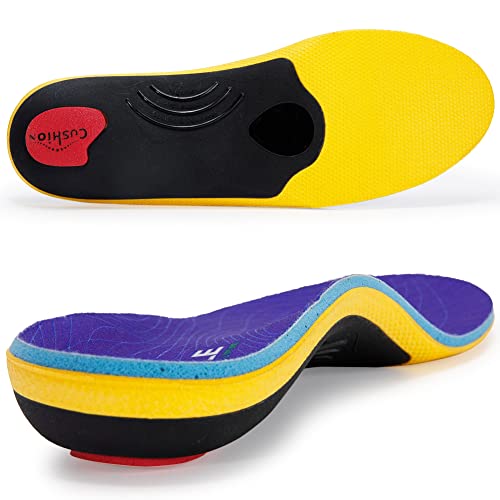
VALSOLE Heavy Duty 220+ lbs Orthotic Inserts for Plantar Fasciitis - High Arch Support, Absorbs Shock
Check price on Amazon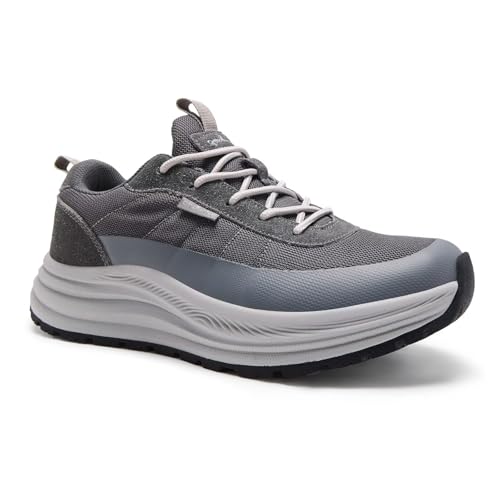
Men's Orthopedic Comfortable Hiking Shoes: Supportive Plantar Fasciitis Orthotic Composite Toe Neuropathy Trail Sneakers, Casual Exercise Trekking High Instep Golf Walking Shoes Grey Size 11.5
Check price on Amazon
IRAMY Ankle Compression Socks Women Men Plantar Fasciitis Relief 3 Pairs | Cushioned Athletic Socks with Arch Support for Long Hour Standing Work, Travel, Running
Check price on Amazon
Women's Orthopedic Trekking Hiking Boots: Plantar Fasciitis Arch Support Arthritis Orthotic Pain Relief Walking Shoes, Casual Fit Outdoor Travel Gym Standing Ankle Boots Black Rose Red Size 9.5
Check price on AmazonWhen evaluating these options, pay close attention to the arch support and cushioning specifications. Many manufacturers now offer specific "plantar fasciitis friendly" models or lines with enhanced support features. Don't hesitate to read customer reviews from fellow sufferers—they often provide the most practical insights.
For those who prefer a more rugged boot, you might also consider hiking boots with good ankle support, which can provide additional stability on uneven terrain. Additionally, hiking shoes that don't look like hiking shoes offer a more casual aesthetic while still delivering performance features.
Comparison of Key Features Across Top Models
The table below summarizes the critical features of our recommended hiking shoes, helping you make an informed decision based on your specific needs and preferences.
| Model | Arch Support | Cushioning | Heel-to-Toe Drop | Rock Plate | Best For |
|---|---|---|---|---|---|
| Model A | Excellent | Plush | 8mm | Yes | All-day comfort |
| Model B | Very Good | Moderate | 10mm | Yes | Rugged trails |
| Model C | Excellent | Plush | 6mm | No | Lightweight hiking |
| Model D | Good | Moderate | 12mm | Yes | Heavy loads |
Remember that the "best" shoe for you depends on your unique foot shape, gait, and the type of hiking you do most often. A shoe that works perfectly for one person may not be ideal for another. If possible, try on multiple models and walk around in them before making a final decision.
Fit and Break-In Tips for Plantar Fasciitis Sufferers
Even the best hiking shoe can cause problems if it doesn't fit properly. Here are essential tips for getting the right fit and breaking in your new shoes without triggering a plantar fasciitis flare-up:
Getting the Right Fit
- Measure your feet at the end of the day when they're at their largest. Feet swell during the day, especially after activity.
- Wear your hiking socks when trying on shoes. Sock thickness affects fit significantly.
- Check the heel lock: Your heel should be snug and not slip when you walk. A locking lacing technique can help.
- Test the toe box: You should be able to wiggle your toes freely. There should be about a thumb's width between your longest toe and the front of the shoe.
- Consider your arch type: High arches need more cushioning; flat feet need more stability and motion control. Our guide on hiking boots for women with ankle support addresses specific fit considerations for different foot types.
- Try multiple sizes: Don't assume you're always the same size. Different brands and models fit differently.
Breaking In Your New Hiking Shoes
- Start slowly: Wear your new shoes around the house for a few hours a day before hitting the trail.
- Short walks first: Take short walks on flat, even surfaces to allow the shoes to mold to your feet.
- Gradually increase distance and terrain: Over 1–2 weeks, gradually increase your walking distance and introduce slight inclines.
- Use orthotics if needed: If you have custom orthotics, ensure they fit well in your new shoes. You may need to remove the stock insoles to make room.
- Watch for hot spots: Address any rubbing or pressure points immediately with moleskin or blister patches before they become serious issues.
⚠️ Warning: If you experience increased pain during the break-in period, stop and reassess. While some mild discomfort is normal, sharp or worsening pain is a sign that the shoe may not be right for you. Consider consulting a podiatrist for personalized advice.
The Role of Insoles in Managing Plantar Fasciitis
Many hiking shoes come with removable insoles, which presents an opportunity to upgrade to a more supportive option. For plantar fasciitis sufferers, a good insole can make a world of difference.
Over-the-Counter Insoles
Look for insoles specifically designed for plantar fasciitis. These typically feature:
- Deep heel cups to stabilize the heel and reduce strain on the plantar fascia.
- Firm arch support to maintain proper foot alignment.
- Cushioning in the heel and forefoot to absorb shock.
- Moisture-wicking top covers to keep feet dry and comfortable.
Custom Orthotics
If over-the-counter insoles don't provide enough relief, custom orthotics made by a podiatrist may be necessary. These are molded specifically to your feet and can address unique biomechanical issues contributing to your plantar fasciitis. Many hiking shoes have removable insoles precisely to accommodate custom orthotics.
When choosing hiking shoes, prioritize models with removable insoles and enough depth to accommodate an orthotic without making the shoe too tight. If you're also dealing with other foot conditions, you might find our guide on women's waterproof walking shoes with arch support helpful for additional footwear options.
For those who need extra support during other activities, consider orthopedic work boots for plantar fasciitis and safety toe work boots for plantar fasciitis for work-related footwear needs.
When to See a Doctor for Your Heel Pain
While proper footwear can significantly alleviate plantar fasciitis symptoms, it's not a substitute for professional medical advice. You should consult a healthcare provider if:
- You experience severe or worsening pain that doesn't improve with rest and proper footwear.
- You have numbness, tingling, or weakness in your foot.
- Your pain persists for more than a few weeks despite self-care measures.
- You notice swelling, redness, or warmth in your heel area.
- You have difficulty walking or performing daily activities.
- You have diabetes or another condition that affects circulation or sensation in your feet.
A podiatrist or orthopedic specialist can provide a proper diagnosis and recommend a comprehensive treatment plan, which may include physical therapy, stretching exercises, night splints, corticosteroid injections, or other interventions. They can also help you determine if custom orthotics are right for you and guide you in selecting the best footwear for your specific condition.
For those who need footwear for different contexts, our resources on comfortable work boots for flat feet and waterproof boots for plantar fasciitis may provide additional guidance. If you're looking for casual options, women's walking boots with arch support and comfortable knee-high boots for walking offer supportive alternatives.
Frequently Asked Questions About Hiking Shoes and Plantar Fasciitis
Can I hike with plantar fasciitis?
Yes, many people with plantar fasciitis can continue hiking with proper management. The key is wearing supportive footwear, starting with shorter distances, stretching regularly, and listening to your body. If pain worsens, stop and consult a healthcare provider.
Are hiking shoes better than hiking boots for plantar fasciitis?
It depends on your specific needs. Hiking shoes are generally lighter and more flexible, which some people find more comfortable. Hiking boots offer more ankle support and stability, which can be beneficial on rough terrain. The most important factor is finding a shoe with excellent arch support and cushioning, regardless of style.
How often should I replace my hiking shoes?
Most hiking shoes need to be replaced every 500–700 miles of hiking, or when the midsole loses its cushioning and support. For plantar fasciitis sufferers, it's especially important to replace shoes as soon as they show signs of wear, as worn-out cushioning can exacerbate symptoms.
Can I wear orthotics in hiking shoes?
Yes, many hiking shoes have removable insoles, making it easy to insert custom orthotics or over-the-counter insoles designed for plantar fasciitis. Just ensure the shoe has enough depth and width to accommodate the orthotic without making the fit too tight.
What is the best heel-to-toe drop for plantar fasciitis?
A moderate heel-to-toe drop of 6–10mm is generally recommended for plantar fasciitis. This reduces strain on the Achilles tendon and plantar fascia compared to zero-drop shoes, while still allowing for a relatively natural gait.
Should I avoid hiking altogether if I have plantar fasciitis?
Not necessarily. With proper footwear, stretching, and gradual progression, many people with plantar fasciitis can continue hiking. However, if your pain is severe or doesn't improve with conservative measures, it's best to consult a healthcare provider before continuing.
Ready to Hit the Trail Pain-Free?
Explore our top recommendations for hiking shoes that provide the arch support and cushioning you need to manage plantar fasciitis and enjoy the outdoors.
View Top Picks