
Hiking Boots with Good Ankle Support
Your comprehensive guide to finding stable, supportive hiking boots that protect your ankles on any terrain. Learn what to look for and make an informed purchase.
View Top RecommendationsWhen you're out on the trail, the last thing you want to worry about is a twisted ankle. Whether you're navigating rocky scrambles, carrying a heavy backpack, or simply enjoying a leisurely hike, hiking boots with good ankle support are essential for stability, comfort, and injury prevention. This guide will walk you through everything you need to know to choose the perfect pair for your adventures.
Why Ankle Support is Crucial for Hiking
Ankle support is more than just a feature; it's a critical component of your hiking safety system. The ankle is a complex joint responsible for bearing your body weight and adapting to uneven ground. On the trail, where surfaces are unpredictable, a supportive boot acts as an external skeleton, helping to:
- Prevent Sprains and Strains: The most common hiking injury is an ankle sprain. A high-cut boot with a secure lacing system limits excessive side-to-side movement, drastically reducing the risk.
- Improve Stability: When carrying a heavy pack, your center of gravity shifts. Ankle support helps you maintain balance, especially on descents and technical terrain.
- Reduce Fatigue: By stabilizing your foot and ankle, your muscles don't have to work as hard to keep you upright, meaning you can hike longer and feel less tired.
- Protect Against Impact: The padded collar and stiff materials of a supportive boot shield your ankle bones from rocks and trail debris.
For those who prefer a lighter, more natural feel, barefoot hiking boots offer a different approach, but for rugged terrain and heavy loads, dedicated ankle support is irreplaceable.
Key Features of a Supportive Hiking Boot
Not all hiking boots are created equal. When shopping for boots with excellent ankle support, pay close attention to these features:
1. High-Cut Design (Mid vs. High)
This is the most obvious indicator of ankle support. Mid-cut boots rise just above the ankle bone and offer a good balance of support and freedom of movement, ideal for day hikes and light backpacking. High-cut boots extend further up the calf, providing maximum support for heavy loads and rugged, uneven terrain. Your choice depends on the intensity of your hikes.
2. Stiffness and Material of the Upper
The material of the boot's upper plays a huge role in its supportive qualities. Full-grain leather is the most durable and supportive, molding to your foot over time. Nubuck and synthetic materials are lighter and require less break-in but may offer slightly less structure. Look for boots with a sturdy heel counter and a stiff midsole to resist twisting.
3. Lacing System
A sophisticated lacing system is vital for a custom, secure fit. Features like locking eyelets or hooks at the ankle allow you to separate lace tension between the foot and the ankle. This means you can keep your ankle snugly supported without cutting off circulation to your toes. A padded tongue also helps distribute pressure evenly.
4. Heel Lock and Collar Padding
A well-padded collar cushions the ankle bone and helps lock your heel in place. If your heel slips, you lose stability and are more prone to blisters. A good "heel lock" lacing technique or a boot with a narrow heel pocket can make a world of difference. You can also enhance comfort with heel cushions for an even more secure feel.
5. Weight and Sole Construction
While heavier boots are often more supportive, modern materials allow for lightweight boots with excellent stability. The sole is also critical. A stiffer shank (a structural element in the sole) provides underfoot support and protects against sharp rocks. Deep, aggressive lugs provide traction on varied surfaces. For those with specific foot concerns, looking for hiking shoes good for plantar fasciitis is also important.
How to Choose the Right Fit for You
Even the most supportive boot in the world is useless if it doesn't fit properly. Here's a quick guide to getting the right fit:
- Size Up: Your feet swell during a hike. Try on boots with the socks you plan to wear and ensure you have about a thumb's width of space between your longest toe and the front of the boot.
- Heel Lock: Your heel should be firmly locked in place. If it lifts more than a tiny amount, the boot is either too big or the wrong shape for your foot.
- Width and Volume: Boots should feel snug but not tight. If you have wide feet, look for boots specifically designed for a wider fit. Some hikers find relief with men's hiking boots with a wide toe box. For women, there are dedicated models like hiking boots for women with ankle support that are shaped differently.
- Test on an Incline: Walk up and down a ramp in the store. Your toes should not jam into the front on the descent, and your heel should not slip on the ascent.
Price Guide: What to Expect
The price of hiking boots with good ankle support can vary widely based on materials, brand, and technology. Here's a general idea of what you can expect to pay (prices in USD):
| Category | Price Range | Best For |
|---|---|---|
| Budget-Friendly | $80–$150 | Occasional day hikes, light trails, beginners. |
| Mid-Range (Best Value) | $150–$250 | Regular hiking, varied terrain, weekend backpacking. |
| Premium | $250–$400+ | Serious backpacking, rugged mountains, heavy loads, long-distance treks. |
Investing in a mid-range or premium pair is often worthwhile for the durability and advanced support features they offer. Remember to check for sales, as you can often find great boots from previous seasons at a discount. You can find more tips on our boots sales and deals guide.
Final Thoughts
Choosing the right hiking boots with good ankle support is one of the most important gear decisions you'll make. It's an investment in your comfort, safety, and enjoyment on the trail. By understanding the key features, prioritizing a proper fit, and considering your specific hiking needs, you can find a pair that will keep you stable and happy for countless miles. Once you've made your choice, don't forget to care for your boots properly; learning about boot care and maintenance will ensure they last for many adventures to come.
Top-Rated Hiking Boots for Ankle Support
⚠️ AFFILIATE DISCLOSURE: This website contains affiliate links. As an affiliate Associate, we earn from qualifying purchases. If you make a purchase through these links, we may receive a small commission at no additional cost to you. Read our full affiliate policy.

NORTIV 8 Women's Waterproof Hiking Boots Trekking,Grey/Blue,7.5 | Lightweight Hiking Walking Trail Work Rain Camping Outdoor Slip Resistant Daily Boots Seeker
Check price on Amazon
NORTIV 8 Men's Ankle High Waterproof Hiking Boots,Brown/Black/Tan,10.5 | Outdoor Lightweight Hiking Boots for Camping, Trekking and Mountaineering Armadillo
Check price on Amazon
SHULOOK Men's Waterproof Hiking Boots Non-Slip Lightweight Mid Top Ankle Boot Breathable Hiker Trekking Shoes
Check price on Amazon
Merrell Women's Moab 3 Mid Waterproof, Granite, 10
Check price on Amazon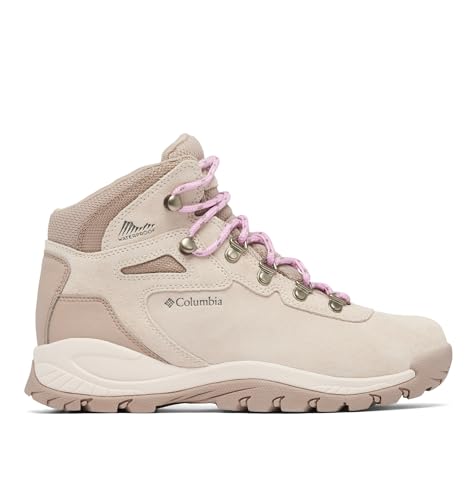
Columbia Womens Newton Ridge Plus Waterproof Amped, Dark Stone/Cosmos, 7.5
Check price on Amazon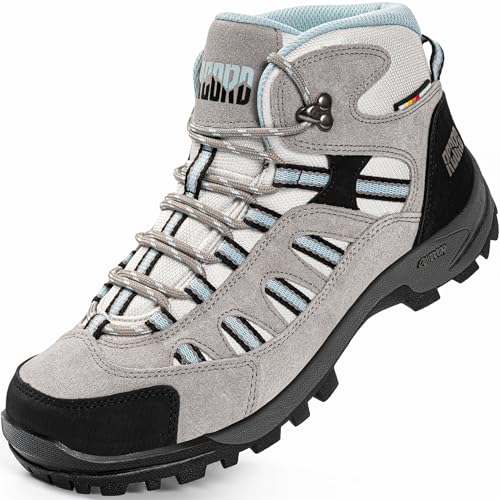
R CORD Womens Hiking Boots Hiking Shoes Breathable Waterproof Womens Hiking Shoes Hunting Boots Ankle Support Hiking Boots Grey Size 7
Check price on Amazon
NORTIV 8 Women's Lightweight Ankle Hiking Boots Backpacking,Orange,9 | Waterproof Hiking Walking Trekking Work Camping Comfortable Slip-Resistant Outdoor Boots
Check price on Amazon