
Men's Lightweight Waterproof Walking Boots: The Complete Guide
Find the perfect balance of protection, comfort, and agility. Our expert guide helps you choose the best men's lightweight waterproof walking boots for every trail and budget.
Why Lightweight Waterproof Walking Boots? Traditional leather hiking boots can feel heavy and stiff, especially on long trails. Modern men's lightweight waterproof walking boots use advanced synthetic materials and waterproof membranes to deliver exceptional protection without the bulk. Whether you're a weekend rambler or a serious trekker, these boots offer the support you need with the freedom of movement you want.
In this comprehensive guide, we'll walk you through everything you need to know about choosing the right pair — from waterproofing technologies and sole construction to fit, break-in periods, and our top product recommendations.
Top Men's Lightweight Waterproof Walking Boots
⚠️ AFFILIATE DISCLOSURE: This website contains affiliate links. As an affiliate Associate, we earn from qualifying purchases. If you make a purchase through these links, we may receive a small commission at no additional cost to you. Read our full affiliate policy.
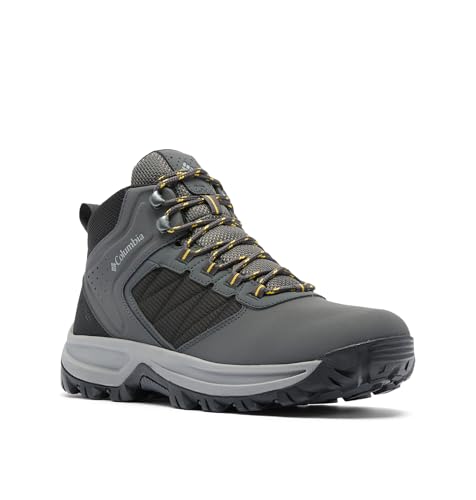
Columbia Men's Transverse Waterproof Hiking Boot | Fully Waterproof, High Traction, Lightweight, Wide Fit Available
Check price on Amazon
NORTIV 8 Men's Ankle High Waterproof Hiking Boots,All Black,10.5W | Outdoor Lightweight Hiking Boots for Camping, Trekking and Mountaineering Armadillo
Check price on Amazon
SHULOOK Men's Waterproof Hiking Boots Non-Slip Lightweight Mid Top Ankle Boot Breathable Hiker Trekking Shoes
Check price on Amazon
Columbia Men's Transverse Waterproof Hiking Boot | Fully Waterproof, High Traction, Lightweight, Wide Fit Available
Check price on Amazon
NORTIV 8 Men's Ankle High Waterproof Hiking Boots,Brown/Black/Tan,12W | Outdoor Lightweight Hiking Boots for Camping, Trekking and Mountaineering Armadillo
Check price on Amazon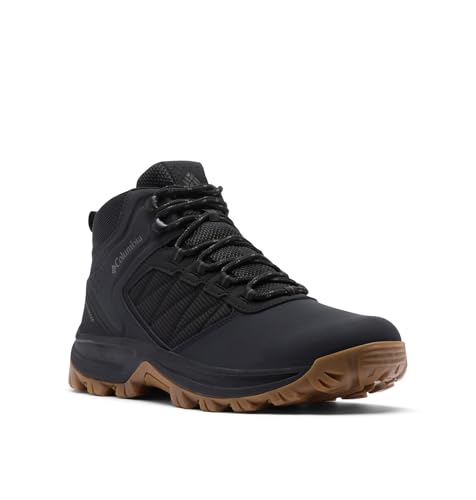
Columbia Men's Transverse Waterproof Hiking Boot, Black/Black, 10 | Transverse Hike Waterproof Shoe offers dry comfort and all-terrain traction on any trail
Check price on Amazon
OUTJET Men's Waterproof Hiking Boots Lightweight Comfortable Outdoor Walking Trail Boots Shoes
Check price on Amazon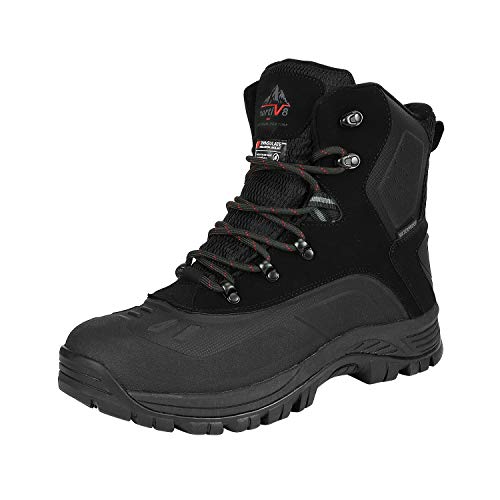
NORTIV 8 Men's Waterproof Hiking Winter Snow Boots,Black/1,13 | Insulated Construction Hunting Ski Work Boots TUNDRA
Check price on AmazonWhat Makes a Great Lightweight Waterproof Walking Boot?
Not all lightweight boots are created equal. The best models combine several key features that work together to keep your feet dry, comfortable, and supported on any terrain.
💧 Waterproof Membrane
Look for boots with a built-in waterproof breathable membrane like Gore-Tex, eVent, or proprietary alternatives. These block external moisture while allowing sweat vapor to escape, keeping your feet dry from both rain and perspiration.
🪶 Lightweight Construction
Modern lightweight boots typically weigh between 1.5 and 2.5 pounds per pair. They use synthetic uppers, minimal stitching, and lightweight sole materials without sacrificing durability or protection.
🦶 Supportive Midsole
A good midsole provides cushioning and stability. EVA foam and polyurethane are common choices. Some boots include shanks for added rigidity on rocky terrain.
👟 Aggressive Outsole
Vibram and similar high-quality rubber outsoles offer excellent traction on mud, rocks, and wet surfaces. Deep lugs improve grip and reduce slipping on uneven ground.
Waterproof Technologies Explained
Understanding how waterproofing works will help you choose the right boots for your needs. Here are the most common technologies you'll encounter:
| Technology | How It Works | Best For |
|---|---|---|
| Gore-Tex | Expanded PTFE membrane with billions of pores smaller than water droplets but larger than vapor molecules. | All-around hiking, wet climates, premium boots |
| eVent | Direct venting membrane that allows sweat vapor to escape without a PU layer. | High-output activities, warm weather |
| Waterproof Leather | Treated full-grain leather with sealed seams and a waterproof membrane. | Durability, classic style, rough terrain |
| Synthetic Membranes | Proprietary PU or polyester-based membranes from brands like Merrell, Keen, and Salomon. | Budget-friendly, casual walks, light trails |
Pros and Cons of Lightweight Waterproof Boots
✓ Pros
- Comfortable right out of the box — minimal break-in
- Less fatigue on long walks and hikes
- Breathable waterproof protection
- Versatile for both trails and urban environments
- Quick-drying materials
- Often more affordable than full leather boots
✗ Cons
- Less durable than full-grain leather over many years
- May offer less ankle support on very rough terrain
- Waterproof membranes can wear out over time
- Synthetic materials may retain odors if not cared for
- Not ideal for extreme cold or heavy backpacking
How to Choose the Right Pair for You
1. Consider Your Terrain
If you're mostly walking on well-maintained paths and gentle trails, a lightweight boot with a moderate outsole will serve you well. For more rugged terrain, look for boots with deeper lugs and a slightly stiffer midsole. If you need extra ankle support, consider a hiking boot with good ankle support or a model designed for waterproof hiking with ankle support.
2. Get the Fit Right
Fit is everything. Your toes should have about a thumb's width of space at the front, and your heel should be locked in place without slipping. Try boots on in the afternoon when your feet are slightly swollen, and wear the socks you plan to hike in. If you have wide feet, look for models with a wide toe box or consider lightweight hiking boots with a wide toe box.
3. Think About Weight
Every ounce counts on the trail. Lightweight boots reduce fatigue and let you move faster. If you're comparing options, check the manufacturer's weight specification — most quality lightweight boots weigh between 1.5 and 2.5 pounds per pair. For those who want an even more natural feel, barefoot hiking boots offer a minimalist alternative.
4. Waterproofing vs. Breathability
Waterproof boots are excellent for wet conditions, but they can be warmer than non-waterproof alternatives. If you hike in hot, dry climates, consider a non-waterproof boot or one with enhanced breathability. For wet weather and muddy trails, a waterproof membrane is essential. If you're also considering walking shoes, check out our guide to waterproof breathable walking shoes.
5. Budget Considerations
You can find a solid pair of men's lightweight waterproof walking boots for around $90 to $150. Mid-range options ($150–$200) offer better materials and construction, while premium boots ($200+) deliver top-tier performance and durability. The sweet spot for most hikers is the $120–$180 range, where you get excellent value without compromising on quality.
Caring for Your Lightweight Waterproof Boots
Proper care extends the life of your boots and maintains their waterproof performance. Here are essential maintenance tips:
🧹 Clean After Every Hike
Remove mud and dirt with a soft brush and lukewarm water. Avoid harsh detergents that can damage waterproof membranes. For suede or nubuck, use a specialized brush.
💧 Reapply DWR Treatment
Over time, the durable water repellent (DWR) coating on your boots wears off. Reapply a spray-on or wash-in DWR product to maintain water resistance.
🌬️ Air Dry Properly
Never dry boots near a radiator or fire. Stuff them with newspaper and let them air dry at room temperature. Remove insoles to speed drying.
📦 Store with Care
Store boots in a cool, dry place. Use boot trees or stuff them with paper to maintain their shape and prevent creasing.
Common Mistakes to Avoid
Even experienced hikers make these mistakes when buying lightweight waterproof boots. Avoid these pitfalls:
- Buying too small: Your toes need room to move, especially on descents.
- Ignoring the sock factor: Thick socks require a larger boot size.
- Skipping the break-in: Even lightweight boots benefit from a few short walks before a big hike.
- Overlooking the outsole: A worn-out sole means poor traction and increased injury risk.
- Assuming waterproof means waterproof forever: Membranes and coatings degrade; proper care is essential.
Frequently Asked Questions
Final Thoughts
Choosing the right men's lightweight waterproof walking boots is about finding the perfect balance between protection, comfort, and weight. By understanding waterproof technologies, prioritizing fit, and considering your specific terrain and budget, you can find a pair that keeps your feet dry and comfortable mile after mile.
Remember to check out our recommended products above — we've curated a selection of top-rated boots that excel in performance and value. Whether you're a casual walker or a serious hiker, there's a perfect pair waiting for you.
For more footwear guides, explore our other resources on lightweight waterproof walking shoes for men and women's lightweight waterproof walking shoes.