


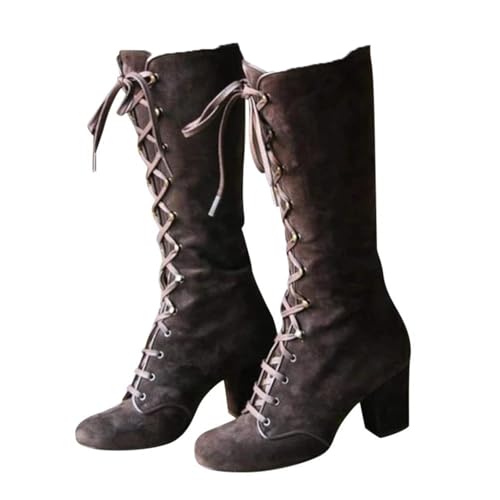


What Defines a Vintage Boot?
The term "vintage" is often used loosely, but in the world of footwear, it generally refers to boots that are at least 20 years old and represent a specific era's style and manufacturing techniques. True vintage boots are prized for their quality leather, intricate detailing, and the unique patina that only comes with age. They are a stark contrast to modern disposable fashion, offering a connection to the past and a testament to enduring style. The craftsmanship found in a pair of Victorian boots or early 20th-century workwear is often unparalleled today.
Iconic Vintage Boot Styles Through the Decades
Fashion is cyclical, and many of today's trends are direct descendants of vintage styles. Understanding these eras can help you identify and appreciate the boots you find.
The 1920s-1940s: Practicality and Elegance
This era saw the rise of sturdy work boots for industry and elegant, lace-up styles for women. The Oxford boot became a staple for both genders, prized for its comfort and versatility. For the daring, the Cuban heel boot added a touch of flair to men's formal wear. These boots were built to last, with Goodyear welted soles being a common feature, a construction method still coveted today for its durability and repairability.
The 1950s-1960s: Rebel Icons
The post-war era gave birth to the teenager and with them, iconic rebellious styles. The Beatle boot, with its sleek silhouette and Cuban heel, became a worldwide sensation. This decade also cemented the biker boot as a symbol of rugged individualism, often adorned with harness straps and buckles.
The 1970s: Bold and Expressive
The 70s were all about self-expression. This is the golden era for many vintage enthusiasts. 70s boots are characterized by tall shafts, platform soles, and a variety of materials from supple leather to suede. The cowboy boot saw a massive resurgence in popularity, moving from the ranch to the disco. For the ultimate vintage statement, nothing beats a pair of thigh-high boots from this decade.
The 1980s-1990s: Subculture and Grunge
The 80s brought us the punk boot, often featuring studs and heavy-duty soles. The 90s grunge movement popularized the black military boot and combat styles as everyday wear, a trend that has never truly gone away. The emo subculture of the early 2000s also embraced a dark, vintage-inspired aesthetic.
How to Identify and Date Vintage Boots
Finding a pair of vintage boots is one thing; knowing their history is another. Here are a few key indicators to look for:
- Construction: Look for signs of hand-crafting like Goodyear welting or hobnails on the soles. These methods are hallmarks of quality and are less common in modern budget footwear.
- Materials: Older boots often use higher-quality, full-grain leather that develops a rich patina. The lining might be made of real leather or heavy canvas.
- Labels and Branding: Research the brand's history. Logos and labeling methods can be a great clue to a boot's age. A "boot factory" stamp can indicate a specific maker.
- Hardware: Zippers, buckles, and eyelets can reveal a lot. Older zippers are often metal and branded (like Talon or YKK). The style of boot removers and bootjacks can also give context to the era.
- Style: A classic wingtip or moc-toe design can be timeless, but details like a specific heel shape or toe box can help pinpoint the decade.
Sourcing Your Own Pair of Vintage Boots
The thrill of the hunt is a huge part of the vintage experience. You can find vintage boots in a variety of places:
- Online Marketplaces & Auctions: Sites like eBay, Etsy, and dedicated vintage forums are treasure troves. Use specific search terms like "vintage cowboy boots" or "medieval boots" to narrow your search.
- Thrift Stores & Consignment Shops: You never know what you'll find. Check regularly and look carefully at the construction and condition.
- Estate Sales & Flea Markets: These are often the best places to find authentic, well-preserved pieces at a great price. For the truly dedicated, finding a defunct boots shop or old boot factory is the ultimate prize.
Caring for Your Vintage Treasures
Vintage boots require gentle, proactive care to ensure they last another lifetime. Leather can dry out and crack over time, so regular conditioning is essential. Use a high-quality boot polish and conditioner. For cleaning, be gentle, especially with delicate materials like suede. Always use a bootjack or boot remover to take them off without damaging the heel counter. Proper storage is also key; use boot storage covers or shoe trees to maintain their shape.
Styling Your Vintage Boots
Vintage boots are incredibly versatile. A pair of vintage cowboy boots can add a rugged touch to a modern outfit, while a classic Victorian boot can be the centerpiece of an elegant ensemble. Don't be afraid to mix eras. A modern fashion boot silhouette in a vintage leather can be the perfect bridge between old and new. Whether you prefer a sleek pointy boot or a more substantial chunky boot, there's a vintage style for everyone. The key is to wear them with confidence and let their unique history shine.
The Value of Vintage
Beyond style, investing in vintage boots is a sustainable choice. By giving new life to a pre-owned pair, you are participating in a circular economy and reducing waste. The quality found in a well-made vintage boot often surpasses that of its modern equivalent, offering better value in the long run. A pair of durable work boots or hiking boots from decades past, if well-maintained, can still outperform many new models. This is the true value of vintage: timeless design, superior materials, and a story that is uniquely yours.