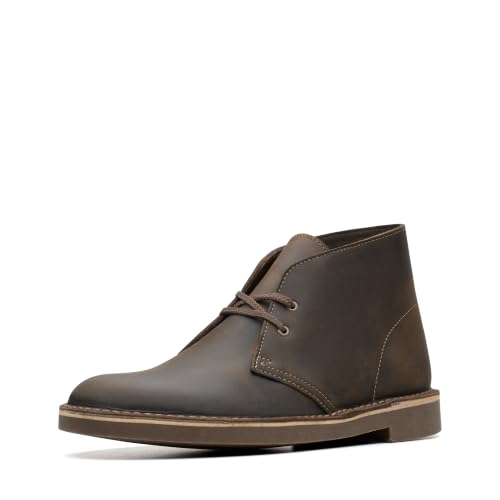
Oxford Boots: The Complete Guide to Classic Lace-Up Footwear
Discover the timeless elegance and versatility of Oxford boots. From their rich history to modern styling tips, learn everything you need to know before choosing your perfect pair.
Explore the GuideWhy Oxford Boots? Oxford boots combine the refined elegance of a dress shoe with the practicality and support of a boot. They are a cornerstone of sophisticated casual and formal wear, offering unmatched versatility for the modern wardrobe.
What Are Oxford Boots?
Oxford boots are a distinct style of lace-up footwear characterized by their closed lacing system. Unlike Derby boots, where the lacing panels are sewn on top of the vamp (the front part of the shoe), Oxford boots feature lacing panels that are sewn underneath the vamp. This "closed lacing" creates a sleek, streamlined silhouette that is inherently more formal and elegant than its open-laced counterparts.
The defining feature of an Oxford is its vamp, which is stitched under the eyelet tabs, creating a clean, uninterrupted line. This construction gives the boot a refined, dressy appearance that transitions seamlessly from business attire to smart-casual outfits. While traditional Oxfords are low-cut shoes, the "Oxford boot" elevates this classic design to new heights, offering ankle coverage and often a more substantial sole for added durability and comfort.
For those exploring the broader world of lace-up footwear, understanding the nuances between different styles is key. A great starting point is to compare them with other classic designs, such as wingtip boots, which feature decorative perforations, or the more rugged ranger boots, designed for outdoor utility.
A Brief History of the Oxford Shoe
The Oxford shoe originated in Scotland and Ireland, initially gaining popularity among students at Oxford University in the 1800s as a more comfortable and less formal alternative to the traditional boot. These early versions were half-boots, but the style eventually evolved into the low-cut shoe we recognize today. The boot version, however, retained the ankle coverage, making it a favorite for those who wanted the elegance of an Oxford with the added support of a boot.
Over the centuries, the Oxford boot has been adopted by various subcultures and fashion movements. From the sharp-suited mods of the 1960s to the modern minimalist wardrobes of today, its appeal endures. Its journey from a scholarly staple to a global fashion icon is a testament to its enduring design and functionality. This rich history is part of what makes them so desirable for collectors and enthusiasts of vintage boots.
Key Features of a Quality Oxford Boot
When evaluating a pair of Oxford boots, several key features determine their quality, comfort, and longevity. Understanding these components will help you make an informed investment.
- Closed Lacing System: The most defining feature. The eyelet tabs are sewn under the vamp, creating a clean, formal look.
- Leather Quality: Look for full-grain or top-grain leather. Full-grain is the most durable and develops a beautiful patina over time. The craftsmanship, such as a Goodyear welt, ensures the boot can be resoled for years of wear.
- Sole Construction: Oxford boots can feature leather soles for formality, rubber soles for grip and weather resistance, or a combination. The sole should be sturdy and well-attached.
- Toe Shape: The most common is the round toe, which is classic and versatile. Other options include the almond toe, which is slightly more elongated and elegant, and the chisel toe, which offers a modern, angular look.
- Heel: A low, stacked heel is standard, providing a stable and comfortable base. While less common on boots, some variations may feature a Cuban heel for a distinct western flair.
Materials and Construction: What to Look For
The materials and construction methods used in an Oxford boot are the primary indicators of its quality and price point. A well-made boot is an investment that pays off in comfort and durability.
Leather is the traditional and most common material for premium Oxford boots. Full-grain leather is the gold standard, retaining the hide's natural grain and strength. It's breathable, durable, and ages gracefully. Top-grain leather is slightly sanded to remove imperfections, making it more uniform but slightly less durable. Patent leather offers a high-gloss finish for formal occasions, while suede and nubuck provide a softer, more textured look.
Construction is equally important. A Goodyear welt is a hallmark of quality, where the upper and sole are stitched to a welt, allowing for easy resoling and superior water resistance. A Blake stitch is a more lightweight and flexible alternative but is more difficult to resole. Cemented construction, where the sole is glued on, is common in cheaper boots but is less durable and cannot be repaired. For those looking for a more rugged, work-oriented Oxford-style boot, exploring the world of safety footwear might be beneficial, though the construction and materials will differ.
How to Style Oxford Boots
The versatility of Oxford boots is their greatest asset. They can be dressed up or down with ease, making them a staple for any well-curated wardrobe.
For Formal and Business Settings: Pair dark-colored Oxford boots (black, dark brown, or oxblood) with tailored wool trousers, chinos, and a blazer or suit. They are an excellent alternative to traditional dress shoes, adding a touch of rugged sophistication. A well-polished boot can even be worn with a formal suit for events where a standard dress shoe might feel too predictable. To keep them looking their best, regular use of boot polish is essential.
For Smart-Casual Outings: This is where Oxford boots truly shine. Combine a lighter brown or tan pair with dark denim jeans, a crisp button-down shirt, and a crewneck sweater. For a more relaxed look, try them with chinos and a simple t-shirt. The clean lines of the boot add a touch of refinement to even the most casual of outfits.
For a Contemporary Look: Don't be afraid to experiment. A pair of sleek black Oxford boots can add an edge to a modern, minimalist outfit. For women, styling options are endless; they can be paired with tailored trousers for a masculine-inspired look or with a midi skirt and tights for a chic, urban ensemble. This adaptability is why they remain a favorite among enthusiasts of fashion boots and stylish boots for men.
Oxford Boots vs. Other Lace-Up Boots
To fully appreciate the Oxford boot, it's helpful to understand how it differs from other popular lace-up styles.
| Feature | Oxford Boot | Derby Boot | Combat Boot |
|---|---|---|---|
| Lacing System | Closed lacing (more formal) | Open lacing (more casual) | Open lacing (utilitarian) |
| Formality | High (dressy) | Medium (smart-casual) | Low (casual/workwear) |
| Typical Materials | Fine leathers (calfskin, shell cordovan) | Leather, suede, nubuck | Rugged leather, canvas, synthetic |
| Sole | Leather or thin rubber | Rubber or leather | Thick rubber (lug sole) |
| Best For | Business, formal, smart-casual | Everyday wear, casual outings | Outdoor work, military, street style |
While Oxford boots are distinct, they share a lace-up heritage with styles like jungle boots and black military boots, though the latter are designed for far more rugged purposes. The key difference lies in the formality and construction, with Oxfords always leaning towards elegance.
Your Oxford Boots Buying Guide
Investing in a pair of Oxford boots requires careful consideration. Here's what to keep in mind to ensure you choose a pair you'll love for years.
- Fit is Everything: Oxford boots should fit snugly but comfortably. The closed lacing system offers less adjustability than a Derby, so getting the right size is crucial. Ensure there's about a thumb's width of space between your longest toe and the front of the boot. If you have wider feet, you may need to look for a specific wide fit boots option.
- Consider the Occasion: Are you looking for a daily work boot, a formal dress boot, or a casual weekend pair? A dark, sleek leather boot is more formal, while a lighter, grained leather or suede boot is more casual.
- Set a Budget: Quality Oxford boots are an investment. While you can find entry-level pairs for around $150, a well-crafted, Goodyear-welted pair from a reputable brand will typically cost between $300 and $800+. At the higher end, luxury models can exceed $1,500. The price reflects the quality of materials, construction, and brand reputation.
- Look for Reputable Brands: Research brands known for their quality and craftsmanship. Reading reviews and checking for warranties can save you from a poor purchase.
Caring for Your Oxford Boots
With proper care, a quality pair of Oxford boots can last for decades. Regular maintenance is key to preserving their appearance and integrity.
- Cleaning: Wipe down your boots with a damp cloth after each wear to remove dirt and dust. For deeper cleaning, use a leather cleaner and a soft brush.
- Conditioning: Leather needs moisture to stay supple and prevent cracking. Apply a high-quality leather conditioner every few months, or more often if the boots are exposed to harsh conditions.
- Polishing: Regular polishing not only makes your boots look great but also provides a protective layer against water and stains. Use a cream or wax polish that matches the color of your leather. A horsehair brush is essential for buffing.
- Waterproofing: Consider using a waterproofing spray, especially if you live in a wet climate. This is particularly important for suede and nubuck.
- Storage: Store your boots in a cool, dry place away from direct sunlight. Use shoe trees to absorb moisture and maintain the boot's shape. A boot remover can help you take them off without damaging the heel counter.
For more specific advice on maintaining different materials, you can refer to our guides on boot polish and general leather care.
Final Thoughts: Are Oxford Boots Right for You?
Oxford boots are more than just footwear; they are a statement of style and a testament to quality craftsmanship. Their unique blend of formality and ruggedness makes them an incredibly versatile addition to any wardrobe. Whether you're a professional looking for a sophisticated alternative to dress shoes, or a style enthusiast seeking a timeless, versatile boot, the Oxford boot is an excellent choice.
By understanding the features, materials, and styling options, you can invest in a pair that will serve you well for years to come. Take the time to find the right fit and care for them properly, and they will reward you with comfort, durability, and undeniable style. The world of boots is vast, but the Oxford boot holds a special place as a true classic.
Recommended Oxford Boots
⚠️ AFFILIATE DISCLOSURE: This website contains affiliate links. As an affiliate Associate, we earn from qualifying purchases. If you make a purchase through these links, we may receive a small commission at no additional cost to you. Read our full affiliate policy.
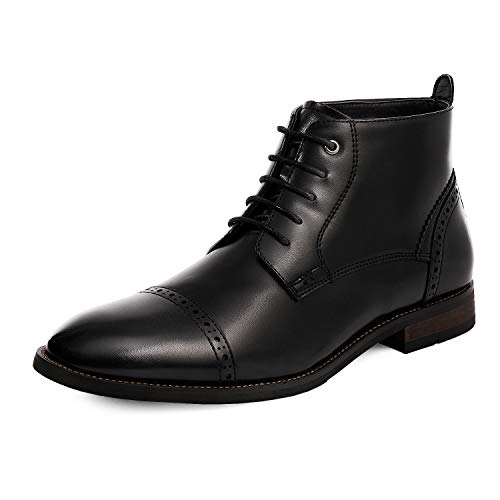
Bruno Marc Men's Dress Ankle Boots Cap Toe Oxford Boot,Black,11 | Cushioned Insole, Stitch Reinforced, Non-slip Durable Rubber Outsole, for Business, Party & Daily Wear
Check price on Amazon
AMAPO Men Oxford Derby Boots,Comfort Casual Dress Boot for Men,Buckle Lace-Up Side Zipper(A20707-BRN-45)
Check price on Amazon
Amazon Essentials Women's Lace-Up Combat Ankle Boots with Side Zipper, Lug Sole, Brown, 9
Check price on Amazon
ArcBrothers Men's Genuine Leather Dress Boots – Classic Brogue Oxford Ankle Boot,Coffee,11.5
Check price on Amazon
Skechers Men's Tom Cats Utility Shoe, Black, 11
Check price on Amazon
SUREWAY Men's Genuine Leather Dress Boots Classic Oxford Ankle Boot | Lace up Slip on Chukka Boots Classic Comfort Oxford Style Footwear
Check price on Amazon