
The Ultimate Guide to Duck Boots for Men
Master the wet weather with confidence. From classic Maine hunting shoes to modern urban styles, discover how to choose, wear, and care for the most versatile waterproof boots you'll ever own.
View Top PicksFew pieces of footwear bridge the gap between rugged utility and everyday style as seamlessly as the duck boot. Originally designed for hunters navigating the muddy, wet terrain of the Northeast, this iconic silhouette has evolved into a staple for anyone facing rain, sleet, or snow. For men, a quality pair of duck boots is more than just footwear—it's a reliable tool that keeps you dry, warm, and sure-footed when the weather turns nasty.
However, not all duck boots are created equal. The market is flooded with options ranging from $50 budget models to $300+ heritage brands. The key to finding your perfect pair lies in understanding the construction, materials, and the specific demands of your daily life. This guide will walk you through everything you need to know before you buy, ensuring your next purchase is an investment in comfort and durability.
What Exactly Are Duck Boots? A Closer Look
The term "duck boot" is often used interchangeably with "bean boot" (a nod to L.L.Bean, the company that popularized the style). The design is deceptively simple: a rubber bottom that extends up to the ankle, vulcanized to a leather upper. The rubber provides a waterproof barrier against puddles, slush, and mud, while the leather upper allows your foot to breathe and provides a secure, comfortable fit around the ankle and calf.
The origins of the duck boot trace back to Leon Leonwood Bean, who founded L.L.Bean in 1912. He created a boot that combined a leather upper with a rubber bottom to prevent wet feet while hunting. The design was so effective that it became a cultural icon. Today, the style has been adopted by countless brands, resulting in a wide variety of interpretations, from classic Bean Boots to modern tactical versions.
When you're shopping for duck boots, you'll often encounter the term "gum boots" or "gumboots." While these terms can refer to any rubber boot, they are frequently used to describe the classic duck boot style. For a deeper dive into the world of rubber footwear, you can explore our guide to gumboots.
Key Features to Evaluate Before Buying
Walking into a store or browsing online, duck boots can look very similar. But the details make all the difference in performance, longevity, and comfort. Here are the critical components to examine:
1. Waterproofing and Construction
The rubber lower is the first line of defense. Look for boots where the rubber is seamlessly bonded to the upper. A common point of failure is the seam where the rubber meets the leather. High-quality brands use vulcanization (a heat and pressure process) to create a permanent, waterproof bond. Cheaper models may use glue that can crack over time. The height of the rubber also matters. A taller rubber shell (e.g., 8 inches) provides more protection in deep puddles, while a shorter shell offers more flexibility for everyday wear.
2. Insulation and Lining
Duck boots are available in unlined, lightly lined, and heavily insulated versions. The right choice depends on your climate and intended use.
- Unlined: Best for mild, rainy weather or for wearing with thick socks. They are the most versatile and can be worn year-round.
- Lightly Lined: Often lined with a thin layer of fleece or flannel. Great for cool autumn and spring days.
- Insulated: Features materials like Thinsulate, felt, or shearling. These are designed for winter conditions. If you need serious warmth, look for boots rated for specific temperature ranges (e.g., -20°F). You can also find dedicated waterproof snow boots that offer similar protection with even more insulation.
3. The Outsole and Traction
The outsole is where the rubber meets the road (or trail). The classic duck boot features a chain-tread pattern, which provides excellent traction in mud and snow. However, for icy conditions, you'll want a deeper, more aggressive lug pattern. Some modern versions feature Vibram or other high-performance soles for enhanced grip on slippery surfaces.
4. Fit and Sizing
Duck boots are notorious for their unique fit. Because they are often worn with thick socks, many men choose to size down by a half or full size from their regular shoe size. The rubber shell doesn't stretch, so a precise fit is crucial. If you're between sizes or have wide feet, consider a boot with a wider toe box. For a broader look at comfortable options, you might find our guide to comfortable boots helpful.
| Feature | What to Look For | Why It Matters |
|---|---|---|
| Rubber Shell Height | 6" to 12" | Higher = more puddle protection; Lower = more flexibility |
| Upper Material | Full-grain leather, Nubuck, or Synthetic | Leather is durable and molds to your foot; Synthetic is lighter and easier to clean |
| Insulation | Thinsulate, Fleece, Shearling, or None | Determines warmth; critical for winter vs. all-season use |
| Outsole | Chain-tread, Lug, or Vibram | Affects traction on mud, snow, and ice |
| Lacing System | D-rings, Speed Hooks, or Standard Eyelets | Impacts ease of on/off and adjustability |
Types of Duck Boots for Men
While the classic silhouette remains popular, the category has expanded to cater to different activities and style preferences. Here are the main types you'll encounter:
Classic/Heritage Duck Boots
These are the original designs, characterized by a leather upper, rubber bottom, and chain-tread outsole. They are often made in the USA and feature premium materials. They are ideal for casual wear, light hiking, and everyday wet weather. They pair perfectly with jeans and a flannel shirt. If you love the look of a brown leather boot, you'll appreciate the heritage aesthetic of a classic duck boot.
Insulated Winter Duck Boots
These are built for cold climates. They feature thick insulation, sometimes a removable liner, and a more aggressive outsole for snow and ice. They are bulkier but offer superior warmth. If you need a boot for deep winter, this is the category to focus on. For extreme conditions, you might also consider a dedicated waterproof winter boot.
Lightweight/Everyday Duck Boots
These are designed for urban commuters and casual wear. They often use synthetic materials instead of leather to reduce weight and cost. They are less durable than their leather counterparts but are easier to clean and more affordable. They are a great choice for walking the dog or running errands in the rain. For those who prefer a more streamlined profile, a comfortable work boot might also be a good option.
Hunting/Outdoor Performance Duck Boots
These are specialized for hunters and outdoor enthusiasts. They often feature scent-control linings, extra insulation, and specialized outsoles for maximum traction on uneven terrain. They are built to withstand the rigors of the field. If you're an avid hunter, you might also be interested in our guide to wading boots for waterfowl hunting.
How to Style Duck Boots for Men
Duck boots have transcended their utilitarian roots to become a fashion staple. The key to styling them well is to balance their rugged, bulky nature with the rest of your outfit.
Casual & Everyday
The classic pairing is with dark denim jeans and a flannel or chunky sweater. The contrast between the refined leather upper and the rugged rubber bottom adds visual interest. You can also pair them with chinos and a quarter-zip pullover for a smart-casual look. If you're looking for a more refined leather option for casual wear, a leather Chelsea boot could be a great alternative, but for wet weather, duck boots are unbeatable.
Outdoor & Adventure
When heading into the woods, pair your duck boots with technical outdoor pants or hiking pants. They provide the necessary protection and traction for trails and campsites. If you're planning a hike, you might want to compare them with dedicated lightweight hiking boots, which offer more ankle support and breathability for strenuous activity.
Smart Casual
Can you wear duck boots with a blazer? Absolutely, if done correctly. Stick to a slim-fitting, unstructured blazer and pair it with dark, tailored jeans or chinos. The key is to keep the rest of the outfit clean and modern to avoid looking frumpy. A leather boot for women can offer a similar smart-casual vibe, but for men, the duck boot is a unique, rugged alternative.
Ready to Find Your Perfect Pair?
We've compiled a list of the best-selling and top-rated duck boots for men, based on real customer reviews and expert analysis. From budget-friendly to premium heritage brands, find the one that fits your lifestyle.
Shop Recommended Duck BootsCare and Maintenance for Longevity
To get the most out of your duck boots, a little maintenance goes a long way. The rubber lower is easy to clean with soap and water. The leather upper, however, requires some attention.
- Cleaning: Wipe off mud and dirt with a damp cloth. For leather, use a dedicated leather cleaner and a soft brush.
- Conditioning: Apply a leather conditioner a few times a year to keep the leather supple and prevent cracking. This is especially important if you wear them in dry, cold conditions.
- Waterproofing: While the rubber is waterproof, the leather seam and upper can absorb water. Apply a waterproofing spray or wax specifically designed for leather boots.
- Drying: Never dry your boots near a direct heat source (like a radiator or fire), as this can crack the rubber and leather. Air dry them at room temperature, stuffing them with newspaper to absorb moisture and maintain their shape.
- Storage: Store your boots in a cool, dry place. Avoid leaving them in a hot car or damp basement. Using a boot stretcher can help maintain their shape when not in use.
By following these simple steps, you can extend the life of your duck boots for many seasons. For more detailed instructions, refer to our comprehensive guide on boot care and maintenance.
What to Expect to Pay
The price of duck boots varies widely based on brand, materials, and construction. Here's a general breakdown of what you can expect to spend:
- Budget ($50–$100): Synthetic uppers, basic rubber shells, and limited insulation. Good for occasional use.
- Mid-Range ($100–$200): Leather uppers, better insulation, and improved outsoles. A great balance of quality and value for most people.
- Premium ($200–$350+): Heritage brands, full-grain leather, American-made craftsmanship, and superior materials. These are built to last for decades.
When you consider cost-per-wear, a premium pair often ends up being more economical in the long run. A $250 pair of boots worn for 10 years costs $25 per year, while a $80 pair that lasts two years costs $40 per year.
Frequently Asked Questions
Are duck boots good for hiking?
They can be, depending on the terrain. For flat, muddy trails or wet conditions, they are excellent. However, for steep, rocky, or long-distance hikes, a dedicated hiking boot offers better ankle support, breathability, and a more specialized outsole. For more serious hikes, consider our guide to waterproof hiking boots (the principles apply to men's models as well).
How should duck boots fit?
They should fit snugly in the heel and midfoot, with enough room in the toe box to wiggle your toes. Because they are often worn with thick socks, many men size down by a half size. If you have wide feet, look for brands that offer wide widths. You can also use a boot stretcher to customize the fit.
Can I wear duck boots in the snow?
Yes, especially insulated models. The rubber bottom keeps your feet dry, and the insulation provides warmth. However, for deep snow or extreme cold, you may want a boot with a higher rubber shell and more aggressive traction. For the best winter options, see our guide to waterproof snow boots.
Are duck boots waterproof?
The rubber lower is 100% waterproof. The leather upper is water-resistant but not fully waterproof unless treated. Over time, water can seep through the seams or the leather itself if it's not properly maintained. Regular conditioning and waterproofing can mitigate this.
What is the difference between duck boots and bean boots?
"Bean boot" is a specific brand name (L.L.Bean), while "duck boot" is the generic term for the style. All Bean boots are duck boots, but not all duck boots are Bean boots. Many other brands, like Sorel, Kamik, and Sperry, make excellent duck boots.
Top-Rated Duck Boots for Men
⚠️ AFFILIATE DISCLOSURE: This website contains affiliate links. As an affiliate Associate, we earn from qualifying purchases. If you make a purchase through these links, we may receive a small commission at no additional cost to you. Read our full affiliate policy.
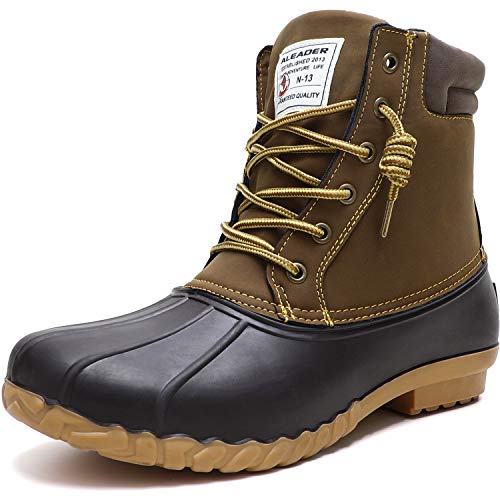
ALEADER Duck Boots Men Insulated Waterproof Winter Rain Boots Cold Weather Snow Boots Tan 11 US
Check price on Amazon
Bruno Marc Men's Insulated Waterproof Snow Boots,Brown/Yellow,11 | 200g insulation retains heat to -25°F; sealed build keeps feet dry; rubber outsole boosts grip; durable upper resists wear
Check price on Amazon
CKWLXQY Men's Deck Boots, Waterproof Non-Slip Ankle Rain Boots for Fishing | Waterproof rubber ankle boots with non-slip traction for fishing, gardening, farming, boating and wet outdoor work.
Check price on Amazon
Jambu Men Milford Duck Boots, Tan, 10
Check price on Amazon
John Deere Respected Swamper Hands Free Slip-Ins
Check price on Amazon
Guide Gear Men’s Side Zip Insulated Leather Duck Boots, Winter Boots for Men, Waterproof Rain Shoes, 400 Gram Tan 10D (Medium)
Check price on Amazon