
Waterproof Snow Boots: The Complete Winter Buying Guide
Keep your feet warm, dry, and confident all winter long. Learn how to choose the perfect waterproof snow boots for your climate, activity level, and style preferences.
SEE TOP PICKS ↓Why waterproof snow boots matter: Wet feet in freezing temperatures are not just uncomfortable—they can lead to numbness, blisters, and even early signs of frostbite. A proper pair of waterproof snow boots combines insulation, traction, and moisture protection to keep you active and safe throughout the coldest months. This guide breaks down everything you need to know before buying.
Best Waterproof Snow Boots for Winter
⚠️ AFFILIATE DISCLOSURE: This website contains affiliate links. As an affiliate Associate, we earn from qualifying purchases. If you make a purchase through these links, we may receive a small commission at no additional cost to you. Read our full affiliate policy.

SHIBEVER Women's Winter Snow Boots: Waterproof Fur-Lined Ankle Booties | All-Day Warmth Anti-Slip Comfortable Outdoor Walking Boots with Side Zipper for Cold Weather Black Size 8
Check price on Amazon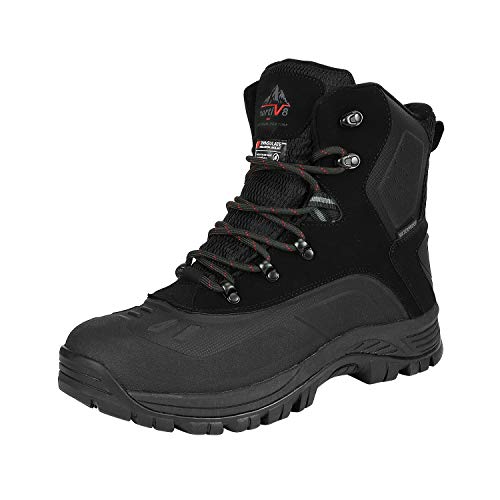
NORTIV 8 Men's Waterproof Hiking Winter Snow Boots,Black/1,10.5
Check price on Amazon
HOBIBEAR Women's Waterproof Winter Snow Boots Lightweight Warm Faux Fur Lined Mid-Calf Booties(Grey/New,6.5
Check price on Amazon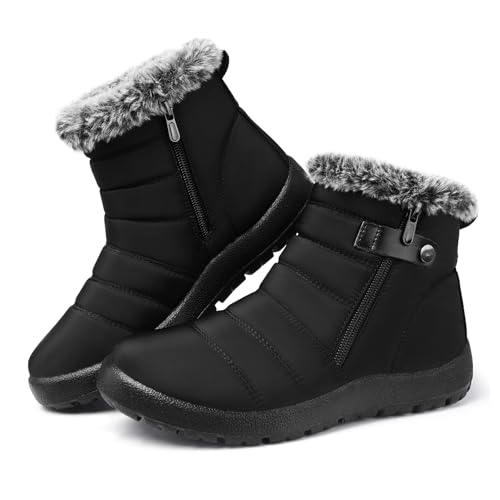
SHIBEVER Winter Boots for Women Snow: Warm Waterproof Non Slip Outdoor Boot | Black Fur Lined Ankle Boots Warm for All-Day Commute - Comfortable Cold Weather Non Slip Walking No Foot Fatigue Size 8
Check price on Amazon
HOBIBEAR Women's Waterproof Winter Snow Boots Lightweight Warm Faux Fur Lined Mid-Calf Booties(Black/New,8
Check price on Amazon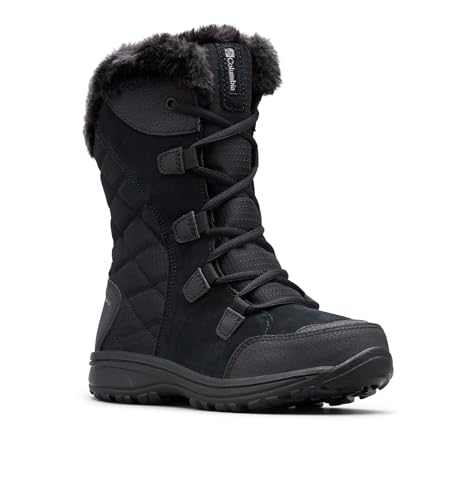
Columbia Womens Ice Maiden II, Black/Columbia Grey, 11 | Why We Like The Columbia Ice Maiden II Boot
Check price on AmazonWhat Makes Snow Boots Truly Waterproof?
Not all winter boots are created equal. Many products labeled "water-resistant" will eventually soak through in slush or heavy snow. True waterproof winter boots use sealed seams, waterproof membranes, and specialized materials to block moisture entirely. Understanding these technologies helps you avoid expensive mistakes.
Waterproof Membranes
Materials like Gore-Tex, eVent, and proprietary waterproof liners allow vapor to escape while blocking liquid water. These breathable membranes are essential if you plan to be active—hiking, shoveling, or walking long distances. Without breathability, sweat builds up inside the boot, making feet cold and damp despite the waterproof exterior.
Sealed Seams
Every seam on a waterproof boot should be taped or sealed. Even tiny stitch holes can let water seep in during extended exposure to wet snow. Look for boots with seamless construction or fully taped internal seams. This is especially important in the foot area where flexing can stress seams over time.
Waterproof Leather & Synthetics
Full-grain leather treated with water-repellent finishes, combined with synthetic waterproof layers, creates a durable barrier. Rubber and polyurethane shells are naturally waterproof but less breathable—best for extreme wet conditions or low-activity use. Many premium boots combine leather uppers with rubber lowers for the best of both worlds.
DWR Treatments
Durable Water Repellent coatings cause water to bead up and roll off the surface. While not permanently waterproof on their own, DWR treatments extend the life of waterproof membranes and keep the exterior from becoming waterlogged, which can reduce breathability and add weight.
Understanding Insulation Ratings
Insulation is measured in grams, and the right rating depends entirely on your climate and activity level. Choosing insulation that is too heavy can cause excessive sweating, while too little leaves feet vulnerable to cold. Use this table as a general guide:
| Insulation Rating | Best For | Temperature Range |
|---|---|---|
| 200g | Mild winters, active use, urban commuting | Down to -10°F / -23°C |
| 400g | Standard winter, moderate activity, daily wear | Down to -25°F / -32°C |
| 600g–800g | Harsh winters, low activity, extended outdoor exposure | Down to -40°F / -40°C |
| 1,000g+ | Extreme cold, stationary activities (ice fishing, winter camping) | Below -40°F / -40°C |
For most people in temperate climates, 200g–400g insulation is ideal. If you live in an area with severe winters or spend hours outdoors without moving much, consider 600g or higher. Pair your boots with quality comfortable boots principles—proper fit and arch support matter just as much as insulation.
Traction: Staying Safe on Ice and Snow
The best waterproofing means nothing if you slip on the first icy patch. Snow boot outsoles need aggressive lug patterns, specialized rubber compounds that stay flexible in freezing temperatures, and often metal studs or grit for traction on ice.
Lug Depth & Pattern
Deep, multi-directional lugs (4mm+) bite into snow and channel away slush. Look for self-cleaning patterns that don't clog easily. Shallow or worn lugs dramatically increase slip risk. For mixed terrain—snow, ice, and pavement—a versatile pattern with a mix of large and small lugs works best.
Rubber Compounds
Standard rubber hardens in cold, losing grip. Winter-specific compounds like Vibram Arctic Grip, Icebug, and proprietary soft rubbers remain pliable below freezing. This is arguably the most important safety feature on any winter boot and often justifies a higher price point.
Heel Brakes & Studs
Some boots include built-in heel brakes or retractable studs for ice. Removable traction devices like crampons or microspikes can be added to any boot for extreme conditions. For everyday wear, a well-designed outsole with a pronounced heel and aggressive tread is usually sufficient.
Flexibility in Cold
A boot that becomes rigid in cold weather reduces natural foot movement and can cause discomfort or falls. Test boots in a freezer if possible, or rely on reputable brands with proven cold-weather performance. Flexible soles also reduce fatigue during long walks.
Getting the Right Fit for Winter Boots
Winter boots fit differently than regular shoes. You need room for thick socks, but too much space causes blisters and poor circulation. Here is what to keep in mind:
Winter Boot Fit Checklist
- Size up: Typically half a size larger than your normal shoes to accommodate thicker socks and prevent toe compression.
- Heel lock: Your heel should stay firmly in place without lifting. A slipping heel causes friction blisters on long walks.
- Toe room: You should be able to wiggle your toes freely. Toes need space to move for warmth—compressed toes get cold faster.
- Width matters: If you have wide feet, look for wide-width options. Narrow boots restrict circulation and reduce insulation effectiveness.
- Test with socks: Always try boots on with the socks you plan to wear. Thin dress socks give a very different fit than thick wool socks.
- End-of-day try-on: Feet swell during the day. Shop for boots in the afternoon or evening for the most accurate fit.
- Lacing system: Adjustable laces or BOA systems let you fine-tune fit. Quick hooks and speed laces make it easier to get a secure fit with gloves on.
If you have specific foot health concerns like plantar fasciitis or need extra arch support, explore boots designed for arch support or consider adding aftermarket insoles. A proper fit is the foundation of warmth and comfort.
Materials and Construction: What to Look For
The materials used in a snow boot determine its weight, durability, breathability, and overall performance. Here is a breakdown of common options:
| Material | Pros | Cons | Best Use |
|---|---|---|---|
| Full-Grain Leather | Durable, breathable, ages well | Needs treatment, heavier | Urban, casual, moderate winter |
| Nubuck/Suede | Soft, stylish, good breathability | Requires waterproofing, stains easily | Light winter, fashion-forward |
| Rubber/PU Shell | 100% waterproof, easy to clean | Less breathable, can be heavy | Extreme wet, slush, work |
| Synthetic Textiles | Lightweight, quick-drying, affordable | Less durable, can retain odor | Active use, travel, budget |
| Insulated Liners | Removable, washable, customizable warmth | Can shift, add bulk | All winter boots |
Types of Waterproof Snow Boots
Different activities and environments call for different boot designs. Here are the main categories:
Winter Hiking Boots
Built for active use with breathable waterproof membranes, aggressive traction, and moderate insulation. Often feature crampon compatibility. Ideal for snowy trails and winter backpacking. Prices range from $120 to $350.
$120–$350Urban & Casual Snow Boots
Style-focused with reliable waterproofing and 200g–400g insulation. Great for commuting, errands, and everyday wear. Often feature leather or suede uppers. Prices range from $80 to $250.
$80–$250Extreme Cold & Expedition Boots
Rated for -40°F and below with 600g–1,000g+ insulation, removable liners, and heavy-duty soles. Used for arctic exploration, ice fishing, and winter camping. Prices range from $200 to $800+.
$200–$800+Kids' Snow Boots
Lightweight, easy to put on, with adjustable closures and moderate insulation. Waterproofing is critical for playing in snow. Look for removable liners for easy drying. Prices range from $40 to $120.
$40–$120For families, investing in quality kids winter boots prevents tears and keeps little feet warm. For women seeking versatile winter footwear, tall boots for women offer extended coverage and style.
Caring for Your Waterproof Snow Boots
Proper maintenance extends the life of your boots and preserves their waterproofing. Follow these simple steps:
Snow Boot Care Essentials
- Clean after each use: Rinse off salt, mud, and slush with cool water. Salt stains can permanently damage leather and synthetic materials.
- Air dry only: Never use direct heat (radiators, hair dryers, fireplaces) as it can crack leather and damage waterproof membranes. Stuff with newspaper to absorb moisture.
- Re-waterproof regularly: Apply DWR sprays or wax treatments designed for your boot material. This is especially important for leather and suede boots.
- Store properly: Keep boots in a cool, dry place. Avoid plastic bags that trap moisture. Use boot trees or stuff with paper to maintain shape.
- Check for wear: Inspect soles, seams, and waterproof membranes annually. Small cracks or separations can compromise waterproofing.
- Use a boot dryer: For heavily used boots, a gentle boot dryer removes moisture from the inside without damaging materials. Look for dryers with adjustable heat settings.
If your boots need repair—like a separated sole or broken zipper—address it immediately. Visit our guide to boot care and maintenance for detailed instructions. Proper care can double the lifespan of your investment.
What to Expect at Different Price Points
Waterproof snow boots range from budget-friendly to premium expedition gear. Here is what you get at each level:
| Price Range | What You Get | Best For |
|---|---|---|
| $40–$80 | Basic waterproofing, 200g insulation, simple rubber or synthetic uppers | Occasional wear, mild winters, kids |
| $80–$150 | Reliable waterproof membranes, 200g–400g insulation, better traction | Daily winter wear, commuting, light hiking |
| $150–$250 | Premium materials, advanced waterproofing, superior traction, 400g–600g insulation | Active winter use, harsh climates, style-conscious buyers |
| $250–$500+ | Expedition-grade, extreme cold rated, specialized outsoles, premium construction | Arctic conditions, professional use, serious winter sports |
For most people, the $100–$200 range offers the best balance of performance, durability, and value. If you need boots for extreme conditions, spending more is justified by superior safety and warmth. For casual winter use, a well-made mid-range boot is more than sufficient.
Frequently Asked Questions
Final Thoughts: Choosing Your Perfect Winter Boots
The right waterproof snow boots transform winter from a season of discomfort into one of enjoyment. Prioritize waterproofing, insulation appropriate for your climate, and reliable traction—these three factors matter more than brand names or style alone. A proper fit ensures warmth and prevents blisters, so take time to try boots on with the socks you'll actually wear.
Whether you need rugged boots for winter hiking, stylish options for city commuting, or extreme-cold protection for outdoor work, there is a perfect pair for you. Use the product recommendations above as your starting point, read reviews from real users, and invest in quality that will serve you for seasons to come. Your feet will thank you.
For more winter footwear guidance, explore our related guides on shoes for winter and waterproof hiking boots for women.