
Wading Boots: The Complete Buying Guide for Anglers
Everything you need to know about choosing the right wading boots for fly fishing, river crossings, and wet wading. Compare felt vs rubber soles, find your perfect fit, and step confidently into any water.
START YOUR RESEARCHWhy Wading Boots Matter: A good pair of wading boots is not just an accessory—it is your primary safety equipment on the water. The right boots provide traction on slippery rocks, protect your feet from debris, and keep you comfortable during long days of fishing. This guide will help you make an informed decision before you buy.
What Are Wading Boots and Why Do You Need Them?
Wading boots are specialized footwear designed for anglers who need to navigate rivers, streams, and coastal waters. Unlike regular hiking boots or walking boots, wading boots are engineered to perform in wet, slippery environments. They are typically worn over neoprene stockingfoot waders or with wet-wading socks, and they feature drainage systems, reinforced toe caps, and specialized soles for aquatic traction.
Whether you are fly fishing in a rocky mountain stream, surf fishing on a sandy beach, or navigating a muddy riverbank, the right wading boots will keep you stable, safe, and focused on the fish—not your footing. If you are new to fishing footwear, it helps to understand the difference between fish boots and dedicated wading boots: fish boots are often shorter and designed for boat decks or wet surfaces, while wading boots are built for immersion and uneven riverbeds.
Best Wading Boots for Fishing & Wet Wading
⚠️ AFFILIATE DISCLOSURE: This website contains affiliate links. As an affiliate Associate, we earn from qualifying purchases. If you make a purchase through these links, we may receive a small commission at no additional cost to you. Read our full affiliate policy.

FROGG TOGGS Men's Hellbender Waterproof Fishing Wading Boot for Fishing in Felt or Cleated, Cleated, 11
Check price on Amazon
FROGG TOGGS Men's Aransas II Neoprene Surf & Sand Waterproof Fishing Wading Boot for Fishing, Grey, 12
Check price on Amazon
Korkers Greenback Wading Boots - Packed with The Essentials - Includes Interchangeable Felt and Kling-On Soles - Size 10
Check price on Amazon
Foxelli Wading Boots – Lightweight Fly Fishing Boots for Men, Rubber Sole Wading Shoes
Check price on Amazon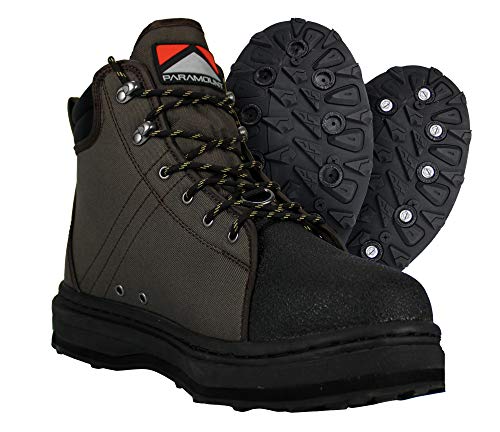
Paramount Outdoors Stonefly Cleated Sole Wading Boot, Rubber Bottom Wading Shoe (12)
Check price on Amazon
Simms Men's Freestone Boot - Rubber Gunmetal 11 | Neoprene Lined, Lightweight, Scratch Resistant
Check price on Amazon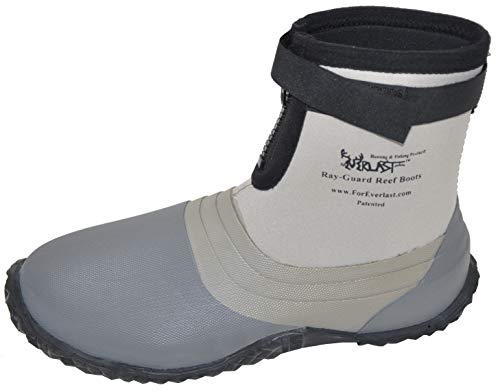
ForEverlast Ray-Guard Reef Wading & Fishing Boots Generation II for Men and Women, Grey, Size 10, Hard Soled Vulcanized Rubber Bottom, Neoprene, Lightweight, Waterproof (YQLJg1009YUsMa)
Check price on Amazon
Korkers Men's Chrome Lite Wading Boot w/Fixed Kling-On Rock Soles - Size 12
Check price on AmazonHow to Choose the Right Wading Boots
Selecting wading boots is a personal decision that depends on your fishing environment, wader type, and budget. The three most critical factors are sole material, fit, and construction. Let us break each one down so you can shop with confidence.
1. Felt vs Rubber Soles: The Great Debate
The sole of your wading boot is the single most important feature for traction. For years, felt soles were the gold standard for gripping mossy rocks and slick riverbeds. However, felt has been banned in several states and countries because it can transport invasive species and algae between waterways. Rubber soles with aggressive tread patterns and optional studs have become the modern alternative.
| Feature | Felt Soles | Rubber Soles |
|---|---|---|
| Traction on wet rocks | Excellent (when new) | Good to excellent (with studs) |
| Durability | Wears out faster | Long-lasting |
| Invasive species risk | High (absorbs and carries organisms) | Low (easy to clean) |
| Legal status | Banned in some regions | Generally permitted |
| Best for | Mossy, slick riverbeds | All-around use, travel, and mixed terrain |
2. Sizing and Fit
Wading boots are almost always sized larger than your regular shoes to accommodate the neoprene stockingfoot of your waders. A common rule is to order one size larger than your street shoe size. If you wear thick boot socks or use heavy neoprene waders, you may need to go up two sizes. Always check the manufacturer's sizing chart and read reviews from other anglers who have similar wader setups.
Your toes should not touch the front of the boot, and your heel should not slip when you walk. A proper fit prevents blisters, improves circulation, and gives you better control on uneven ground. If you have wide feet, look for boots with a roomy toe box or specifically wide sizing options.
3. Construction and Materials
Quality wading boots use synthetic leather, leather, or durable mesh uppers. Synthetic materials dry faster and are easier to clean, while leather offers better durability and abrasion resistance. Look for reinforced toe caps and heel counters to protect against rocks and debris. Drainage ports are essential—they allow water to escape so your boots do not become heavy and waterlogged.
Weight is another consideration. Lighter boots are easier to walk in for long distances, but they may sacrifice durability. Heavier boots offer more support and protection but can tire your legs faster. Choose based on how far you typically hike to your fishing spots.
Wet Wading vs. Wader Boots: What's the Difference?
Wet wading means fishing without waders, usually in warm weather or shallow water. For wet wading, you wear quick-drying pants or shorts and a pair of wading boots with neoprene socks or gravel guards. The boots need to be comfortable against bare skin or thin socks, and they should drain quickly.
Wader boots, on the other hand, are designed to be worn over stockingfoot waders. They are typically heavier and more structured because they need to support the wader's neoprene foot and provide a secure fit. If you plan to do both, look for boots that work well in both scenarios—many modern designs are versatile enough for wet wading and wader use.
If you are looking for footwear for other water-based activities, you might also consider deck boots for boating or gumboots for general wet-weather chores. However, neither offers the specialized traction and drainage of true wading boots.
How to Care for Your Wading Boots
Proper maintenance extends the life of your wading boots and helps prevent the spread of invasive species. After every trip, rinse your boots with fresh water to remove mud, sand, and debris. If you have felt soles, inspect them for any plant matter or organisms and clean them thoroughly. Dry your boots in a cool, shaded area—never in direct sunlight or near a heater, as this can crack the soles and damage the uppers.
For rubber soles, use a stiff brush to clean the treads. If your boots have removable studs, check them regularly and replace any that are worn or missing. Applying a conditioner to leather uppers can keep them supple and prevent cracking. Store your boots in a dry, ventilated place, and consider using boot storage covers to protect them from dust and moisture.
Frequently Asked Questions About Wading Boots
Can I use regular hiking boots for wading?
While you can physically wear hiking boots in the water, they are not designed for it. They lack drainage, dry slowly, and provide poor traction on wet rocks. Using dedicated wading boots is safer and more comfortable. If you need footwear for both hiking and light water crossings, consider waterproof hiking boots for women or men's versions—but understand they are a compromise, not a replacement for true wading boots.
Are wading boots true to size?
No. Wading boots are generally sized to accommodate waders, so you should order at least one size larger than your normal shoe size. Always consult the specific brand's sizing chart and read customer reviews for guidance.
Do I need studs on my wading boots?
Studs are optional but highly recommended for slippery environments. They provide extra grip on mossy rocks and slick surfaces. However, they can be noisy and may scratch boat decks or delicate surfaces. If you fish from a boat or in areas with smooth rock, you may prefer stud-free rubber soles.
How long do wading boots last?
With proper care, a good pair of wading boots can last 3–5 years or more, depending on how often you fish and the terrain you fish in. Felt soles tend to wear out faster than rubber soles. Inspect your boots regularly for signs of wear, especially the soles and stitching.
Final Thoughts: Invest in Comfort and Safety
Wading boots are one of the most important pieces of gear for any angler who spends time in the water. They protect your feet, keep you stable on slippery surfaces, and allow you to focus on fishing rather than worrying about falling. When choosing your pair, prioritize fit, sole type, and construction quality. Consider where you fish most often and what kind of terrain you encounter.
If you are also looking for footwear for other outdoor activities, you might explore our guides on comfortable boots for all-day wear, or men's brown boots for casual style. For winter fishing or cold-weather adventures, waterproof winter boots can keep your feet warm and dry when you are not in the water.
Remember: the best wading boots are the ones that fit you well, match your fishing environment, and keep you safe. Use this guide to make an informed decision, and enjoy every moment on the water.