


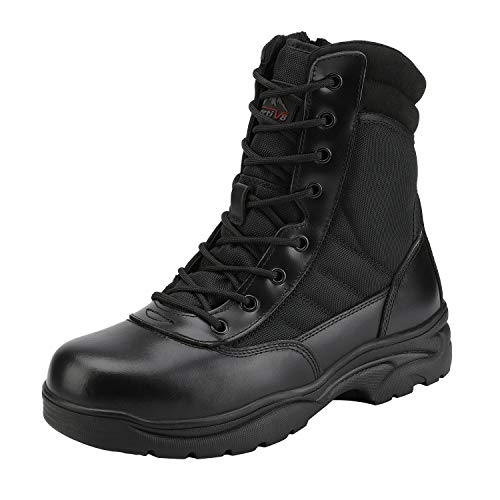


The Anatomy of a Comfortable Work Boot
When you're on your feet for 8, 10, or even 12 hours a day, the difference between a good work boot and a great one comes down to engineering. It's not just about soft leather; it's about a system of support. The most comfortable work boots combine a cushioned midsole, a supportive shank, and a properly designed last (the foot-shaped mold the boot is built around). Without these, you risk foot pain, knee strain, and lower back issues.
1. Cushioning and Shock Absorption
The midsole is the heart of comfort. Materials like polyurethane (PU) and EVA foam are common, but the best boots often use a dual-density or gel-infused midsole. This design provides softness under the heel for impact absorption and a firmer feel under the ball of the foot for stability. For those who walk on hard concrete or uneven terrain, a boot with a shock-absorbing heel is non-negotiable. If you need extra protection, consider options with a composite toe, which are often lighter than traditional steel toes and reduce foot fatigue.
2. Arch Support and Stability
A boot without proper arch support is like a house without a foundation. Look for boots with a built-in shank, a rigid piece between the insole and outsole that provides torsional stability. For those with specific foot health needs, such as plantar fasciitis, a boot with a removable footbed is a game-changer. You can replace the stock insole with a custom orthotic. Our guide to comfortable boots delves deeper into how arch support can transform your workday. A boot with a defined heel and a secure lacing system also prevents your foot from sliding, which is a major cause of blisters and toe pain.
3. Breathability and Moisture Management
Hot, sweaty feet are uncomfortable and can lead to fungal issues and blisters. The best work boots for comfort feature breathable linings, such as Gore-Tex or other moisture-wicking membranes. These materials allow sweat vapor to escape while keeping external water out. If you work in a dry environment, an unlined leather boot can also breathe well, but for wet or humid conditions, a waterproof yet breathable membrane is essential. Pairing your boots with moisture-wicking boot socks is a simple but effective way to boost comfort.
4. Weight and Flexibility
A heavier boot forces your leg muscles to work harder with every step. Modern safety boots are now available in lightweight materials like composite toe caps and synthetic uppers, which can significantly reduce weight without compromising protection. A good boot should also flex at the ball of the foot, matching your natural walking motion. A boot that is too stiff can cause heel slippage and arch strain.
5. Fit and Break-In Period
Even the most technologically advanced boot will be uncomfortable if it doesn't fit properly. Your feet can swell during the day, so it's best to try on boots in the afternoon. Ensure there's a thumb's width of space between your longest toe and the front of the boot. A proper break-in period is also crucial. Most high-quality leather boots require a few days to mold to your feet. Using a boot stretcher can help in targeted areas. For more tips, see our boot break-in guide.
Matching Comfort to Your Work Environment
The ideal comfort features depend on your specific job. A construction worker on concrete needs maximum shock absorption and a supportive shank. An electrician might prioritize electrical hazard protection and a non-metallic toe. A warehouse worker who walks miles a day needs a lightweight, breathable boot with excellent cushioning. For those in wet environments, a duck boot or a waterproof winter boot is essential. Always match the boot's features to your daily tasks and environment.
Investing in a comfortable pair of work boots is an investment in your health and productivity. Don't settle for painful feet. Use this guide to find the perfect blend of protection, durability, and all-day comfort.