
Lightweight Hiking Boots: Your Ultimate Guide to Speed & Comfort
Discover how lightweight hiking boots can transform your trail experience. We break down materials, fit, and top recommendations to help you move faster and go further.
View Top PicksWhy Lightweight Hiking Boots? Every ounce counts on the trail. Lightweight hiking boots reduce fatigue, improve agility, and let you cover more ground with less effort. Whether you're a fastpacker, day hiker, or weekend warrior, choosing the right pair can make all the difference.
What Are Lightweight Hiking Boots?
Lightweight hiking boots are designed to offer the perfect balance of protection, support, and minimal weight. Unlike traditional heavy leather boots, these modern designs use advanced synthetic materials, mesh panels, and streamlined construction to shed ounces without sacrificing performance. They typically weigh between 1 and 2 pounds per boot, compared to 3 to 4 pounds for traditional hiking boots.
If you are looking for versatility across different terrains, you might also want to explore our guide to walking boots, which shares many characteristics with lightweight hikers. For those who need extra weather protection, our article on waterproof hiking boots for women covers the best options available.
Key Benefits of Lightweight Hiking Boots
🚀 Reduced Fatigue
Lighter boots mean less energy expended with every step. Studies show that carrying less weight on your feet can reduce overall fatigue by up to 30%, allowing you to hike longer and farther.
⚡ Improved Agility
Lightweight boots allow for quicker, more precise foot placement. This is especially important on technical terrain, where responsiveness can mean the difference between a confident step and a misstep.
🌬️ Better Breathability
Most lightweight boots feature mesh uppers and moisture-wicking liners. This keeps your feet cooler and drier, reducing the risk of blisters and hot spots during long hikes.
👟 Faster Break-In
Synthetic materials and modern construction mean lightweight boots typically require minimal break-in time. You can take them out of the box and hit the trail with confidence.
Pros and Cons of Lightweight Hiking Boots
✓ Pros
- Less fatigue on long hikes
- Quick break-in period
- Excellent breathability
- Agile and responsive on trails
- Often more affordable than heavy leather boots
- Versatile for multiple activities
✗ Cons
- Less durability than full leather
- Less ankle support on rough terrain
- May not handle heavy loads as well
- Water resistance can diminish over time
Top-Rated Lightweight Hiking Boots
⚠️ AFFILIATE DISCLOSURE: This website contains affiliate links. As an affiliate Associate, we earn from qualifying purchases. If you make a purchase through these links, we may receive a small commission at no additional cost to you. Read our full affiliate policy.

SHULOOK Men's Waterproof Hiking Boots Non-Slip Lightweight Mid Top Ankle Boot Breathable Hiker Trekking Shoes
Check price on Amazon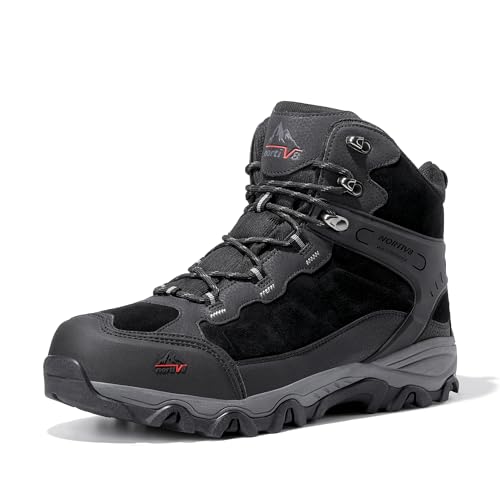
NORTIV 8 Men's Waterproof Lightweight Hiking Boots,Black,10.5 | Mid Top Suede Hiking Boots for Outdoor Trekking, Camping and Mountaineering Paladin
Check price on Amazon
Columbia Womens Newton Ridge Plus Waterproof Amped, Stratus/Canyon Rose, 8
Check price on Amazon
NORTIV 8 Men's Ankle High Waterproof Hiking Boots,Taupe-Suede,10 | Outdoor Lightweight Hiking Boots for Camping, Trekking and Mountaineering Armadillo
Check price on Amazon
NORTIV 8 Men's Waterproof Lightweight Hiking Boots,Sand,9.5 | Mid Top Suede Hiking Boots for Outdoor Trekking, Camping and Mountaineering Paladin
Check price on Amazon
Columbia Men's Transverse Waterproof Hiking Boot | Fully Waterproof, High Traction, Lightweight, Wide Fit Available
Check price on Amazon
NORTIV 8 Women's Lightweight Ankle Hiking Boots Backpacking,Light Grey,8.5 | Waterproof Hiking Walking Trekking Work Camping Comfortable Slip-Resistant Outdoor Boots
Check price on Amazon
Women's Waterproof Hiking Boots Lightweight Non-Slip Outdoor 7.5, Beige | Breathable lining, arch support, cushioned for long-distance hikes
Check price on AmazonHow to Choose the Perfect Lightweight Hiking Boots
Selecting the right pair involves understanding your hiking style, terrain, and personal preferences. Here are the key factors to consider:
1. Weight
The defining feature of these boots is their weight. Look for pairs under 2 pounds per boot. Ultralight options can weigh as little as 1 pound per boot, while more supportive models may reach 1.8 pounds. Consider your load: if you carry a heavy pack, a slightly heavier boot may provide better stability.
2. Material and Construction
Lightweight boots typically use synthetic leather, mesh, and textile uppers. These materials dry faster and breathe better than full-grain leather. Look for reinforced toe caps and heel counters for durability. If you need something more rugged for wet conditions, you might consider waterproof snow boots, though they are designed for different purposes.
3. Ankle Support
Lightweight boots offer varying levels of ankle support. Mid-cut designs provide a good balance between freedom of movement and stability. Low-cut models are essentially trail runners with added protection. Choose based on your terrain and personal preference for ankle coverage.
4. Sole and Traction
The outsole is critical for grip on varied terrain. Look for aggressive lugs (4-6mm) and sticky rubber compounds. Brands like Vibram are known for their reliable traction. For those who hike in wet conditions, consider boots with specialized wet-traction outsoles.
5. Fit and Comfort
Proper fit is essential. Your heel should be locked in place, and there should be about a thumb's width of space between your longest toe and the front of the boot. Consider aftermarket insoles for additional arch support and cushioning. If you need extra comfort, check out our guide to comfortable boots for more tips.
Lightweight vs. Traditional Hiking Boots
| Feature | Lightweight Boots | Traditional Boots |
|---|---|---|
| Weight (per boot) | 1–2 lbs | 3–4 lbs |
| Material | Synthetic, mesh | Full-grain leather |
| Break-In Time | Minimal (days) | Extended (weeks) |
| Ankle Support | Moderate | High |
| Durability | Good | Excellent |
| Best For | Day hikes, fastpacking | Heavy loads, rugged terrain |
| Price Range | $100–$200 | $200–$400+ |
Caring for Your Lightweight Hiking Boots
Proper care extends the life of your investment. Here are essential tips:
- Clean after each hike: Remove dirt and mud with a soft brush and cool water.
- Air dry: Never use direct heat. Stuff with newspaper and let them dry at room temperature.
- Re-waterproof: Apply a spray-on or wash-in waterproofing treatment regularly, especially before wet seasons.
- Check soles: Inspect for wear and replace when traction diminishes.
- Store properly: Keep in a cool, dry place away from direct sunlight. Consider using a boot stretcher to maintain shape.
Frequently Asked Questions
Related Guides
Waterproof Hiking Boots for Women
Explore the best waterproof options designed specifically for women's feet, ensuring dry and comfortable hikes in any weather.
Read More →Walking Boots: Comfort for Every Step
Discover how walking boots differ from hiking boots and which style is best for your daily strolls and light trails.
Read More →Comfortable Boots for All-Day Wear
Learn what makes a boot truly comfortable and find recommendations for boots you can wear from morning to night.
Read More →