
Winter Boots for Men: The Complete Guide to Warm, Dry, and Confident Feet
Don't let frostbite or soggy socks ruin your winter. From insulated work boots to sleek city styles, discover how to choose the perfect pair of men's winter boots for any condition.
Explore Top PicksBootsPedia Philosophy: A great winter boot is an investment in comfort and safety. This guide breaks down the technical features—like insulation ratings and outsole compounds—so you can make a confident decision before you buy. Whether you need mens waterproof boots for slushy commutes or heavy-duty work boots for men for outdoor job sites, we've got you covered.
Why Your Standard Boots Aren't Enough for Winter
When the temperature drops, the slush piles up, and the ice forms, your regular footwear becomes a liability. Cold feet lead to discomfort, numbness, and potentially dangerous conditions like frostbite. A dedicated pair of winter boots for men is engineered to address three critical factors: Insulation (trapping body heat), Waterproofing (keeping snow and slush out), and Traction (gripping slippery surfaces). Unlike a fashion boot, a true winter boot is a piece of functional equipment. If you are looking for a more urban, sleek look, you might consider a chelsea boots men style with a lug sole, but for deep snow, you need a specialized build.
The Anatomy of a Winter Boot: Key Features to Evaluate
Before you look at style, you need to understand the specs. Here is what separates a summer boot from a winter warrior:
- Insulation: Look for materials like Thinsulate, PrimaLoft, or felt. Ratings range from 200g (active use, milder winters) to 800g+ (extreme cold, sedentary activities).
- Waterproof Membrane: A breathable membrane (like Gore-Tex or proprietary equivalents) is essential. It lets sweat vapor escape but blocks liquid water. Full-grain leather treated with wax is also excellent, but a membrane is superior for wet snow.
- Outsole: You need a rubber compound that stays soft in freezing temperatures. Look for deep, aggressive lugs. Vibram is a gold standard for winter traction.
- Shaft Height: A higher shaft (8 inches or more) prevents snow from entering the boot when you step into a drift. For deep snow, a tall boots design is necessary.
For those who prefer a classic, durable material, a high-quality pair of mens leather boots with a thick lining can serve as an excellent winter option, provided they are properly treated.
Types of Winter Boots: Finding Your Perfect Match
Not all winter boots are created equal. Your choice depends on your daily routine and the climate you live in.
1. The Urban Commuter / Casual Winter Boot
These boots blend style with function. They typically feature a leather or suede upper, a modest amount of insulation (200g-400g), and a stylish rubber sole. They are perfect for walking from the car to the office or navigating cleared city sidewalks. A brown boots colorway is incredibly versatile and pairs well with jeans or chinos. For a more modern, sleek aesthetic, check out modern boot trends.
2. The Heavy-Duty Pac Boot / Snow Boot
These are the workhorses. They usually consist of a rubber bottom (shell) and a leather or nylon upper with a removable felt liner. They are rated for extreme cold and deep snow. They are bulky but offer unbeatable warmth and dryness. If you need something for serious outdoor work, a duck boots style is a classic choice, or for extreme conditions, look at mens snow boots.
3. The Winter Hiking Boot
If your winter involves active exploration, you need a boot that balances warmth with support. These are often waterproof and feature a stiffer shank for stability on uneven, snow-covered terrain. They are an evolution of hiking boots for men, adapted for cold weather.
4. The Winter Work Boot
For those in construction, landscaping, or outdoor trades, safety is paramount. These boots combine the safety features of a steel toe work boots (or composite toe) with winter insulation and waterproofing. They are built to withstand harsh conditions while protecting your feet.
How to Choose the Right Fit for Winter Boots
Fit is trickier in winter. You need room for thick socks, but you don't want your foot to slide around, which can cause blisters and reduce circulation.
- Size Up (Slightly): Try boots on with the socks you plan to wear. You should have about a thumb's width of space in the toe box. If the boot is too tight, it will cut off circulation, making your feet colder.
- Heel Lock: Your heel should not slip up and down. A proper lacing system can help lock your heel in place.
- Break-In: Leather boots may need a break-in period. Always check our break-in guide to avoid pain.
Caring for Your Winter Boots: Make Them Last
Salt stains and slush are the enemies of winter footwear. To keep your boots looking great and performing well, you need a care routine. Always wipe off salt and dirt with a damp cloth and warm water as soon as possible. For leather, re-wax or condition the leather regularly to maintain its water repellency. For suede, use a specialized brush and protector spray. Never dry your boots directly on a radiator or heater; this can crack the leather and degrade the insulation. Air dry them at room temperature. For a deep dive on keeping your footwear pristine, explore our boot maintenance hub.
Styling Your Winter Boots: From Rugged to Refined
Winter boots don't have to look clunky. A sleek, dark boot can look incredibly sharp. For a rugged, masculine look, pair heavy-duty boots with denim and flannel. For a more refined aesthetic, a black boots or chelsea boots men style with a lug sole can be worn with tailored wool trousers and a overcoat. If you are looking for outfit inspiration, explore our rugged boot looks or our minimalist boot looks. The key is to balance the visual weight of the boot with the rest of your outfit.
Best Winter Boots for Men: Top Picks to Buy Now
⚠️ AFFILIATE DISCLOSURE: This website contains affiliate links. As an affiliate Associate, we earn from qualifying purchases. If you make a purchase through these links, we may receive a small commission at no additional cost to you. Read our full affiliate policy.
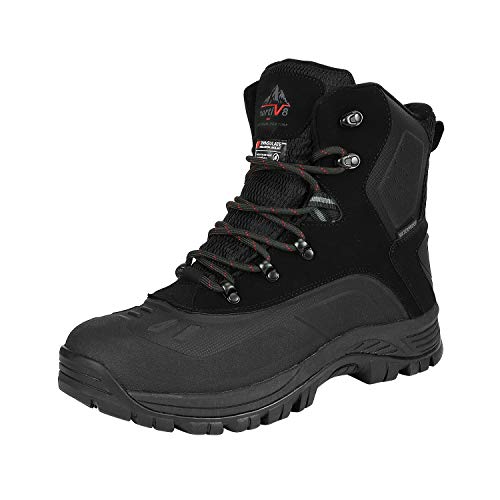
NORTIV 8 Men's Waterproof Hiking Winter Snow Boots,Black/1,11 | Insulated Construction Hunting Ski Work Boots TUNDRA
Check price on Amazon
NORTIV 8 Men's Waterproof Winter Snow Boots Insulated,Black,11 | Fur Liner Lightweight Outdoor Tall Boots QUEBEC-M
Check price on Amazon
Mishansha Men's Waterproof Snow Boots, Winter Hiking Boots, Black Size 11 | Insulated Warm Faux Fur Lining, Lace-Up Fit, Lightweight Non-Slip for Winter Walks, Hiking, Camping, Trekking, Cold Weather
Check price on Amazon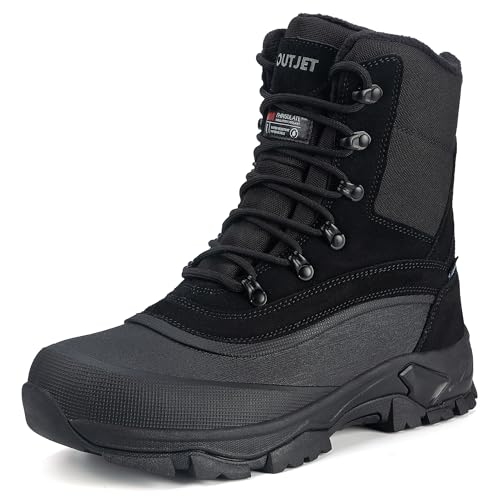
OUTJET Men's Insulated Winter Snow Boots Waterproof | 200g 3M Thinsulate Insulated Construction -25°F Cold Protection Warm Slip Resistant for Outdoor Work Winter Hiking
Check price on Amazon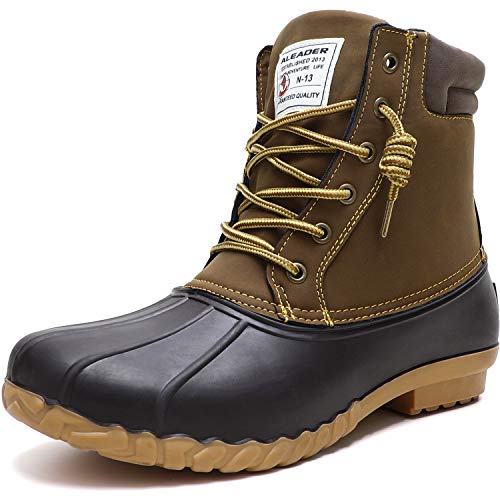
ALEADER Duck Boots Men Insulated Waterproof Winter Boots Cold Weather Snow Boots Tan 10 US
Check price on Amazon
OUTJET Men's Waterproof Winter Snow Boots Insulated Lightweight | 200g 3M Thinsulate Insulated Construction Warm Faux Fur Lined Comfortable Slip Resistant for Outdoor Walking
Check price on AmazonFrequently Asked Questions About Men's Winter Boots
What is the best insulation for winter boots?
Thinsulate and PrimaLoft are excellent synthetic insulations that retain warmth even when damp. For extreme cold, felt liners (often found in pac boots) are the gold standard. 200g-400g is good for active use and moderate cold; 600g-800g+ is for extreme cold and low activity.
Are waterproof boots necessary for winter?
Yes. Snow is water. As soon as it melts on your boot, it will soak through a non-waterproof material. Waterproofing is essential for keeping your feet dry, which is crucial for warmth.
How do I stop my feet from sweating in winter boots?
Look for boots with a breathable waterproof membrane (like Gore-Tex). Also, wear moisture-wicking socks (wool or synthetic blends, not cotton). Your feet sweat because they are hot, so a breathable membrane allows that vapor to escape.
Can I wear my winter boots for work?
Only if they are designed for it. If you need safety features like a steel toe or electrical hazard protection, you must buy a boot specifically rated for that. A casual winter boot will not protect you on a job site. Look for work boots for men with winter-specific ratings.
Ready to Conquer the Cold?
Choosing the right winter boots for men is about matching the boot's engineering to your daily reality. If you're a city dweller, prioritize style and a reliable waterproof membrane. If you're a rugged outdoorsman, prioritize extreme insulation and aggressive traction. By focusing on insulation, waterproofing, and fit, you can ensure that your feet stay warm, dry, and comfortable all winter long. Now that you're equipped with the knowledge, take a look at our top recommended picks above to find your perfect pair.