


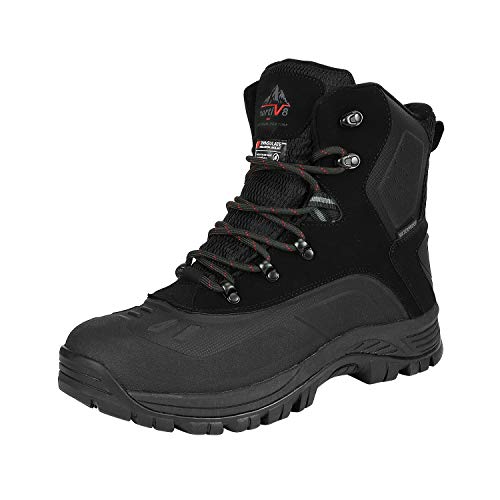


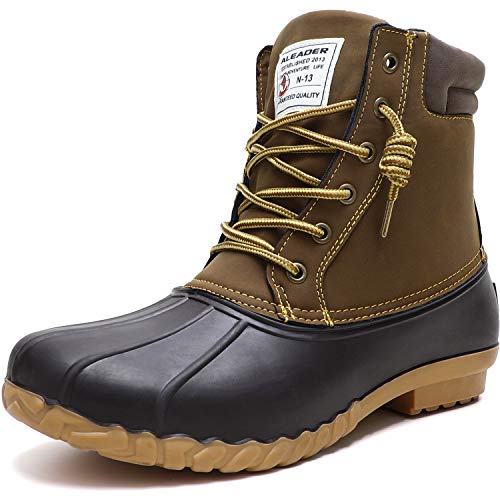

Why Invest in Waterproof Boots?
For many men, a pair of boots is more than just footwear; it's a tool. Whether you're working on a construction site, hiking a muddy trail, or simply navigating a rainy city commute, dry feet are non-negotiable. Waterproof boots offer superior protection, keeping your feet dry, warm, and comfortable in the harshest conditions. They also prevent issues like blisters, fungal infections, and the general misery of cold, wet feet.
Beyond functionality, modern waterproof boots are designed with style in mind. From sleek Chelsea boots to rugged work boots, there's a waterproof option for every occasion.
Understanding Waterproofing Technologies
Not all waterproofing is created equal. Here’s a breakdown of the most common methods and materials you'll encounter.
1. Membranes (e.g., Gore-Tex, eVent)
These are the gold standard for breathable waterproofing. A membrane is a thin layer of material with pores too small for water droplets to pass through but large enough for water vapor (sweat) to escape. Gore-Tex is the most famous brand, but others like eVent and proprietary names from brands like Columbia (Omni-Tech) and Merrell (M-Select DRY) are also excellent. Boots with a membrane are ideal for active use where breathability is key.
2. Full-Grain Leather
High-quality, full-grain leather is naturally water-resistant. When treated with waxes or oils, it becomes highly water-repellent. While it doesn't breathe as well as a membrane, it's incredibly durable and can be re-treated over time. Many premium leather boots use this method. Look for boots with sealed seams for maximum protection.
3. Rubber and Synthetic Overlays
Rubber is 100% waterproof. It's commonly used in the lower part of the boot (the "duck boot" style) or for full rubber boots. While completely waterproof, rubber doesn't breathe at all, which can lead to sweaty feet during strenuous activity. It's best for low-activity use in very wet conditions, like rain boots or duck boots.
4. Water-Repellent Treatments
Many boots are treated with a Durable Water Repellent (DWR) finish. This is a chemical coating that makes water bead up and roll off the surface of the fabric or leather. It's often used in conjunction with other methods. DWR can wear off over time and needs to be reapplied.
Key Features to Look For in Men's Waterproof Boots
Fit and Comfort
A waterproof boot is useless if it doesn't fit well. Look for a boot that provides ample toe room, a secure heel lock, and proper arch support. Consider wide or narrow widths if needed. Remember that a waterproof boot with a thick sock will fit differently, so try them on with the socks you plan to wear.
Insulation
If you'll be wearing them in cold weather, consider insulated boots. Thinsulate is a common synthetic insulation. For warmer climates, an uninsulated waterproof boot is a better choice to prevent overheating. For extreme cold, look at mens snow boots.
Traction and Outsole
The outsole is critical for safety. Look for aggressive, multi-directional lugs for muddy or loose terrain (like on hiking boots). For oily or wet industrial surfaces, look for slip-resistant ratings. Vibram is a well-respected manufacturer of high-quality outsoles.
Durability and Construction
Look for boots with Goodyear welt construction or cemented soles with strong stitching. These are more durable and can often be resoled. Materials like full-grain leather and high-denier textiles offer the best longevity.
Top Styles for Men
Waterproof Work Boots
These are built for toughness. They often feature safety toes (steel, composite), puncture-resistant plates, and electrical hazard protection. Key features include waterproof leather and breathable membranes. A good pair of steel toe work boots that are also waterproof is a must for many tradespeople.
Waterproof Hiking Boots
These prioritize a balance of support, traction, and weight. They typically feature a waterproof membrane, a sturdy midsole for support, and a grippy outsole. For more rugged terrain, consider a dedicated pair of waterproof hiking boots.
Casual & Dress Waterproof Boots
You don't have to sacrifice style for dryness. Brands now offer waterproof versions of classic styles like Chelsea boots, dress boots, and even cowboy boots. These are perfect for commuting or a night out in unpredictable weather.
How to Care for Your Waterproof Boots
To maintain their waterproofing and extend their life, proper care is essential. Clean your boots regularly with a soft brush and mild soap. For leather boots, use a conditioner or waterproofing wax to replenish oils and maintain the water-repellent finish. For boots with a DWR treatment, you can reapply a spray-on water repellent. Always let your boots air dry naturally, away from direct heat, which can damage the materials and waterproofing.
Making Your Final Choice
The ideal pair of men's waterproof boots is the one that best matches your primary use. A construction worker needs a different boot than a weekend hiker or a city commuter. Consider your environment, your activity level, and your personal style. With the information above, you're now equipped to choose a pair that will keep you dry, comfortable, and stylish for years to come.
Ready to explore more? Check out our guides on modern boot trends and rugged boot looks for styling inspiration.