
Hiking Boots for Men: The Ultimate Buying Guide
Find the perfect blend of comfort, support, and durability for your next trail adventure. Our expert guide helps you choose the right hiking boots for men.
Explore Top PicksWhy Trust Our Guide? We've analyzed hundreds of reviews, expert opinions, and technical specs to bring you a comprehensive guide on hiking boots for men. Whether you're a weekend warrior or a seasoned thru-hiker, this guide will help you make an informed decision.
Best Hiking Boots for Men: Our Top Recommendations
⚠️ AFFILIATE DISCLOSURE: This website contains affiliate links. As an affiliate Associate, we earn from qualifying purchases. If you make a purchase through these links, we may receive a small commission at no additional cost to you. Read our full affiliate policy.

Columbia Men's Transverse Waterproof Hiking Boot | Fully Waterproof, High Traction, Lightweight, Wide Fit Available
Check price on Amazon
SHULOOK Men's Waterproof Hiking Boots Non-Slip Lightweight Mid Top Ankle Boot Breathable Hiker Trekking Shoes
Check price on Amazon
NORTIV 8 Men's Ankle High Waterproof Hiking Boots,Brown/Black/Tan,10.5W | Outdoor Lightweight Hiking Boots for Camping, Trekking and Mountaineering Armadillo
Check price on Amazon
Columbia Men's Newton Ridge II Waterproof Hiking Boot | High Traction, All Day Comfort, Fully Waterproof, Wide Fit Available
Check price on Amazon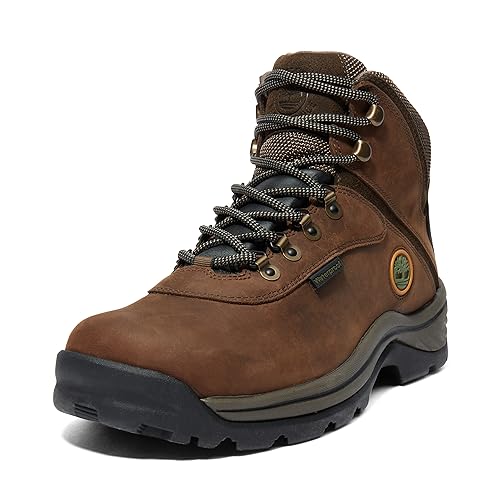
Timberland Men's White Ledge Mid Waterproof Hiking Boot, Brown-NEW 2024, 12 Medium
Check price on Amazon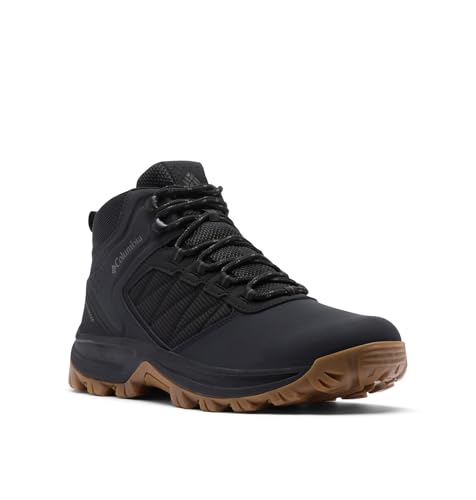
Columbia Men's Transverse Waterproof Hiking Boot, Black/Black, 8 | Transverse Hike Waterproof Shoe offers dry comfort and all-terrain traction on any trail
Check price on Amazon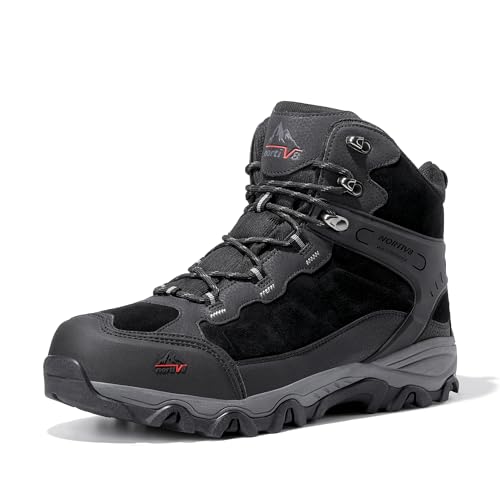
NORTIV 8 Men's Waterproof Lightweight Hiking Boots,Black,9.5 | Mid Top Suede Hiking Boots for Outdoor Trekking, Camping and Mountaineering Paladin
Check price on Amazon
Timberland Men's Mt. Maddsen Anti-Fatigue Hiking Wateproof Leather Hiking Boot, Dark Brown Full-Grain, 10.5 Medium
Check price on AmazonHow to Choose the Perfect Hiking Boots for Men
Selecting the right hiking boots for men is crucial for a comfortable and safe outdoor experience. The wrong pair can lead to blisters, ankle injuries, and a miserable trek. Here are the key factors to consider:
1. Determine Your Hiking Terrain
The type of trail you plan to conquer dictates the boot you need. Consider these categories:
- Light Trail & Day Hikes: Low-cut or mid-cut boots offer flexibility and breathability. They are ideal for well-maintained paths and light loads.
- Rugged Trails & Backpacking: Mid-cut to high-cut boots provide essential ankle support and protection for uneven, rocky terrain and heavier packs.
- Mountaineering & Technical Terrain: Stiff, high-cut boots with crampon compatibility are necessary for snow, ice, and steep ascents.
2. Prioritize Fit and Comfort
A perfect fit is the most critical factor. Your boots should feel snug but not tight, with enough room in the toe box to wiggle your toes. Here's what to check:
- Heel Lock: Your heel should not lift significantly when walking. A proper heel lock prevents blisters and instability.
- Toe Box: Ensure at least a thumb's width of space between your longest toe and the front of the boot. This prevents toe bang on descents.
- Width: Boots come in various widths. If you have wide feet, look for brands that offer wide sizing to avoid pressure points.
3. Understand Materials and Features
The materials and construction of your hiking boots affect durability, breathability, and weather resistance.
- Leather: Full-grain leather is durable and water-resistant but heavy and requires break-in. Nubuck and suede are lighter but less durable.
- Synthetics: Lightweight, breathable, and quick-drying. Often used in hybrid designs for a balance of performance.
- Waterproofing: Look for membranes like Gore-Tex or proprietary waterproof liners for wet conditions. For breathability, consider non-waterproof boots for dry, warm climates.
- Midsole & Shank: A stiffer midsole and shank provide support and protect your feet from sharp rocks. Torsional rigidity is key for stability on uneven ground.
Types of Hiking Boots for Men
Hiking boots are not one-size-fits-all. They are broadly categorized into three types based on their cut and intended use. Understanding these differences is essential for making the right choice.
Low-Cut Hiking Shoes
These are essentially rugged sneakers. They offer the least ankle support but are the lightest and most breathable. They are perfect for day hikes on well-groomed trails and for hikers who prioritize speed and agility. If you're looking for a versatile option that can double as an everyday shoe, these are a great choice. You can also explore men's boots for more casual styles.
Mid-Cut Hiking Boots
The most popular choice for the majority of hikers. Mid-cut boots provide a balance of ankle support, protection, and weight. They are ideal for day hikes, weekend backpacking trips, and moderate terrain. They offer enough support for a moderately heavy pack without being overly restrictive.
High-Cut Backpacking Boots
These are the tanks of the hiking world. They offer maximum ankle support and are designed for carrying heavy loads over rugged, unpredictable terrain. They are stiffer and heavier but provide unparalleled stability and protection. They are a must for multi-day treks and mountaineering. For more extreme conditions, consider men's snow boots.
Essential Features to Look For
When comparing different models of hiking boots for men, pay close attention to these features:
Waterproofing vs. Breathability
This is a classic trade-off. Waterproof boots (with membranes like Gore-Tex) keep your feet dry in wet conditions but can be less breathable, leading to sweaty feet. Breathable boots are great for dry, warm climates but will get soaked in a downpour. For most conditions, a waterproof boot is a safe bet. If you often hike in hot, dry environments, a breathable boot might be better. Consider men's waterproof boots for wet climates.
Ankle Support and Cushioning
The height of the boot's collar determines the level of ankle support. A well-padded collar and tongue add comfort and prevent pressure points. The midsole is responsible for cushioning and shock absorption. Look for materials like EVA or polyurethane for a good balance of comfort and durability.
Outsole and Traction
The outsole is your connection to the trail. Look for deep, aggressive lugs made from sticky rubber (like Vibram) for superior traction on mud, rocks, and slippery surfaces. The heel brake is also important for controlling your descent. A good outsole is non-negotiable for safety on the trail.
Weight and Break-In Period
Lighter boots are less fatiguing on long hikes. However, ultralight boots often sacrifice durability and support. Leather boots require a significant break-in period, while synthetic boots are usually comfortable out of the box. Always break in your new boots on short walks before a big hike.
Care and Maintenance for Longevity
To get the most out of your hiking boots for men, proper care is essential. Regular cleaning and conditioning can extend their life and performance.
- Clean After Each Hike: Remove dirt and mud with a soft brush and lukewarm water. Avoid harsh detergents.
- Dry Properly: Air dry your boots at room temperature. Never put them near a direct heat source like a radiator or fire, as this can damage the materials.
- Condition Leather: Use a leather conditioner or wax to keep leather boots supple and water-resistant.
- Re-waterproof: Apply a waterproofing spray or wax periodically, especially after cleaning.
- Store Correctly: Store your boots in a cool, dry place. Use boot trees or stuff them with newspaper to maintain their shape.
For more tips on keeping your footwear in top condition, explore our guide on travel boot packing.
Frequently Asked Questions
Should I size up or down for hiking boots?
Generally, you should size up by a half-size for hiking boots. This is because your feet swell during physical activity, and you need extra room in the toe box to prevent your toes from hitting the front of the boot on descents. Always try on boots with the socks you plan to wear while hiking.
Are expensive hiking boots worth it?
Often, yes. More expensive boots typically use higher-quality materials, better construction, and more advanced features. They tend to be more durable, comfortable, and supportive, which can make a significant difference on longer or more challenging hikes. However, there are excellent budget-friendly options as well. The key is to find the best boot for your specific needs and budget. Prices can range from $80 to over $300.
How do I break in new hiking boots?
Start by wearing them around the house for a few hours. Then, take them on short, easy walks on flat terrain. Gradually increase the distance and difficulty. This gradual process helps the boots mold to your feet and prevents blisters. For leather boots, this process may take several weeks.
What socks should I wear with hiking boots?
Always wear moisture-wicking socks made from wool or synthetic materials. Avoid cotton socks, as they hold moisture and can cause blisters. A good pair of hiking socks will provide cushioning and keep your feet dry. You can find more information in our guide to men's boots.
Explore More: Now that you're an expert on hiking boots for men, check out our other guides to complete your outdoor gear. Learn about packing your boots for travel, or explore styles like rugged boot looks and waterproof boots for men.