
Steel Toe Work Boots: The Ultimate Safety & Comfort Guide
Protect your feet without sacrificing comfort. Learn how to choose the right steel toe work boots for construction, industrial, and warehouse environments — with confidence.
START YOUR RESEARCHWhy Steel Toe Boots Matter: According to occupational safety data, foot injuries are among the most common workplace accidents. A properly fitted pair of steel toe work boots is your first line of defense — reducing impact, compression, and puncture risks on the job. This guide helps you understand exactly what to look for before you buy.
What Are Steel Toe Work Boots?
Steel toe work boots are a specialized category of work boots for men (and women) designed with a protective steel cap embedded in the toe box. This cap is engineered to withstand heavy impact and compression forces, shielding your toes from falling objects, rolling equipment, and other hazards common in industrial settings.
Unlike standard brown boots or casual Chelsea boots men styles, steel toe boots are built with safety as the primary objective. However, modern designs have evolved significantly — today's best models combine ASTM-rated protection with cushioning, breathability, and even style suitable for workwear boot looks beyond the job site.
If you're exploring the broader world of protective footwear, our boots starter hub is a great place to understand how steel toe fits into the full spectrum of boot categories.
Understanding Steel Toe Safety Standards (ASTM F2413)
In the United States, steel toe work boots must comply with ASTM F2413 — the standard performance specification for protective footwear. This standard covers impact resistance (I) and compression resistance (C), among other criteria.
| Rating | What It Means | Typical Use Case |
|---|---|---|
| I/75 | Impact resistance up to 75 ft-lbs | General construction, warehouse |
| C/75 | Compression resistance up to 2,500 lbs | Heavy machinery, logistics |
| EH | Electrical Hazard rated | Electrical work, utilities |
| PR | Puncture Resistant | Construction, demolition, recycling |
| MT | Metatarsal Guard | Foundries, heavy manufacturing |
Always check the label or product description for these ratings. A boot that claims "steel toe" without an ASTM certification may not provide the protection you need. For broader protective options, explore our waterproof work boots and hunting boots guides.
Key Features to Look For in Steel Toe Work Boots
1. Toe Box Shape & Fit
Steel toe caps don't have to feel like bricks. Modern boots use tapered or asymmetrical toe boxes that match the natural shape of your foot. Look for models with a roomy toe box to prevent blisters and pinching. If you have wide feet, consider brands that offer wide sizing — similar to how wide calf boots for women address fit challenges in fashion footwear.
2. Sole Construction & Slip Resistance
The outsole is critical for traction on oil, water, and uneven surfaces. Look for rubber or polyurethane outsoles with deep treads and slip-resistant ratings. For environments with electrical hazards, choose EH-rated soles. If you also need weather protection, our men's waterproof boots collection may complement your work footwear rotation.
3. Comfort & Cushioning
You'll likely wear these boots for 8+ hours a day. Prioritize models with memory foam insoles, shock-absorbing midsoles, and moisture-wicking linings. Removable insoles allow you to customize support — similar to how heel cushions can upgrade any boot's comfort.
4. Material & Durability
Full-grain leather is the gold standard for durability, while synthetic materials offer lighter weight and faster break-in. Waterproof membranes like Gore-Tex or proprietary linings keep feet dry. For care tips that apply to all leather work boots, see our leather cleaning guide.
5. Weight & Break-In Period
Steel toe boots are inherently heavier than soft-toe alternatives. However, modern designs have reduced weight significantly. Expect a break-in period of 1–2 weeks. Our break-in guide offers practical tips to speed up the process.
Types of Steel Toe Work Boots by Job Environment
Not all steel toe boots are created equal. The right choice depends on your specific work environment:
- Construction & Heavy Industry: Look for 8-inch lace-up styles with metatarsal guards and puncture-resistant soles. Brands like Timberland PRO, Red Wing, and Carolina offer robust options.
- Warehouse & Logistics: Lighter, low-cut or 6-inch boots with slip-resistant soles and cushioned insoles work best. Consider pull-on styles for convenience.
- Electrical & Utilities: EH-rated boots are essential. These prevent electrical current from passing through the sole to the ground.
- Wet & Cold Environments: Waterproof and insulated steel toe boots keep feet dry and warm. Pair with boot socks for additional thermal regulation.
- Agricultural & Outdoor: For farm work or landscaping, consider rubber or leather hybrids with aggressive tread. Our duck boots and rubber boots guides cover similar protective needs.
If your work involves a mix of indoor and outdoor tasks, a versatile black leather boot with steel toe can transition between environments seamlessly.
Steel Toe Work Boots Buying Guide
Before you add a pair to your cart, follow this step-by-step buying framework:
Step 1: Identify Your Safety Requirements
Consult your employer's safety officer or OSHA guidelines. Determine whether you need impact, compression, electrical hazard, or puncture resistance ratings — or a combination. Don't over-spec (which adds weight and cost) or under-spec (which risks injury).
Step 2: Get Your Feet Measured Professionally
Foot size changes over time. Visit a shoe store with a Brannock device or use a reliable at-home measurement method. Our fit & measurement guide walks you through the process. Remember: steel toe boots should have about a thumb's width of space between your longest toe and the boot's front.
Step 3: Decide on Height and Closure Type
- 6-inch: Standard for most work; offers ankle support without restricting movement.
- 8-inch: Maximum ankle support; ideal for uneven terrain and heavy loads.
- Pull-on: Convenient, no laces; popular in ranching and some industrial settings.
- Lace-up: Customizable fit; preferred for precise support and security.
- Boar zip: Combines lace-up security with side zipper convenience.
Step 4: Set a Realistic Budget
Quality steel toe work boots typically range from $120 to $350. At the lower end, you'll find basic protection with acceptable comfort. Mid-range ($180–$250) offers better materials and cushioning. Premium options ($250+) deliver maximum durability, advanced features, and often resoleable construction. Investing in a reputable brand often pays off in longevity and foot health.
Step 5: Try Before You Buy (or Choose a Retailer with Easy Returns)
Fit is personal. If buying online, choose retailers with free returns and wear the boots indoors on carpet first. Check for heel slip, toe pressure, and arch alignment. For more shopping tips, see our boots shopping tips.
Steel Toe vs. Composite Toe vs. Alloy Toe: What's the Difference?
| Feature | Steel Toe | Composite Toe | Alloy Toe |
|---|---|---|---|
| Weight | Heaviest | Lightest | Lighter than steel |
| Protection | Excellent (ASTM I/75, C/75) | Excellent (ASTM I/75, C/75) | Excellent (ASTM I/75, C/75) |
| Conductivity | Conducts cold/heat | Does not conduct | Conducts less than steel |
| Metal Detector | Triggers | Does not trigger | Triggers |
| Price | Most affordable | Mid to high | Mid to high |
| Best For | Construction, heavy industry | Airports, electronics, cold climates | Balanced protection & weight |
While steel toe remains the most popular and cost-effective choice, composite and alloy toes offer advantages in specific scenarios. Your decision should be based on your work environment, climate, and personal comfort preferences.
How to Care for Your Steel Toe Work Boots
Proper maintenance extends the life of your investment and ensures continued protection. Follow these essential care practices:
- Clean Regularly: Remove dirt, mud, and chemicals after each use. Use a soft brush and mild soap. For leather models, follow our leather cleaning guide.
- Condition Leather: Apply a quality leather conditioner every 4–6 weeks to prevent cracking and maintain water resistance.
- Waterproofing: Reapply waterproofing spray or wax periodically, especially if you work in wet conditions. See our waterproofing guide.
- Replace Insoles: Swap out insoles every 3–6 months or when they lose cushioning. Consider arch support inserts for additional comfort.
- Inspect for Damage: Check the steel toe cap for exposure, the sole for wear, and stitching for tears. Replace boots immediately if the protective cap is compromised.
- Dry Properly: Never dry wet boots near direct heat. Air-dry at room temperature and use boot dryers if needed.
- Store Correctly: Use boot storage covers or a dedicated shelf to maintain shape and protect from dust.
For a complete maintenance schedule, visit our boot maintenance hub.
Common Mistakes to Avoid When Buying Steel Toe Work Boots
- Buying Based on Price Alone: The cheapest option often lacks proper certification, cushioning, and durability. Your feet and safety are worth the investment.
- Ignoring Fit: A steel toe boot that's too tight can cause blisters, ingrown toenails, and reduced circulation. Too loose, and you risk tripping and heel blisters.
- Overlooking Break-In: Expect an adjustment period. Wear them for short periods initially and use our break-in guide.
- Not Replacing Worn Boots: Once the steel toe is exposed or the sole is worn through, protection is compromised. Replace immediately.
- Wearing the Wrong Socks: Cotton socks trap moisture. Choose moisture-wicking boot socks for better comfort and blister prevention.
Recommended Steel Toe Work Boots
⚠️ AFFILIATE DISCLOSURE: This website contains affiliate links. As an affiliate Associate, we earn from qualifying purchases. If you make a purchase through these links, we may receive a small commission at no additional cost to you. Read our full affiliate policy.

Timberland PRO Men's Pit Boss 6 Inch Steel Safety Toe Industrial Work Boot, Brown-2024 New, 10.5
Check price on Amazon
Furuian Steel Toe Boots for Men Women Lightweight Work Boots Pioneer Series | ASTM Certificated Safety Shoes, Width Options, Non Slip Rubber Sole, Comfortable Work Shoes for Construction, Warehouse, Yard
Check price on Amazon
WOLVERINE Men's Floorhand Waterproof Steeltoe 6" Work Boot, Dark Brown, 10M
Check price on Amazon
Timberland PRO Men's Keele Ridge Steel Safety Toe Waterproof Industrial Hiker Work Boot, Brown-2024 New, 10.5
Check price on Amazon
ANGRYRAM Steel Toe Boots for Men Women Puncture Proof Safety Work Shoes | ASTM Certified Steel Toe Work Boots with Puncture Proof, Slip Resistant, Lightweight Comfortable Safety Shoes for Warehouse
Check price on Amazon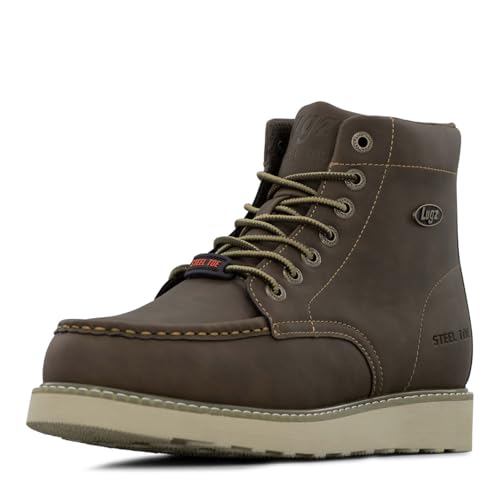
Lugz Men's Monterey Steel Toe Work Boot, Walnut/Gum/Cream, 10 M | Faux nubuck upper; Moc stitching; Padded tongue and sock liner; Breathable lining; Rubber wedge outsole
Check price on Amazon
Timberland PRO Men's Boondock 6 Inch Composite Safety Toe Waterproof Industrial Work Boot, Black-2024 New, 12
Check price on Amazon
Lugz | Drifter 6 Steel Toe Work Boots | Durable & Stylish Mens Steel Toe Work Boots, golden wheat/bark/tan/gum, 10.5 D US
Check price on AmazonFinal Thoughts: Investing in Your Safety & Comfort
Steel toe work boots are more than just a safety requirement — they're a tool that supports your productivity, protects your health, and keeps you comfortable through long shifts. By understanding ASTM ratings, prioritizing fit, and choosing the right features for your environment, you can find a pair that serves you well for years.
Whether you're in construction, manufacturing, logistics, or any field that demands protection, the right steel toe boot is out there. Use this guide as your roadmap, explore our recommended products above, and step into your next workday with confidence.
For more footwear insights, browse our modern boot trends, workwear boot looks, and boot outfit inspiration to see how work boots fit into a broader style context.