
Waterproof Work Boots: The Ultimate Guide to Dry, Safe, and Comfortable Feet
Don't let wet feet slow you down. From heavy-duty construction to light industrial work, discover how to choose the perfect pair of waterproof work boots that keep you protected and productive all day long.
SEE TOP PICKSBootsPedia Philosophy: We believe that the right pair of boots can change everything. Whether you're on a job site or in a warehouse, staying dry is not a luxury—it's a necessity for safety and comfort. This guide will help you make an informed decision.
Why Waterproof Work Boots Are a Non-Negotiable Investment
If you work outdoors or in wet environments, you already know the misery of soggy socks and cold, damp feet. Beyond discomfort, wet feet can lead to blisters, fungal infections, and even trench foot in extreme cases. More importantly, wet boots can compromise your safety. Waterproof work boots are engineered to keep moisture out while allowing your feet to breathe, ensuring you stay dry, warm, and focused on the task at hand. Whether you're in construction, landscaping, plumbing, or emergency services, a reliable pair of waterproof boots is one of the most important pieces of gear you can own.
Navigating the market can be overwhelming. Terms like "Gore-Tex," "full-grain leather," and "sealed seams" are thrown around, but what do they actually mean for your feet? This guide breaks down everything you need to know. For those who want to explore a broader range of options, our men's waterproof boots collection offers various styles, while our women's waterproof boots guide caters specifically to different fits and needs.
Key Features to Look for in Waterproof Work Boots
Not all waterproof boots are created equal. To find a pair that will truly perform, you need to examine the materials, construction, and safety features. Here are the essential components to consider:
1. Waterproof Materials & Membranes
The primary defense against water is the boot's upper material. Full-grain leather is the gold standard for durability and natural water resistance. It's denser and more resilient than split-grain or corrected-grain leather. However, leather alone isn't enough for prolonged exposure. Many high-quality boots incorporate a waterproof membrane like Gore-Tex or a proprietary equivalent. These membranes are placed between the leather and the lining; they block liquid water from entering while allowing water vapor (sweat) to escape, keeping your feet dry from the inside out. If you prefer a more classic look, a pair of men's leather boots with a waterproof treatment can be an excellent choice.
2. Sealed Seams and Construction
Water finds a way in through the smallest gaps. That's why sealed seams are critical. Look for boots where the seams are either welded, taped, or treated with a waterproof sealant. The construction method also matters. Goodyear welt construction is highly regarded for its durability and water resistance, as the welt creates a strong, watertight bond between the upper and the sole. Cement construction is lighter but can be less water-resistant if not properly sealed. For the toughest jobs, steel toe work boots with waterproof features offer the ultimate protection.
3. Breathability and Insulation
A common misconception is that waterproof boots are also sweat boxes. Modern membranes solve this by being breathable. However, if you're working in colder climates, you'll want to look for insulated waterproof boots. Thinsulate and other synthetic insulations provide warmth without adding excessive bulk. For those who need a versatile boot for varying conditions, checking our winter boots for men can provide additional insights into insulation and weather protection.
4. Safety Features
Work boots are first and foremost about safety. Beyond waterproofing, ensure your boots have the necessary safety ratings for your job. This includes steel or composite toe caps for impact protection, puncture-resistant midsoles, and slip-resistant outsoles. Electrical hazard (EH) protection is another vital feature for those working near live circuits. When browsing our recommended products, pay close attention to these specifications.
Finding the Perfect Fit for All-Day Comfort
A waterproof boot is only useful if you can wear it all day without pain. Fit is paramount. Here are some tips for getting it right:
- Measure Your Feet: Feet can swell during the day, so measure them in the afternoon. Always try on boots with the socks you plan to wear on the job.
- Heel Lock: Your heel should be locked in place with minimal slippage. If your heel lifts more than a quarter-inch, the boot is too big or the wrong shape for your foot.
- Toe Room: You should have about a thumb's width of space between your longest toe and the front of the boot. This prevents your toes from hitting the front when walking downhill.
- Arch Support: Proper arch support is crucial for reducing fatigue. If your boots need a boost, consider adding a quality insole. For a deep dive into comfort, our comfort and wellness guides are a great resource.
Remember, a boot that fits well from the start will require less break-in time. However, even the best boots need a proper break-in period. Our boot break-in guide can help you through the process.
Maintaining Waterproof Performance: Care Tips
Waterproofing isn't a permanent state; it requires maintenance. Dirt, mud, and repeated flexing can degrade the water-repellent finish. To keep your boots performing at their best, you should:
- Clean Them Regularly: Use a soft brush and lukewarm water to remove dirt and grime. For leather boots, a dedicated leather cleaner is best.
- Re-Proof Them: Apply a waterproofing spray or wax specifically designed for your boot's material (leather, suede, or nubuck). This restores the DWR (Durable Water Repellent) coating. Our waterproofing guide has step-by-step instructions.
- Dry Them Properly: Never dry your boots directly on a heater or in direct sunlight, as this can crack the leather and damage the waterproof membrane. Instead, stuff them with newspaper and let them air dry at room temperature. A boot dryer can be a worthwhile investment.
- Store Them Correctly: Keep your boots in a cool, dry place. Using boot storage covers can protect them from dust and moisture when not in use.
Top-Rated Waterproof Work Boots
⚠️ AFFILIATE DISCLOSURE: This website contains affiliate links. As an affiliate Associate, we earn from qualifying purchases. If you make a purchase through these links, we may receive a small commission at no additional cost to you. Read our full affiliate policy.

NORTIV 8 Men's Waterproof Steel Toe Work Boots,Black,11 | Slip Resistant ASTM-certified Safety Toe Boots for Men for Construction,Warehouse,Industrial and Daily Work,Paladin-Steel
Check price on Amazon
Wolverine Men's Floorhand Waterproof 6” Work Boot, Dark Brown, 10.5
Check price on Amazon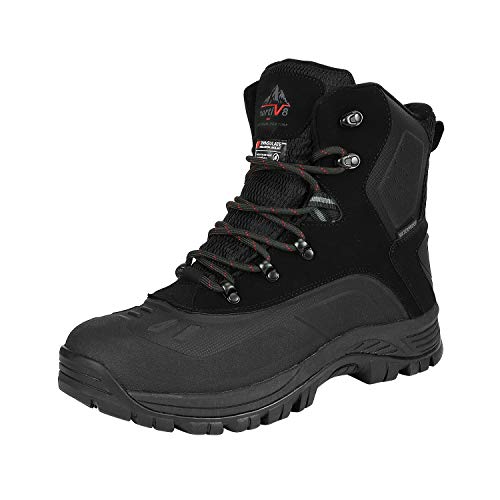
NORTIV 8 Men's Waterproof Hiking Winter Snow Boots,Black/1,8 | Insulated Construction Hunting Ski Work Boots TUNDRA
Check price on Amazon
Timberland PRO Men's Keele Ridge Steel Safety Toe Waterproof Industrial Hiker Work Boot, Brown-2024 New, 10.5
Check price on Amazon
NORTIV 8 Waterproof Steel Toe Work Boots for Men,All Black,10.5 | ASTM Safety Construction Boots Slip-resistant Outsole Comfortable & lightweight design All-day Wear ARMADILLO-STL
Check price on Amazon
CKWLXQY Men's Deck Boots, Waterproof Non-Slip Ankle Rain Boots for Fishing | Waterproof rubber ankle boots with non-slip traction for fishing, gardening, farming, boating and wet outdoor work.
Check price on Amazon
Wolverine Men'sOverpass 6" Mid Composite Toe Waterproof Work Boot, Summer Brown, 11 Medium
Check price on Amazon
Wolverine Men's Floorhand Waterproof Steeltoe 6" Work Boot, Dark Brown, 12EW
Check price on AmazonMatching Your Boots to Your Work Environment
The "best" waterproof work boot is highly dependent on your specific job. A boot for a concrete pour is different from one for a warehouse supervisor. Here’s a quick breakdown:
- Heavy Construction & Masonry: Look for 8-inch tall boots with thick, full-grain leather, Goodyear welt construction, and a heavy-duty, oil- and slip-resistant outsole. A steel toe is often mandatory.
- Landscaping & Agriculture: You need a boot that balances waterproofing with agility. A 6-inch boot with a lugged rubber outsole for traction in mud and dirt is ideal. Duck boots are a classic choice for these conditions.
- Warehouse & Light Industrial: Comfort and lightness are key. A waterproof athletic-style work boot or a composite toe boot with a memory foam insole might be more suitable. For a stylish yet functional option, consider a men's Chelsea boot with waterproofing.
For those who work in mixed weather or need a boot that transitions from the job site to weekend wear, exploring our workwear boot looks can provide style inspiration without sacrificing function.
Frequently Asked Questions
Are waterproof work boots worth the extra cost?
Absolutely. If your work exposes you to moisture—whether from rain, puddles, or spills—the investment in waterproof boots pays off in comfort, foot health, and safety. The cost of a single missed day due to foot problems can easily exceed the price difference.
Can I make my non-waterproof boots waterproof?
You can improve their water resistance significantly with aftermarket waterproofing sprays and waxes, but you can't make them truly waterproof. Boots with a built-in membrane and sealed seams offer superior protection. For a detailed guide, see our waterproofing guide.
How often should I replace my waterproof work boots?
It depends on usage. For daily heavy-duty use, a quality pair might last 6 to 12 months before the sole wears down or the waterproof membrane fails. Regular cleaning and re-proofing can extend their life. If your feet start getting wet despite proper care, it's time for a new pair.
Final Thoughts: Your feet are your foundation. A high-quality pair of waterproof work boots is not an expense, but an investment in your daily comfort, safety, and long-term foot health. Use this guide to find the pair that fits your specific needs and work environment perfectly. Don't settle for wet feet.