
Western Dress Boots: The Complete Style, Fit & Buying Guide
From refined leathers and sleek toe shapes to heel heights and outfit pairing—everything you need to choose western dress boots that look sharp and feel right.
START THE GUIDEWestern dress boots occupy a unique space in footwear: they carry the heritage and silhouette of cowboy boots, but with refined proportions, cleaner finishes, and materials suited to formal and semi-formal settings. If you want the character of the American West without the bulk of a working ranch boot, this is your category. Below, we break down what makes a western dress boot, the leathers and toe shapes worth considering, how to get the fit right, and which pairs work best with everything from dark denim to tailored suits.
Recommended Western Dress Boots
⚠️ AFFILIATE DISCLOSURE: This website contains affiliate links. As an affiliate Associate, we earn from qualifying purchases. If you make a purchase through these links, we may receive a small commission at no additional cost to you. Read our full affiliate policy.

Lumeheel Cowboy Boots for Men - Western Men's Boots with Classic Embroidered, Slip on Square Toe Country Boots with Chunky Heel, Durable Short Ankle Boots for Spring Fall, Brown, Size 10
Check price on Amazon
IUV Cowboy Boots For Women Western Cowgirl Boots Mid Calf Snip Toe | Chunky Heel Ideal for low insteps
Check price on Amazon
ARIAT Men’s Circuit Patriot Western Boot
Check price on Amazon
wetkiss Knee High Cowgirl Boots for Women, Vintage Brown, Size 7 | Chunky Heel,Western Style,Cowboy Boots,Versatile,Pull On,Various Occasions,Non-slip Sole,Soft and Breathable PU Leather
Check price on Amazon
HISEA Rollda Cowboy Boots for Women Western Cowgirl Boots Mid Calf | Chunky Heel Pointed Toe Comfortable Stitched Embroidery for Country Concert Dancing Wedding Travel Daily Outfits
Check price on Amazon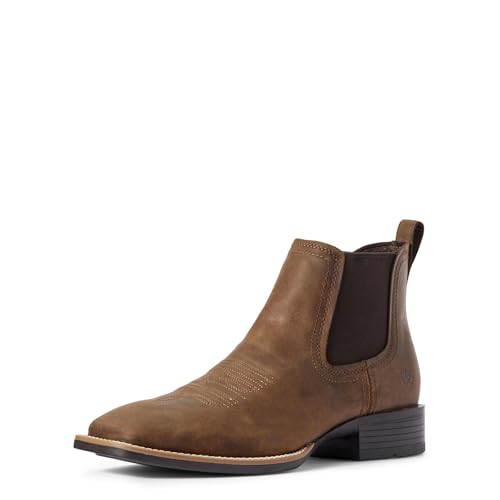
ARIAT Men’s Booker Ultra Western Boot | Western Chelsea boots with elastic slip-on gores, ATS ergonomic support, and full-grain leather for everyday wear
Check price on Amazon
Lumeheel Cowboy Boots for Men - Western Men's Boots with Classic Embroidered, Slip on Square Toe Country Boots with Chunky Heel, Durable Short Ankle Boots for Spring Fall, Black, Size 10
Check price on Amazon
Choiran Western Ankle Cowboy Boots for Men - Mens Square Toe Chelsea Boots for Men Casual Retro Stylish Black
Check price on AmazonWestern Dress Boots at a Glance
What Are Western Dress Boots?
A western dress boot is a cowboy boot engineered for style rather than ranch work. It keeps the iconic elements—the tall shaft, the tapered toe, the stacked heel, the pull straps—but dials back the ruggedness. Stitching is finer and more restrained, leathers are smoother and more refined, and the overall silhouette is slimmer from the vamp to the collar.
The result is a boot that transitions seamlessly from a dressy dinner to a day at the office, and pairs naturally with tailored clothing without looking like costume. If you're drawn to the western aesthetic but want something a step above a standard work boot, this is the category that delivers. For a broader look at the western family, explore our western-style work boots guide, which covers the more rugged end of the spectrum.
Western dress boots also overlap with several other boot niches. Women frequently cross-shop them with black cowgirl boots for a sharper, more evening-appropriate look, while men often compare them against men's pointed-toe boots when deciding between a traditional western profile and a more fashion-forward silhouette.
Dress Western vs. Traditional Cowboy Boots
The line between a "dress" western boot and a working cowboy boot is not always obvious to a first-time buyer. The differences show up in details—and those details are exactly what make one pair appropriate for a suit and the other for a muddy pasture.
| Feature | Western Dress Boot | Traditional Cowboy Boot |
|---|---|---|
| Toe Shape | Snip, pointed, or narrow square | Wide square, round, or roper |
| Heel Height | 1"–1.75", understated | 1.5"–2"+, riding or block |
| Stitching | Fine, minimal, tonal | Bold, multi-color, decorative |
| Leather | Smooth calf, goat, exotic | Roughout, oiled, full-grain |
| Sole | Leather or thin rubber | Thick rubber, lug, or crepe |
| Best For | Office, events, dressy casual | Ranch, riding, heavy outdoor |
If you're specifically looking for a boot to wear with denim and a blazer, the dress western profile is almost always the better choice. If you need something for actual ranch work or heavy outdoor use, look instead at a traditional cowboy boot or a dedicated work boot.
Anatomy of a Western Dress Boot
Understanding the parts of a western dress boot helps you evaluate quality when shopping online, where you can't feel the leather or inspect the stitching in person. Here are the components that matter most:
The Shaft
The tall upper section that rises to mid-calf. On dress western boots, the shaft is typically slimmer and lined in soft leather for a smoother fit under trousers. Shaft height usually runs 10"–13".
The Vamp
The front section covering the top of the foot. Dress boots use a single piece of smooth leather here, with minimal seams. The vamp is where fine leather quality is most visible.
The Toe Box
The shape of the toe defines the boot's formality. A snip toe or pointed toe reads dressy; a wide square toe reads casual. Snip toe boots are a particularly popular choice for western dress boots because they balance elegance with a bit of western character.
The Heel
Dress western boots use a walking heel or a low riding heel, generally between 1" and 1.75". The heel is stacked leather or a leather-look composite, and it should be proportionate to the shaft—too tall and the boot becomes costume-like.
The Sole
Leather soles are the hallmark of a true dress boot. They're sleek, formal, and breathable, but they offer less traction. Many modern western dress boots use a thin rubber or leather-and-rubber combination sole for practicality.
Pull Straps & Linings
Pull straps are functional and decorative. On dress boots they're often leather rather than fabric, and stitched cleanly. Interior linings should be full leather on a quality pair—this affects both comfort and how the boot ages.
Leathers & Exotic Materials
The leather is what separates a $150 western dress boot from a $800 one. Here's a breakdown of the most common options and what each brings to the table.
Calfskin
The standard for dress western boots. Smooth, supple, and takes a high polish. It breaks in beautifully and develops a rich patina over time. Look for full-grain or top-grain calfskin. If you prefer a rich, deep finish, our guide to dark brown leather boots covers the color that pairs best with almost any wardrobe.
Goat & Kid Leather
Softer and more pliable than calfskin, goat leather is prized for its fine grain and lightweight feel. It's a common choice for women's western dress boots because it molds to the foot quickly.
Kangaroo
Extremely strong for its weight and highly resistant to stretching. Kangaroo leather western dress boots are a favorite among buyers who want durability without bulk.
Exotic Leathers
Exotic skins are where western dress boots get truly distinctive. Common options include:
- Alligator & crocodile — bold scales, high formality, premium pricing. See our alligator boots guide for a deeper look.
- Ostrich — distinctive quill pattern, soft and durable. Our ostrich leg boots page covers the full-quill versus leg-cut distinction.
- Stingray — incredibly tough, pearl-like texture. Explore stingray cowboy boots and stingray skin boots for the details.
- Snakeskin — dramatic scale patterns. See snakeskin western boots and snakeskin shoes.
- Elephant — heavy, rugged texture. Covered in our elephant skin boots article.
- Rattlesnake — a distinctly American exotic. See men's rattlesnake boots.
For a broader overview of premium skins, our men's exotic cowboy boots and exotic leather boots guides are useful companions to this page.
Suede & Nubuck
Less common in dress western boots, but available for a softer, more casual look. If you're drawn to texture over polish, see women's suede cowboy boots and men's suede boots.
Toe Shapes & Heel Heights
Toe shape and heel height are the two variables that most affect how dressy a western boot looks. Get these right and the rest of the boot falls into place.
Toe Shapes
- Snip toe — a pointed toe with the very tip clipped flat. The most classic western dress toe. Elegant without being aggressive. See snip toe boots.
- Pointed toe — sharper and more fashion-forward. Works well with slim trousers. Compare with men's pointed-toe boots.
- Narrow square toe — a modern compromise. Less formal than snip, more refined than a wide square.
- Roper toe — rounded and practical, generally too casual for true dress wear.
Heel Heights
- 1" walking heel — the most versatile and comfortable. Ideal for all-day wear.
- 1.25"–1.5" riding heel — slightly more traditional, still dress-appropriate.
- 1.75"+ — approaches costume territory for men; for women, this is often a stylish choice for evening wear.
If you're building a wardrobe around western dress boots, a snip toe with a 1.25" heel in dark calfskin is the single most versatile combination you can buy.
Fit, Sizing & Break-In
Western dress boots fit differently from sneakers, dress shoes, and even other boots. Getting the size right is the difference between a pair you reach for daily and a pair that sits in the closet.
Sizing Basics
- Western boots typically run true to your dress shoe size, not your sneaker size.
- The instep should feel snug—this is what holds your foot in place. A slightly tight instep is normal and will relax.
- The ball of your foot should sit at the widest part of the sole.
- Your heel should slip slightly (about 1/4") when new. This is by design and will reduce as the sole breaks in.
- Toe room matters—you should be able to wiggle your toes comfortably.
Width Considerations
Western boots are often available in narrow, medium, wide, and extra-wide. If you have wide feet or a high instep, don't try to force a medium. Our comfortable work boots for wide feet guide covers width-fitting principles that apply here too.
Break-In
A quality leather western dress boot takes 1–3 weeks of regular wear to break in fully. The leather will mold to your foot and the sole will soften. Avoid wearing them for a full day right out of the box. For a detailed process, see our break-in guide.
Pro Tip: If a boot feels tight across the instep but the length is right, a shoe stretcher can help. If the boot is too loose, a boot insert or arch support can take up volume without changing the size.
Outfit Pairing Guide
Western dress boots are surprisingly versatile—but they do have a styling logic. Here's how to wear them well.
With Jeans
Dark, straight-leg or slim-straight denim is the natural partner. The jeans should break just over the boot shaft, not stack heavily. Avoid heavily distressed or light-wash denim with dress western boots—the contrast is too jarring. Our boots with jeans guide covers the details. If you're wearing a short dress instead, see short dress with boots.
With Suits & Tailoring
Yes, western dress boots work with suits—but the boot must be understated. A snip-toe calfskin boot in black or dark brown with a 1"–1.25" heel is the right choice. Skip the heavy stitching and exotic skins for formal wear. Our Chelsea boots with a suit guide covers the general principles of pairing boots with tailoring, which apply here as well.
With Chinos & Dress Trousers
This is where western dress boots shine. A pair of navy or charcoal chinos with a snip-toe boot in tan or brown is an easy, polished look for the office or a dinner out.
With Dresses & Skirts
For women, western dress boots pair beautifully with midi dresses, maxi skirts, and even tailored shorts in transitional weather. The short dress with boots guide is a good starting point. If you're looking for a more polished going-out look, bridal boots show how western boots can work for formal events.
Color Pairing
- Black — most formal, pairs with everything from denim to suits. See black cowgirl boots.
- Dark brown & chocolate — the everyday workhorse. See dark brown leather boots.
- Tan & cognac — best with lighter denim and earth tones. See brown leather boots.
- Two-tone — a traditional western look. Covered in two-tone boots guide.
What to Expect to Pay
Western dress boot pricing is driven primarily by leather quality, construction method, and brand. Here's a realistic breakdown of the current market.
| Price Range | What You Get | Best For |
|---|---|---|
| $150–$300 | Bonded or corrected-grain leather, cemented or basic welt construction, synthetic lining | Occasional wear, entry-level buyers |
| $300–$600 | Full-grain leather, Goodyear welt or traditional western construction, leather lining, stacked heel | Regular wear, long-term value |
| $600–$800 | Premium calfskin or goat, hand-finished, high-quality construction, refined detailing | Serious enthusiasts, daily dress wear |
| $800+ | Exotic leathers (alligator, ostrich, stingray), handmade, custom or limited production | Statement pieces, collectors |
For most buyers, the $300–$600 range offers the best balance of quality and price. In this range you get leather that will age well, a construction method that allows resoling, and the kind of refined details that define a true dress western boot.
If you're specifically drawn to exotic skins, expect to pay a premium. Our guides to gold cowboy boots and gold boots show how statement finishes command higher prices, while custom cowboy boots explains what goes into a made-to-order pair.
Care & Maintenance
A quality western dress boot can last a decade or more with proper care. The routine is simple but consistent.
Cleaning
Wipe down with a damp cloth after each wear to remove dust and dirt. For smooth leather, use a leather boot cleaner and conditioner every 4–6 weeks. Avoid over-conditioning—once the leather stops absorbing, you're done.
Conditioning
Conditioner keeps leather supple and prevents cracking, especially in dry climates. Apply a small amount with a soft cloth, let it absorb, then buff off any excess.
Protection
Apply a water-and-stain protector spray to the leather and shaft, especially if you live in a wet climate. Reapply every few months. See our waterproofing guide for details.
Storage
Store boots with a boot tree or shaft shaper to maintain their shape. Keep them away from direct heat and sunlight, which dry out leather. A boot tray helps organize and protects against moisture on the floor.
Sole Care
Leather soles need occasional conditioning and should be kept dry. If you wear them regularly, consider having a thin rubber sole protector applied by a cobbler. When the sole wears through, a quality boot can be resoled—one of the key advantages of investing in the $300+ range.
Frequently Asked Questions
What are western dress boots?
Western dress boots are refined cowboy boots designed for formal and semi-formal occasions. They feature cleaner lines, finer leathers, lower-profile decorative stitching, and dress-appropriate toe and heel shapes compared to rugged working cowboy boots.
Can you wear western dress boots with a suit?
Yes. Western dress boots pair beautifully with suits when the boot has a sleek toe shape, a moderate heel, and understated stitching. Dark leathers like black, dark brown, and chocolate work best with formal tailoring.
How much do western dress boots cost?
Entry-level western dress boots typically start around $150, mid-range quality boots run $300 to $600, and premium handmade or exotic leather western dress boots can exceed $800.
Are western dress boots comfortable for all-day wear?
Yes, when sized correctly and broken in properly. Look for leather-lined interiors, cushioned insoles, and a heel height under two inches for the best all-day comfort.
What's the difference between a snip toe and a pointed toe?
A snip toe is a pointed toe with the very tip cut flat or slightly squared off. A pointed toe tapers to a sharper point. Snip toes are generally considered more traditional and slightly more versatile; pointed toes are more fashion-forward.
Should western dress boots fit tight or loose?
They should fit snug across the instep and ball of the foot, with slight heel slippage (about 1/4") when new. The toe box should allow you to wiggle your toes. The instep will relax slightly as the boot breaks in.
Are leather soles or rubber soles better for western dress boots?
Leather soles are more traditional and dressy, but offer less traction and require more care. Rubber soles are more practical for wet or uneven surfaces. For a true dress boot, leather is the classic choice; for everyday wear in varied conditions, a thin rubber or combination sole is a smart compromise.
Ready to Find Your Pair?
Browse our recommended western dress boots above, and use the guides on this page to choose the right leather, toe shape, and heel height for your wardrobe. A great pair of western dress boots is a long-term investment—take the time to get it right.
SHOP RECOMMENDED BOOTS