
Water Resistant Boots: The Ultimate Guide to Dry, Comfortable Feet
Everything you need to know about water resistant boots—how they work, when to choose them over waterproof options, and how to care for them so they last for years.
Explore Top PicksFew things ruin a day outdoors or on the job site faster than wet feet. Whether you are hiking a muddy trail, working in light rain, or simply walking through dewy grass, the right footwear makes all the difference. Water resistant boots occupy a smart middle ground between fully waterproof and standard footwear—offering reliable protection from moisture while remaining breathable and comfortable for extended wear.
In this comprehensive guide, we will explain exactly what water resistant boots are, how they differ from waterproof boots, which materials perform best, and how to maintain them. By the end, you will have the knowledge to choose the perfect pair for your needs and climate.
What Exactly Are Water Resistant Boots?
Water resistant boots are designed to repel water to a certain degree, preventing it from immediately soaking into the material. They are typically treated with a durable water repellent (DWR) finish or constructed from materials that naturally resist moisture penetration. Unlike fully waterproof boots, which use a sealed membrane (such as Gore-Tex or similar technology) to create an impenetrable barrier, water resistant boots allow some moisture vapor to escape while keeping light rain and splashes at bay.
The key distinction lies in the level of protection. Water resistant footwear can handle:
- Light rain and drizzle
- Morning dew and damp grass
- Accidental splashes from puddles
- Short exposure to wet conditions
However, they are not designed for prolonged submersion or heavy, sustained rainfall. If you stand in a deep puddle for an extended period, moisture will eventually penetrate.
Water Resistant vs. Waterproof: What's the Difference?
Understanding the distinction between these two terms is crucial when shopping for boots. Many manufacturers use them interchangeably, but technically they describe different levels of protection. The table below breaks down the key differences:
| Feature | Water Resistant | Waterproof |
|---|---|---|
| Level of Protection | Repels light rain, splashes, and brief moisture exposure | Complete barrier against water, even in heavy rain or submersion |
| Breathability | High—allows heat and sweat vapor to escape | Lower—membrane can trap heat, though modern technologies improve airflow |
| Materials | Treated leather, suede, nubuck, or synthetic fabrics with DWR coating | Sealed leather with waterproof membrane (e.g., Gore-Tex, eVent) |
| Weight | Generally lighter and more flexible | Often heavier due to additional layers and sealing |
| Best Use Cases | Everyday wear, light hiking, urban commuting, casual outdoor activities | Heavy rain, wetland hiking, construction, hunting, prolonged water exposure |
| Maintenance | Requires regular re-treatment with DWR spray | Requires care to maintain membrane integrity; less frequent re-treatment |
| Price Range | $80–$250 | $120–$400+ |
The choice between the two depends on your specific activities and climate. For most urban dwellers and casual hikers, water resistant boots provide an excellent balance of protection, comfort, and breathability. For those who work outdoors in wet environments or hike in consistently rainy regions, investing in waterproof steel toe boots or dedicated waterproof footwear is the smarter long-term decision.
Best Materials for Water Resistant Boots
The effectiveness of a water resistant boot largely depends on the materials used in its construction. Here are the most common and reliable options:
Full-Grain Leather
Naturally dense and durable, full-grain leather offers excellent water resistance, especially when treated with wax or oil. It develops a beautiful patina over time and molds to your foot for a custom fit.
Nubuck & Suede
These materials can be treated with protective sprays to enhance water resistance. They are softer and more flexible than full-grain leather but require more frequent maintenance. Browse our tan suede boots for stylish options.
Synthetic Fabrics
Modern synthetic materials like nylon and polyester can be engineered with DWR coatings. They are lightweight, quick-drying, and often more affordable than leather.
Rubber & Neoprene
For the highest level of water resistance without full waterproofing, rubber and neoprene offer excellent protection. They are ideal for mud boots and wet-weather gardening.
Who Should Consider Water Resistant Boots?
Water resistant boots are an excellent choice for a wide range of people and activities. You should consider them if you fall into any of these categories:
- Urban Commuters: If you walk to work or navigate city streets, water resistant boots keep your feet dry during light rain without the bulk of heavy waterproof footwear.
- Casual Hikers: For day hikes on well-maintained trails, water resistant boots provide enough protection while remaining breathable and lightweight.
- Outdoor Workers: If your job involves occasional exposure to moisture but not full submersion, water resistant boots offer a comfortable middle ground.
- Travelers: When packing light, water resistant boots are versatile enough for various climates and activities.
- Fashion-Conscious Consumers: Many stylish boots are water resistant, allowing you to look great without sacrificing practicality. Check out our women's ankle Chelsea boots for a chic option.
On the other hand, if you regularly face heavy rain, work in wetland environments, or participate in water-intensive activities, you should opt for fully waterproof boots instead.
How to Care for and Maintain Water Resistant Boots
Proper maintenance is essential to preserve the water resistance of your boots and extend their lifespan. Follow these steps to keep them performing at their best:
- Clean Regularly: Remove dirt and mud with a soft brush and lukewarm water. Avoid harsh detergents that can strip the DWR coating.
- Dry Properly: Never place wet boots near direct heat sources like radiators or fireplaces, as this can crack the leather. Air dry them at room temperature, ideally with boot trees or crumpled newspaper inside to absorb moisture.
- Re-Treat with DWR Spray: Over time, the water repellent finish wears off. Apply a high-quality DWR spray or wax treatment every few months, depending on frequency of use.
- Condition Leather: For leather boots, use a leather conditioner to keep the material supple and prevent cracking. This also helps maintain water resistance.
- Store Correctly: Keep your boots in a cool, dry place away from direct sunlight. Use boot storage covers or a boot bag to protect them from dust and moisture.
Key Features to Look for in Water Resistant Boots
When shopping for water resistant boots, keep these features in mind to ensure you get the best performance for your needs:
- Sealed Seams: Look for boots with taped or sealed seams, as these are common entry points for water.
- Gusseted Tongue: A gusseted tongue (attached to the boot on both sides) prevents water and debris from entering through the laces.
- DWR Finish: Ensure the boot comes with a durable water repellent coating, or be prepared to apply one yourself.
- Breathable Lining: Materials like mesh or moisture-wicking fabrics help keep your feet dry from the inside out.
- Quality Construction: Goodyear welt or cemented construction offers better durability and water resistance than cheap glued soles.
- Proper Fit: A snug but comfortable fit reduces the chance of water entering through gaps. Check our fit and measurement guide for help.
Popular Use Cases for Water Resistant Boots
Water resistant boots are incredibly versatile. Here are some of the most common scenarios where they shine:
1. Hiking and Trekking
For day hikes and light trekking, water resistant boots offer the perfect balance of protection and breathability. They keep your feet dry in morning dew and light rain while allowing sweat to escape during strenuous climbs. If you hike primarily in wet climates, consider men's black hiking boots with enhanced water resistance.
2. Work and Construction
Many tradespeople prefer water resistant boots for indoor or light outdoor work. They provide protection from spills and splashes without the added weight and heat retention of fully waterproof models. For heavier duty, look into steel toe construction boots.
3. Everyday Urban Wear
City life often involves navigating puddles, rain, and slush. Water resistant boots keep your feet dry during commutes while complementing your everyday style. Our water resistant boots collection features options for every aesthetic.
4. Travel and Adventure
When traveling, you want footwear that is versatile and reliable. Water resistant boots pack well, handle varying weather conditions, and look great in photos. For women, cute walking boots offer style and function in one package.
Common Mistakes to Avoid
Even with the best intentions, many people make mistakes when buying and caring for water resistant boots. Avoid these pitfalls:
- Assuming They Are Fully Waterproof: Water resistant boots have limits. Do not expect them to keep your feet dry in a downpour or if you step into a deep stream.
- Skipping Maintenance: The DWR coating wears off over time. Regular re-treatment is essential to maintain performance.
- Using the Wrong Cleaning Products: Harsh soaps and detergents can damage the water repellent finish. Always use products specifically designed for your boot material.
- Drying with Heat: Direct heat can warp leather and damage synthetic materials. Always air dry.
- Ignoring Fit: A poor fit can create gaps where water can enter. Take the time to measure your feet properly and try on boots before buying.
Why Trust BootsPedia?
At BootsPedia, we are passionate about footwear and committed to providing accurate, unbiased information. Our team has spent years testing, reviewing, and researching boots of all types. We understand that choosing the right pair is about more than just style—it is about comfort, durability, and performance. Our guides are designed to help you make informed decisions, whether you are a first-time buyer or a seasoned enthusiast.
We continuously update our content to reflect the latest trends, technologies, and market offerings, ensuring you always have access to current and reliable advice.
Best Water Resistant Boots for Every Adventure
⚠️ AFFILIATE DISCLOSURE: This website contains affiliate links. As an affiliate Associate, we earn from qualifying purchases. If you make a purchase through these links, we may receive a small commission at no additional cost to you. Read our full affiliate policy.

Columbia Men's Transverse Waterproof Hiking Boot | Fully Waterproof, High Traction, Lightweight, Wide Fit Available
Check price on Amazon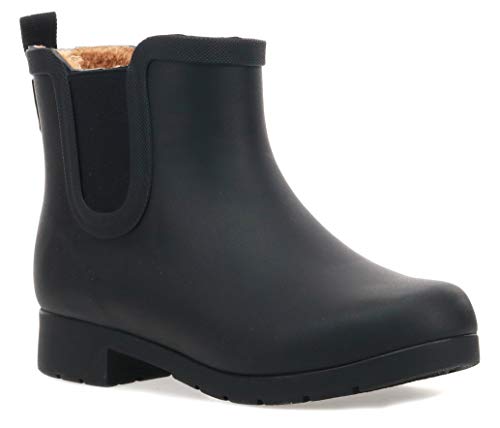
Chooka Women's Waterproof Plush Chelsea Bootie Chelsea Boot, Delridge Black, 9 M
Check price on Amazon
Dunlop Protective Footwear, Chesapeake plain toe Black Amazon, 100% Waterproof PVC, Lightweight and Durable, 8677577.11, Size 11 US
Check price on Amazon
NORTIV 8 Men's Ankle High Waterproof Hiking Boots,All Black,11 | Outdoor Lightweight Hiking Boots for Camping, Trekking and Mountaineering Armadillo
Check price on Amazon
PROJECT CLOUD 100% Genuine Leather Womens Boots Ankle Boots for Women Shoes | Water Resistant Memory Foam Insole Winter Shoes - Trendy Footwear Outdoor Fall Shoes for Women - Winter Booties for Women
Check price on Amazon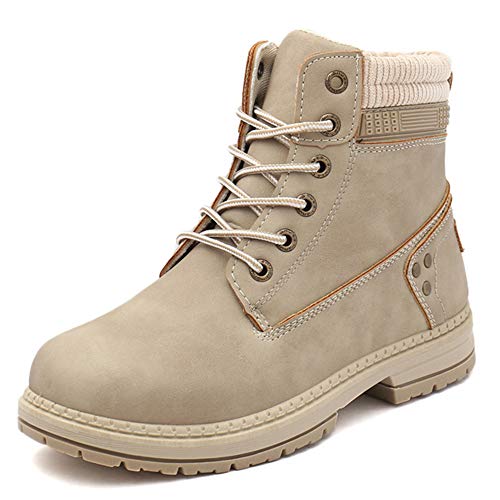
Athlefit Women's Lace-Up Work Hiking Combat Ankle Boots Khaki Size 8 | Waterproof Work Booties Shoes, Comfort Padded Collar, All-Weather Fit for Farm, Outdoor Camping & Daily Wear
Check price on Amazon
CKWLXQY Men's Deck Boots, Waterproof Non-Slip Ankle Rain Boots for Fishing | Waterproof rubber ankle boots with non-slip traction for fishing, gardening, farming, boating and wet outdoor work.
Check price on Amazon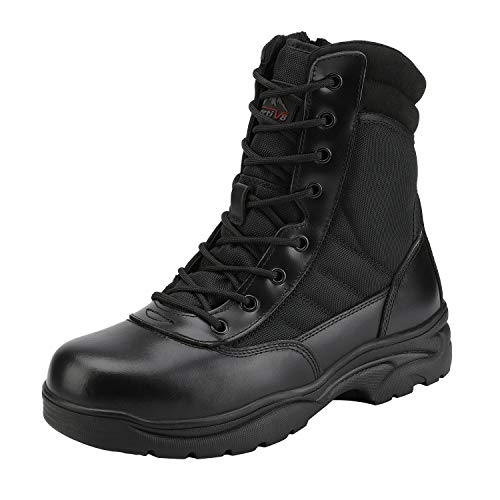
NORTIV 8 Men's Military Tactical Work Boots,Black,12 | Side Zipper Leather Motorcycle Combat Boots for Outdoor Work Hiking Tactical Use and Daily Wear Trooper
Check price on AmazonFinal Thoughts: Choosing the Right Water Resistant Boots
Water resistant boots are a smart investment for anyone who wants reliable protection from the elements without sacrificing comfort or breathability. By understanding the difference between water resistant and waterproof, selecting the right materials, and committing to proper care, you can enjoy dry, comfortable feet in a wide range of conditions.
Whether you are hitting the trails, commuting to work, or simply running errands on a drizzly day, there is a water resistant boot out there for you. Use the insights in this guide to make a confident purchase, and do not forget to check out our recommended products above for some of the best options on the market today.