
Men's Black Hiking Boots: The Complete Guide
Everything you need to know before buying black hiking boots for men. From waterproof membranes to ankle support and traction, we break down the features that matter most on the trail.
Shop Top PicksWhy Black Hiking Boots? Black hiking boots for men offer a timeless, versatile look that hides dirt and scuffs better than lighter colors. They pair well with any outdoor gear and transition seamlessly from the trail to casual wear. This guide will help you choose the right pair based on fit, terrain, and budget.
Best Men's Black Hiking Boots to Buy Now
⚠️ AFFILIATE DISCLOSURE: This website contains affiliate links. As an affiliate Associate, we earn from qualifying purchases. If you make a purchase through these links, we may receive a small commission at no additional cost to you. Read our full affiliate policy.

NORTIV 8 Men's Ankle High Waterproof Hiking Boots,All Black,11 | Outdoor Lightweight Hiking Boots for Camping, Trekking and Mountaineering Armadillo
Check price on Amazon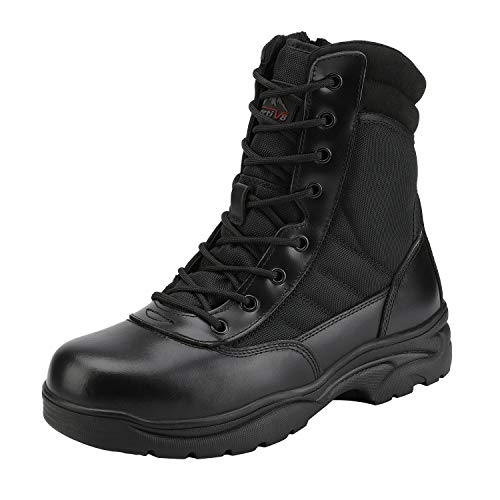
NORTIV 8 Men's Military Tactical Work Boots,Black,10 | Side Zipper Leather Motorcycle Combat Boots for Outdoor Work Hiking Tactical Use and Daily Wear Trooper
Check price on Amazon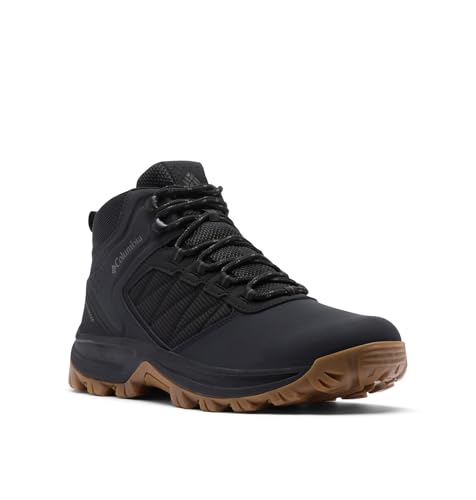
Columbia Men's Transverse Waterproof Hiking Boot, Black/Black, 10 | Transverse Hike Waterproof Shoe offers dry comfort and all-terrain traction on any trail
Check price on Amazon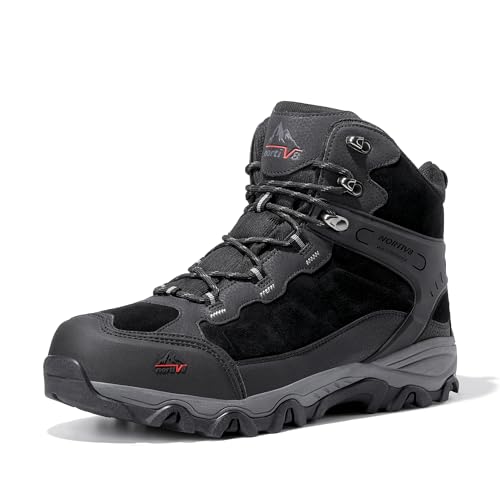
NORTIV 8 Men's Waterproof Lightweight Hiking Boots,Black,10 | Mid Top Suede Hiking Boots for Outdoor Trekking, Camping and Mountaineering Paladin
Check price on Amazon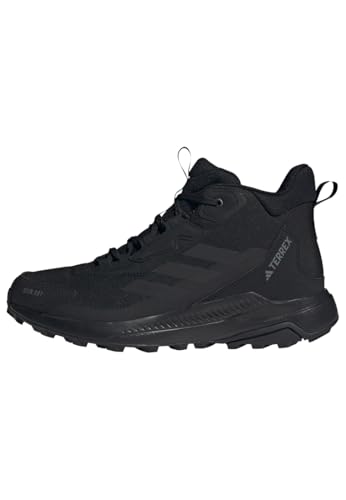
adidas Men's Terrex Anylander Mid Rain.RDY Hiking, Black/Black/Grey, 11.5
Check price on Amazon
Columbia Mens Transverse Waterproof Hiking Boot, Black/Mountain Red, 11 | Transverse Hike Waterproof Shoe offers dry comfort and all-terrain traction on any trail
Check price on Amazon
Columbia Men's Newton Ridge II Waterproof Hiking Boot | High Traction, All Day Comfort, Fully Waterproof, Wide Fit Available
Check price on Amazon
SHULOOK Men's Waterproof Hiking Boots, Lightweight Breathable Outdoor Shoes | Non Slip Traction and Ankle Support for Trekking, Camping, Backpacking, Trail Walking and Daily Adventures
Check price on AmazonWhy Invest in Quality Black Hiking Boots?
Hiking boots are the single most important piece of gear for any outdoor adventure. A good pair protects your feet from rocks, roots, and uneven terrain while providing the support your ankles need to carry a pack over long distances. Men's black hiking boots are a particularly smart choice because they offer a sleek, understated look that works equally well on the mountain and around town. Unlike bright, flashy colors that can show every speck of mud, black boots maintain a clean appearance with minimal effort. They also tend to pair more easily with a wider range of outdoor clothing and casual outfits.
When you are researching options for durable walking boots, it helps to understand the core construction features. A quality hiking boot typically consists of three main components: the upper, the midsole, and the outsole. The upper is usually made from leather, synthetic materials, or a combination of both. Full-grain leather is the most durable and water-resistant option, while synthetic uppers are lighter and dry faster. The midsole provides cushioning and support, often using EVA foam or polyurethane. The outsole is the rubber bottom that grips the ground, and its lug pattern determines how well the boot performs on different surfaces.
Key Features to Look For in Men's Black Hiking Boots
1. Waterproofing & Breathability
Waterproof membranes like Gore-Tex or eVent keep your feet dry in wet conditions, but they can also trap sweat. Look for boots with breathable membranes or ventilation panels if you hike in warm climates. For wet, muddy trails, a fully waterproof boot is essential. Related: water-resistant boots.
2. Ankle Support & Height
Mid-cut and high-cut boots provide more ankle support than low-cut options. If you carry a heavy pack or hike on rocky, uneven terrain, a higher cut is safer. For lighter trails, a low-cut men's ankle boot may be sufficient and lighter on your feet.
3. Traction & Outsole
The outsole is what keeps you on your feet. Look for deep, aggressive lugs made from sticky rubber compounds like Vibram. The tread pattern should shed mud and grip on both wet and dry surfaces. For technical terrain, consider boots with a heel brake and a pronounced toe rand.
4. Weight & Materials
Lighter boots reduce fatigue on long hikes, but ultralight models often sacrifice durability. Leather boots are heavier but last longer. Synthetic boots are lighter and dry faster. Choose based on your priority: longevity or speed.
5. Fit & Comfort
A proper fit is non-negotiable. Your heel should be locked in place with no slipping, and your toes should have about a thumb's width of space at the front. Consider aftermarket insoles for arch support, especially if you have flat feet or high arches. Related: orthopedic boots for men.
6. Break-In Period
Leather boots often require a break-in period. Wear them around the house or on short walks before a big hike. Synthetic boots typically require less break-in time. Always wear the socks you plan to hike in when trying on boots.
Comparison: Types of Hiking Boots for Men
| Type | Best For | Ankle Support | Weight | Typical Price |
|---|---|---|---|---|
| Lightweight Hikers | Day hikes, well-maintained trails | Low to Mid | Light | $80–$150 |
| Midweight Boots | Multi-day trips, mixed terrain | Mid | Moderate | $150–$250 |
| Heavyweight Backpacking Boots | Heavy packs, rugged terrain | High | Heavy | $250–$400 |
| Waterproof Winter Boots | Snow, cold, wet conditions | Mid to High | Moderate to Heavy | $120–$300 |
Pros and Cons of Black Hiking Boots
✅ Pros
- Versatile, stylish look that works on and off the trail
- Hides dirt, scuffs, and mud better than lighter colors
- Easier to coordinate with outdoor clothing
- Suitable for casual wear and urban environments
- Often available in classic, timeless designs
❌ Cons
- Can absorb heat in direct sunlight
- Less visible in low-light conditions (safety consideration)
- May show salt stains in winter (if not cleaned properly)
- Limited color options compared to other boot styles
How to Choose the Right Pair for Your Needs
Before you buy, consider the type of hiking you do most often. If you stick to well-maintained trails and day hikes, a lightweight or midweight boot will serve you well. If you tackle rugged, rocky terrain with a heavy backpack, invest in a sturdier, high-cut boot with maximum ankle support. For winter hiking, look for insulated, waterproof models. If you split your time between the trail and the city, a versatile black boot with a slightly more casual design might be your best bet.
It is also worth thinking about the season. Summer hikers may prefer breathable, low-cut boots, while winter adventurers need insulation and full waterproofing. For those who hike in wet, muddy conditions, a boot with a high rubber rand and aggressive tread is ideal. If you are looking for options that work well in wet weather, you might also explore waterproof hunting boots or black waterproof boots for additional inspiration.
Budget is another important factor. You can find decent entry-level hiking boots for around $80–$150, but if you hike frequently, spending $150–$250 will get you better materials, construction, and comfort. Premium boots from brands like Salomon, Merrell, Keen, and Lowa often cost $200–$350 and can last for many seasons with proper care. Remember that durable walking boots are an investment in your comfort and safety.
Caring for Your Black Hiking Boots
To get the most out of your investment, clean your boots after every hike. Remove mud and dirt with a soft brush and lukewarm water. For leather boots, apply a conditioner or leather cream to keep the material supple and prevent cracking. For synthetic boots, use a mild soap and allow them to air dry away from direct heat. Re-waterproof your boots periodically with a spray or wax, especially if you notice water starting to seep in. Store your boots in a cool, dry place, and avoid leaving them in a hot car or damp garage.
If you hike in snowy or icy conditions, be aware that salt and ice can damage leather and rubber. Rinse your boots with fresh water after exposure to salt, and consider using a boot dryer to remove moisture from the inside. For more tips on keeping your footwear in top shape, explore our guides on water-resistant boots and black waterproof boots.
Frequently Asked Questions
Final Thoughts
Choosing the right pair of men's black hiking boots comes down to understanding your hiking style, the terrain you frequent, and your budget. Prioritize fit and comfort above all else, and don't be afraid to invest in quality. A well-made pair of black hiking boots will serve you for many seasons, keeping your feet dry, supported, and comfortable on every adventure. Whether you are tackling a local trail or planning a multi-day trek, the right boots make all the difference.
For more footwear inspiration and guides, explore our related articles on men's ankle boots, orthopedic boots for men, and durable walking boots. Happy hiking!