
Wader Boots: The Complete Guide to Choosing, Fitting & Caring
Whether you are fly fishing in a mountain stream, duck hunting in a marsh, or working in wet terrain, the right wader boots keep you dry, stable, and comfortable. This guide covers everything you need to know before you buy.
View Top PicksWhy Wader Boots Matter: Unlike regular hiking boots, wader boots are engineered for immersion. They must drain water, grip on slick rocks, and resist abrasion from gravel and debris. Choosing the wrong pair can lead to cold, wet feet, slips, and ruined fishing trips. This guide will help you avoid those mistakes.
Best Wader Boots for Fishing & Wet Environments
⚠️ AFFILIATE DISCLOSURE: This website contains affiliate links. As an affiliate Associate, we earn from qualifying purchases. If you make a purchase through these links, we may receive a small commission at no additional cost to you. Read our full affiliate policy.

FROGG TOGGS Men's Hellbender Waterproof Fishing Wading Boot for Fishing in Felt or Cleated, Cleated, 12
Check price on Amazon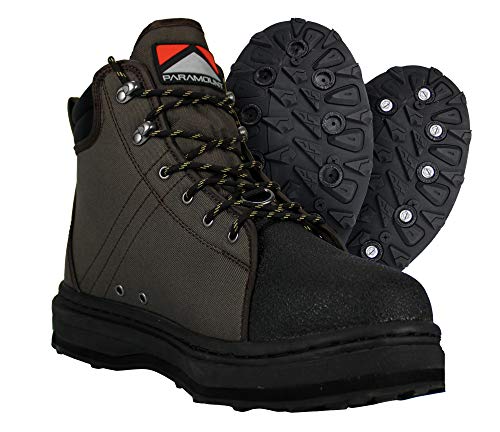
Paramount Outdoors Stonefly Cleated Sole Wading Boot, Rubber Bottom Wading Shoe (11)
Check price on Amazon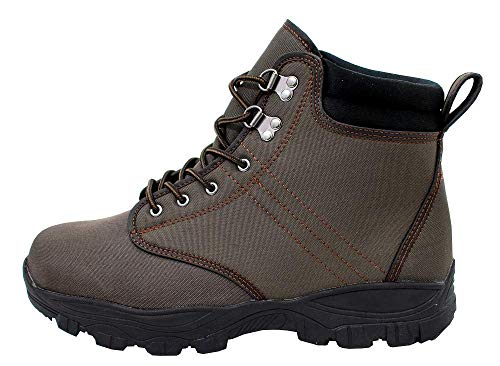
FROGG TOGGS Men's Rana Elite Waterproof Wading Boots for Fishing in Felt or Lugged Waders
Check price on Amazon
Dunlop Protective Footwear, Chesapeake plain toe Black Amazon, 100% Waterproof PVC, Lightweight and Durable, 8677577.11, Size 11 US
Check price on Amazon
FROGG TOGGS Men's Aransas II Neoprene Surf & Sand Waterproof Fishing Wading Boot for Fishing, Grey, 11
Check price on Amazon
Foxelli Wading Boots – Lightweight Fly Fishing Boots for Men, Rubber Sole Wading Shoes
Check price on Amazon
Foxelli Wading Boots – Lightweight Fly Fishing Boots for Men, Rubber Sole Wading Shoes
Check price on Amazon
FROGG TOGGS Men's Deep Current Fishing Wading Boot in Cleated or Felt
Check price on AmazonWhat Exactly Are Wader Boots?
Wader boots are specialized footwear designed to be worn with or without waders, primarily for activities that involve standing or walking in water. They are distinct from standard walking boots because they prioritize drainage, quick-drying materials, and superior traction on wet, uneven surfaces. Most wader boots feature a rugged rubber or synthetic upper, a reinforced toe cap, and a studded or felt sole for grip on mossy rocks and riverbeds.
The term "wader boots" is often used interchangeably with "wading boots," but there is a subtle difference. Wader boots are typically worn over the neoprene or rubber stocking feet of chest waders, while wading boots can also be worn with wet-wading socks or gravel guards. Regardless of the terminology, the goal is the same: keep your feet protected, warm, and stable in aquatic environments.
Key Features to Consider Before Buying
1. Sole Type & Traction
The sole is the most critical component. There are three main types:
- Felt soles: Excellent grip on slick, mossy rocks, but banned in some states due to invasive species transfer.
- Rubber soles: Versatile, durable, and legal everywhere. Best for mixed terrain and hiking to fishing spots.
- Studded soles: Rubber soles with metal studs for maximum traction on icy or extremely slippery surfaces.
2. Drainage & Quick-Dry
Water will get in—it's inevitable. The best wader boots have mesh drainage ports and quick-drying linings to let water escape and prevent that heavy, soggy feeling. Avoid boots with thick padding that soaks up water like a sponge.
3. Fit & Sizing
Wader boots are typically sized to accommodate the stocking foot of your waders. You may need to size up or down depending on the thickness of your wader's neoprene. Always try boots on with the exact socks and waders you plan to wear. A snug but not tight fit prevents blisters and cold feet.
4. Material & Durability
Look for abrasion-resistant materials like synthetic leather, ballistic nylon, or reinforced rubber. Stitching should be double or triple-stitched in high-wear areas. A rubber toe cap and heel counter add years of life to the boot.
5. Support & Comfort
Wading puts stress on your ankles and knees. Choose boots with adequate ankle support, a cushioned midsole, and a comfortable footbed. If you have plantar fasciitis, consider boots with removable insoles or added arch support.
6. Weight
Lighter boots reduce fatigue during long walks to and from the water. However, ultralight boots may sacrifice durability. Find a balance that suits your typical fishing or hunting conditions.
Wader Boots vs. Other Footwear
To understand why wader boots are essential, it helps to compare them with alternatives you might already own.
| Feature | Wader Boots | Hiking Boots | Rubber Boots |
|---|---|---|---|
| Primary Use | Fishing, hunting, wet wading | Dry trails, hiking | Mud, rain, general wet work |
| Drainage | Excellent (mesh ports) | Poor (waterproof membrane traps water) | None (fully waterproof) |
| Traction on Slick Rocks | Excellent (felt or studded rubber) | Moderate | Poor to moderate |
| Ankle Support | Good to excellent | Excellent | Minimal |
| Weight (per boot) | 1.5–3 lbs | 1–2 lbs | 2–4 lbs |
| Price Range | $80–$250 | $100–$300 | $30–$100 |
How to Choose the Right Wader Boots for Your Needs
The "best" wader boot depends entirely on where and how you plan to use it. Here is a breakdown based on common scenarios.
For Fly Fishing
Fly anglers often walk long distances and wade in tricky currents. Prioritize:
- Rubber soles with studs for versatility and legality
- Lightweight design for all-day comfort
- Quick-drying materials to prevent weight gain
- Reinforced toe for kicking rocks
If you also enjoy waterproof hiking boots for dry trails, keep a separate pair for wading to extend the life of both.
For Hunting & Marshland
Duck hunters and marsh walkers need maximum durability and warmth. Look for:
- Insulated options for cold water
- Aggressive rubber soles for mud and vegetation
- High abrasion resistance against brush and stumps
- Easy on/off design for quick transitions
For general wet-weather work, rubber boots for men can be a good alternative, but they lack the drainage and specialized traction of true wader boots.
For Budget-Conscious Buyers
You don't need to spend a fortune. Entry-level wader boots from reputable brands start around $80. Focus on:
- Rubber soles (avoid felt for legality reasons)
- Basic drainage mesh
- Simple lacing system
- Check boots on sale for seasonal discounts
If you are unsure about sizing, read our boots price to quality guide to avoid false economies.
Fit & Sizing: Getting It Right the First Time
A poor fit is the number one reason anglers hate their wader boots. Follow these steps to ensure a proper fit:
Step 1: Wear Your Waders
Always try on wader boots while wearing the exact waders and socks you plan to use. The stocking foot of your waders adds volume—sometimes up to a full size.
Step 2: Check Toe Room
You should have about a thumb's width of space between your longest toe and the front of the boot. This prevents toe bang when walking downhill or bracing against current.
Step 3: Heel Lock
Your heel should not slip when you walk. If it does, the boot is too long or the lacing system is inadequate. Heel slip causes blisters and instability on uneven riverbeds.
Step 4: Width & Volume
If you have wide feet, look for boots with a wider toe box. Some brands offer wide sizes specifically for this purpose. For general guidance, see our comfortable work boots for wide feet article, as many principles apply.
Step 5: Lacing & Adjustability
A good lacing system lets you customize the fit. Look for boots with multiple eyelets and a locking hook at the ankle to keep your heel secure.
Step 6: Break-In Period
Even the best boots need a short break-in period. Wear them around the house or on short walks before heading out on a full-day trip. For more tips, read our boots break-in guide.
Caring for Your Wader Boots
Proper care extends the life of your wader boots and ensures they perform when it matters. Follow these simple steps after every trip.
Rinse Thoroughly
After each use, rinse your boots with fresh water to remove mud, sand, and salt. This prevents abrasion and material degradation. Pay special attention to drainage ports and laces.
Dry Properly
Air-dry your boots in a shaded, well-ventilated area. Avoid direct heat sources like radiators or direct sunlight, which can crack rubber and warp synthetic materials. Stuff with newspaper to absorb moisture and maintain shape.
Clean & Condition
For leather or synthetic leather parts, use a mild cleaner and conditioner. Our leather boot cleaner and conditioner guide covers safe products and techniques. For rubber parts, a simple soap-and-water wash is sufficient.
Inspect for Damage
Check soles for wear, laces for fraying, and stitching for loose threads. Replace worn studs and laces before they fail on the water. A small repair now prevents a major problem later.
Store Correctly
Store boots in a cool, dry place away from direct sunlight. Avoid compressing them under heavy gear. If you have multiple pairs, consider a boot bag for organized storage and transport.
Prevent Invasive Species
If you fish in different waters, clean and dry your boots between trips to prevent the spread of invasive species. Some states require specific decontamination procedures. Check local regulations.
Common Mistakes to Avoid When Buying Wader Boots
Mistake 1: Buying Without Trying With Waders
This is the biggest error. A boot that feels great with regular socks may be too tight with neoprene stocking feet. Always try before you buy, or ensure the retailer has a generous return policy.
Mistake 2: Choosing Felt Soles Without Checking Legality
Felt soles are banned in several states and countries because they can harbor invasive organisms. Always check local regulations before purchasing felt-soled boots. Rubber soles with studs are a safer, more versatile choice.
Mistake 3: Prioritizing Price Over Fit
A cheap boot that doesn't fit will ruin your trip. It's better to save for a mid-range boot that fits perfectly than to buy a budget boot that causes blisters and instability. Use our boots price to quality guide to find the sweet spot.
Mistake 4: Ignoring Drainage
Boots without proper drainage become heavy and cold. Water inside the boot is inevitable; the key is letting it out quickly. Mesh ports and quick-dry linings are non-negotiable for serious wading.
Mistake 5: Neglecting Ankle Support
Wading puts tremendous stress on your ankles. Boots with poor support increase the risk of sprains and falls. If you have weak ankles or plan to wade in fast currents, prioritize high-top boots with rigid support.
Frequently Asked Questions About Wader Boots
Can I wear wader boots without waders?
Yes, many anglers wear wader boots with wet-wading socks or gravel guards for warm-weather wading. This is called "wet wading" and is popular in summer. Just ensure your boots fit properly with the socks you choose.
How do I know if my wader boots are too big?
If your heel slips when you walk, or if you can slide your foot forward more than a thumb's width, the boots are too big. Excessive volume can also cause blisters and instability. Size down or try a different model with a narrower last.
Are felt soles better than rubber soles?
Felt soles offer superior grip on slick, mossy rocks, but they are banned in many areas due to environmental concerns. Rubber soles with studs are nearly as effective, more durable, and legal almost everywhere. For most anglers, studded rubber is the best choice.
How long do wader boots last?
With proper care, a good pair of wader boots can last 3–5 years or more. Heavily used boots may need sole replacement or repair after 2–3 years. Regular rinsing, drying, and inspection will maximize their lifespan.
Can I use hiking boots as wader boots?
Not recommended. Hiking boots are designed to keep water out, which means if water gets in, it stays in. Wader boots are designed to drain and dry quickly. Using hiking boots for wading will lead to cold, wet feet and potential damage to the boots.
What socks should I wear with wader boots?
Wear moisture-wicking socks made of merino wool or synthetic blends. Avoid cotton, which holds water and causes blisters. In cold conditions, consider insulated socks. The thickness of your socks will affect boot fit, so always try boots with the socks you plan to wear.
Ready to Find Your Perfect Wader Boots?
Browse our curated selection of top-rated wader boots for fishing, hunting, and wet environments. Whether you need budget-friendly options or premium performance, we've got you covered.
Shop Wader Boots NowExplore More Boot Guides
Wader boots are just one piece of the puzzle. If you're building a complete footwear collection, check out these related guides:
For Wet & Cold Conditions
- Waterproof Hiking Boots – For dry trails and wet weather
- Winter Hiking Boots – Insulated for snow and ice
- Rubber Boots for Men – Simple, waterproof protection
- Gumboots – Classic wet-weather footwear
For Comfort & Support
- Boots for Plantar Fasciitis – Relief for heel pain
- Shock-Absorbing Boots – Reduce impact on joints
- Comfortable Waterproof Walking Boots – All-day comfort
- Wide Calf Boots – For broader calves and feet
For Care & Maintenance
- Boot Care – Essential maintenance tips
- Boot Care and Maintenance – Deep-dive guide
- Leather Conditioner for Shoes – Keep leather supple
- Boot Polish Kit – Restore shine and color