
Winter Hiking Boots: Your Ultimate Guide to Warm, Dry, and Safe Trails
Don't let cold feet cut your adventure short. Discover how to choose the perfect winter hiking boots for insulation, waterproofing, traction, and all-day comfort on snowy, icy, and wet trails.
START YOUR WINTER ADVENTUREWhy Winter Hiking Boots Are Different
Winter hiking presents unique challenges that standard walking boots simply cannot handle. When temperatures drop below freezing, trails become covered in snow, ice, and slush. Your footwear needs to do far more than just protect your feet—it must insulate against the cold, keep moisture out while allowing sweat to escape, and provide reliable traction on unpredictable terrain.
Unlike summer hiking, where breathability and lightweight construction are priorities, winter hiking boots are engineered around thermal regulation, waterproof protection, and aggressive grip. A poor choice can lead to frozen toes, slips on icy switchbacks, or painful blisters from trapped moisture. This guide will walk you through every critical feature so you can invest confidently in a pair that keeps you warm and stable all season long.
If you're also looking for footwear for wet but milder conditions, you might explore our guide to comfortable waterproof walking boots, which shares some overlapping technologies with winter-specific designs.
Key Features of a Great Winter Hiking Boot
Before diving into specific recommendations, it's essential to understand the anatomy of a winter hiking boot. Each component plays a vital role in your comfort and safety.
❄️ Insulation
Thinsulate, PrimaLoft, or felt liners trap body heat. Ratings from 200g to 800g+ determine warmth level. Choose based on activity and temperature.
💧 Waterproofing
Gore-Tex, eVent, or proprietary membranes block external moisture while letting sweat vapor escape. Essential for slush and stream crossings.
🥾 Traction & Outsole
Deep, aggressive lugs with rubber compounds that stay soft in cold. Look for Vibram Arctic Grip or similar winter-specific soles.
🦶 Fit & Support
Roomy toe box for thicker socks, secure heel lock, and midfoot support. Ankle height aids stability on uneven snow.
🧤 Gaiter Compatibility
D-rings or loops for attaching gaiters keep snow out. Many winter boots have integrated gaiter attachments.
⚖️ Weight vs. Warmth
Heavier boots offer more insulation but cause fatigue. Balance based on hike length and intensity.
Insulation Ratings Explained: How Warm Do You Need?
Insulation is measured in grams (g). The higher the number, the warmer the boot—but also the bulkier and heavier it becomes. Here's a quick breakdown to match insulation to your needs:
| Insulation Level | Best For | Temperature Range | Activity Level |
|---|---|---|---|
| 200g – 400g | Active winter hiking, mild winters, high-output activities | 20°F to 40°F (-6°C to 4°C) | Moderate to strenuous |
| 400g – 600g | General winter hiking, snowshoeing, cold but not extreme | 0°F to 25°F (-18°C to -4°C) | Light to moderate |
| 600g – 800g+ | Extreme cold, winter camping, low activity in deep snow | -20°F to 10°F (-29°C to -12°C) | Low (standing, camp chores) |
💡 Pro Tip: If you plan to be very active (e.g., steep ascents with a pack), choose less insulation—your feet will generate heat. For leisurely walks or standing around camp, go warmer. Also remember: boots that are too warm cause sweating, which leads to cold, wet feet. Breathability matters as much as insulation.
Waterproofing: Keeping Moisture Out (and Sweat Away)
In winter, water comes in many forms: snow that melts on contact, slush, freezing rain, and hidden puddles under snow. A waterproof membrane is non-negotiable. However, not all waterproofing is equal.
Types of Waterproof Membranes
- Gore-Tex: The gold standard. Highly breathable and durably waterproof. Found in premium winter boots. Expect to pay more for this technology.
- eVent: Similar performance to Gore-Tex, often slightly more breathable. Used by some technical brands.
- Proprietary Membranes: Brands like Columbia (Omni-Tech), Merrell (M-Select Dry), and Keen (Keen.Dry) offer good performance at lower price points.
- Full-Grain Leather with Treatment: Naturally water-resistant when properly waxed, but requires maintenance. Not as breathable as synthetic membranes.
For more details on maintaining waterproof leather, see our boot care guide.
⚠️ Important: Waterproof membranes eventually wear out or get clogged with dirt and sweat. Regular cleaning and re-waterproofing sprays (like Nikwax or Granger's) will extend their life. Also, always wear moisture-wicking socks—cotton socks trap sweat and defeat the purpose of a breathable membrane.
Traction & Outsole: Staying Upright on Ice and Snow
Slipping on ice is the most common winter hiking injury. A good winter boot must have an outsole designed specifically for cold-weather grip. Here's what to look for:
- Aggressive Lug Pattern: Deep, widely spaced lugs (5mm+) that bite into snow and mud. They should also have "siping" (tiny slits) for grip on wet ice.
- Winter-Specific Rubber: Standard rubber hardens in cold and loses grip. Look for compounds like Vibram Arctic Grip, Vibram Icetrek, or proprietary blends that remain soft below freezing.
- Heel Brake: A pronounced heel lug helps with downhill braking on snow.
- Toe Claw: Some boots have a slightly raised front edge for kicking steps into snow.
For extreme icy conditions, consider removable traction devices like microspikes or crampons. Many winter hiking boots have a heel welt for semi-automatic crampons, while others work best with strap-on spikes. If you're tackling serious alpine terrain, see our guide to waterproof hiking boots for more technical options.
Getting the Right Fit for Winter Hiking Boots
Fit is always crucial, but in winter it's even more important. A boot that's too tight restricts circulation—the very thing that keeps your feet warm. Too loose, and you'll get blisters and poor stability.
The Golden Rules of Winter Boot Fitting
- Size Up (Usually): Try boots with the thick socks you'll wear hiking. You should have a thumb's width (about 1–1.5 cm) between your longest toe and the front of the boot. This allows for swelling and prevents toe bang on descents.
- Heel Lock: Your heel should not lift more than a tiny amount when you walk. Excessive heel slip causes blisters.
- Width Matters: If you have wide feet, look for brands known for wider lasts (Keen, Oboz, Lowa). Some models come in wide sizes—always check. Our guide to comfortable work boots for wide feet has tips that apply to hiking boots too.
- Arch Support: A supportive footbed reduces fatigue. If you need extra support, consider aftermarket insoles. For those with specific foot conditions, see our article on women's hiking boots for plantar fasciitis.
- Try Them On in the Afternoon: Feet swell during the day. End-of-day fitting is more accurate.
- Wear Them Around the House: Before hitting the trail, break them in indoors and on short walks. For a full guide, check our boots break-in guide.
💡 Lacing Tip: Use a "heel lock" lacing technique (also called runner's loop) to secure your heel and prevent slippage. This is especially effective for winter boots that may feel slightly roomy in the toe box.
Materials: Leather, Synthetic, or Hybrid?
Winter hiking boots come in three main material categories. Each has pros and cons:
| Material | Pros | Cons | Best For |
|---|---|---|---|
| Full-Grain Leather | Durable, naturally water-resistant, molds to foot, classic look | Heavy, needs regular waxing, dries slowly | Cold dry snow, rugged terrain, long-term durability |
| Synthetic (Nylon, Polyester) | Lightweight, fast-drying, affordable, often more breathable | Less durable, can absorb water if membrane fails | Wet snow, slush, high-output activities |
| Hybrid (Leather + Synthetic) | Balances durability, weight, and cost. Common in mid-range boots. | Varies widely in quality | All-around winter hiking |
For more on leather care, see our guide to leather boot cleaner and conditioner.
Winter Hiking Boots vs. General Snow Boots
It's a common question: can I just wear my regular snow boots for hiking? The answer is usually no. Here's why:
- Snow boots (like Sorel or Kamik) are designed for warmth and waterproofing during casual wear, shoveling, or walking around town. They often lack the ankle support, torsional rigidity, and aggressive traction needed for uneven trails.
- Winter hiking boots prioritize stability, support under load (with a backpack), and grip on steep, varied terrain. They may be less warm than dedicated snow boots but are far more capable on the move.
If your winter activities are limited to flat, short walks, a high-quality snow boot may suffice. But for any real hiking, invest in proper winter hiking boots. For more extreme cold-weather options, see our snow boots category.
Recommended Winter Hiking Boots
⚠️ AFFILIATE DISCLOSURE: This website contains affiliate links. As an affiliate Associate, we earn from qualifying purchases. If you make a purchase through these links, we may receive a small commission at no additional cost to you. Read our full affiliate policy.
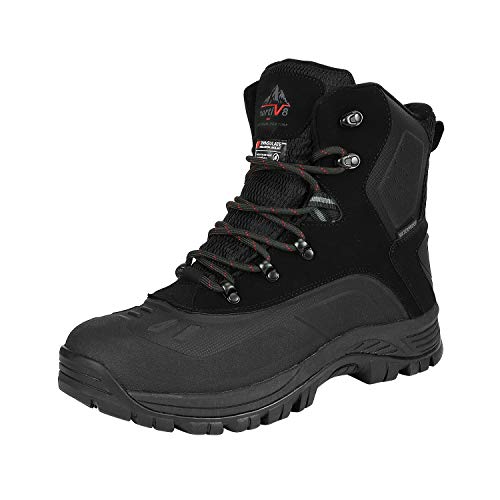
NORTIV 8 Men's Waterproof Hiking Winter Snow Boots,Black/1,9 | Insulated Construction Hunting Ski Work Boots TUNDRA
Check price on Amazon
Columbia Mens Fairbanks Omni-Heat, Deep Olive/Desert Sun, 9 | Why We Like The Columbia Fairbanks Omni-Heat Boot
Check price on Amazon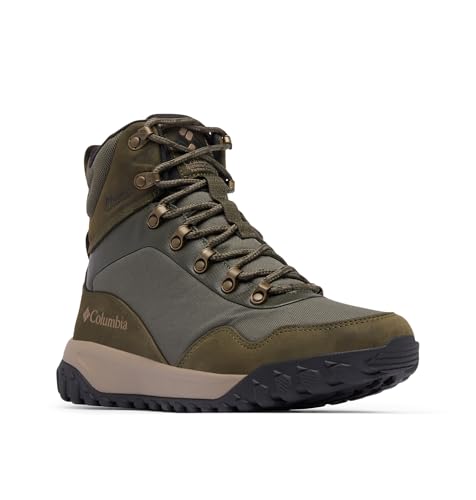
Columbia Men's Burnsider Omni-Heat Infinity Waterproof Hiking Boot | Fully Waterproof, Insulated, High Traction, Wide Fit Available
Check price on Amazon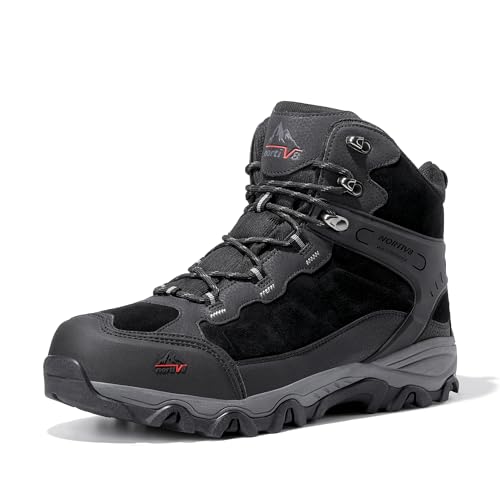
NORTIV 8 Men's Waterproof Lightweight Hiking Boots,Black,11 | Mid Top Suede Hiking Boots for Outdoor Trekking, Camping and Mountaineering Paladin
Check price on Amazon
Columbia Men's Newton Ridge II Waterproof Hiking Boot | High Traction, All Day Comfort, Fully Waterproof, Wide Fit Available
Check price on Amazon
Timberland Men's Mt. Maddsen Anti-Fatigue Hiking Wateproof Leather Hiking Boot, Dark Brown Full-Grain, 12 Medium
Check price on Amazon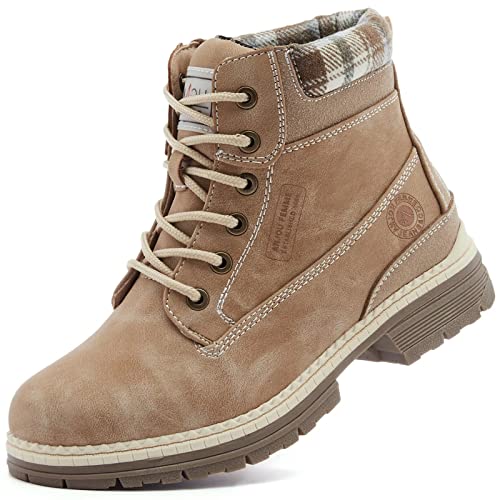
ANJOUFEMME Outdoor Hiking Boots for Women Waterproof - Womens Ankle Boots Lightweight Snow Winter Boots for Trekking Walking
Check price on Amazon
Alvada Merino Wool Hiking Socks Thermal Warm Crew Winter Boot Sock For Men Women 3 Pairs ML
Check price on AmazonHow Much Should You Spend?
Winter hiking boots range from budget-friendly to premium. Here's a realistic breakdown of what you get at each price point:
- $80 – $150: Entry-level boots. Often have basic waterproofing (or none), less insulation, and simpler outsoles. Suitable for occasional, mild winter walks. May lack durability for frequent use.
- $150 – $250: The sweet spot for most hikers. You'll find reputable brands, Gore-Tex or equivalent membranes, 200g–400g insulation, and Vibram or similar outsoles. Great balance of performance and value.
- $250 – $400+: Premium and expedition-grade. Maximum warmth (600g+), top-tier materials (full-grain leather, advanced membranes), and winter-specific rubber compounds. For serious winter adventurers or those who demand the best.
Remember that a great pair of boots can last many seasons with proper care. Investing in quality often saves money long-term. For tips on finding deals, see our boots on sale page and our guide on boots price to quality.
Winter Boot Care: Make Them Last
Winter conditions are brutal on footwear. Salt, snow, mud, and repeated wet-dry cycles take a toll. Proper care is essential to maintain performance and longevity.
Essential Winter Boot Care Tips
- Clean After Every Hike: Rinse off mud, salt, and debris with cool water. Use a soft brush. Avoid hot water, which can damage leather and membranes.
- Dry Properly: Never put boots near a fire, radiator, or in direct sun. Air-dry at room temperature, stuffing with newspaper or using a boot dryer on low heat. For more, see our guide to boot care and maintenance.
- Re-Waterproof Regularly: Even Gore-Tex boots benefit from a DWR (Durable Water Repellent) treatment on the exterior. Use sprays or waxes appropriate for your boot's material. Check our leather conditioner for shoes recommendations.
- Store Correctly: Keep boots in a cool, dry place. Use boot bags or storage covers to protect from dust and moisture. Avoid compressing them.
- Replace Insoles: Insoles break down over time and lose insulation value. Consider replacing them annually or when they feel flat.
🧼 Deep Clean Frequency: For frequent winter hikers, a thorough deep clean and re-waterproofing every 4–6 weeks during the season is ideal. For occasional use, once at the start and end of winter is sufficient.
Frequently Asked Questions
Can I use my regular hiking boots in winter?
Not safely. Regular hiking boots lack insulation, may not be fully waterproof, and their outsoles harden in cold, losing grip. You risk frostbite, slips, and wet feet. Always choose boots designed for winter conditions.
How do I know if my winter boots are warm enough?
Match insulation to your activity and expected temperatures (see our insulation table above). If you tend to have cold feet, consider adding heated insoles or choosing a higher insulation rating. Also ensure boots aren't too tight—restricted circulation makes feet colder.
Are winter hiking boots good for snowshoeing?
Yes, most winter hiking boots work well with snowshoes. Look for boots with a slightly flexible sole and secure heel. Avoid extremely stiff mountaineering boots unless your snowshoes have specific compatibility.
Should I size up for winter boots?
Generally, yes—especially if you'll wear thick socks. You need room for toe movement and circulation. However, don't size up so much that your heel slips. Try boots with your intended socks.
How long do winter hiking boots last?
With proper care, a quality pair can last 3–5 years or more for average use. Frequent, heavy use may reduce that to 2–3 years. Watch for worn-out soles, compromised waterproofing, and packed-out insulation.
Can I wear winter hiking boots for everyday use?
Absolutely, if they're comfortable. Many people wear them for commuting or walking in snow. However, they may be overkill (and too warm) for milder days or indoor wear. Consider a lighter winter shoe for those times.
Final Thoughts: Invest in Warm, Safe Adventures
Winter hiking opens up a magical world of serene, snow-covered landscapes. But it also demands respect and preparation. Your boots are your foundation—literally. Choosing the right pair involves understanding insulation, waterproofing, traction, and fit, and matching those features to your specific adventures.
Don't settle for boots that leave you cold or slipping. Use this guide to make an informed decision, and don't hesitate to invest in quality. Your feet—and your entire winter experience—will thank you.
Ready to explore more? Check out our boots starter hub for beginners, or dive into our boot purchase guides for detailed comparisons. And if you're looking for boots for other seasons, we have guides for summer boots and fall boots too.