
Boot Care 101: The Ultimate Guide to Cleaning & Maintenance
Your boots are an investment. Learn how to clean, condition, and protect them properly so they last for years, not months. From leather to suede, we cover it all.
START LEARNINGQuality boots are more than just footwear—they are an investment in comfort, durability, and style. Whether you own a pair of rugged walking boots for weekend adventures or a sleek pair of ladies leather boots for everyday wear, proper care is essential to keep them looking and performing their best.
Neglecting your boots can lead to cracked leather, faded colors, water damage, and even structural failure. But with the right routine, a good pair of boots can last a decade or more. This guide will walk you through everything you need to know about boot care, from daily maintenance to deep cleaning and long-term storage.
Why Boot Care Matters: A well-maintained pair of boots doesn't just look better—it protects your feet better too. Regular care prevents moisture buildup, maintains structural integrity, and ensures your boots remain comfortable and supportive mile after mile.
Boot Care Basics: The Daily & Weekly Routine
Consistency is key when it comes to boot care. A few simple habits performed regularly will save you hours of deep cleaning later and dramatically extend the life of your footwear.
Daily Habits
- Brush off dirt and dust: After each wear, take 30 seconds to brush off loose dirt with a soft-bristled brush. This prevents particles from working their way into the material.
- Air them out: Never store boots in a closed, damp space immediately after wearing. Let them air dry naturally at room temperature.
- Use a boot jack: Removing boots with a boot jack prevents damage to the heel counter and preserves the shape of the boot.
- Rotate your boots: If you wear boots daily, having two pairs to rotate gives each pair time to dry and recover.
Weekly Maintenance
- Wipe down with a damp cloth: Remove surface grime that brushing alone can't handle.
- Check for damage: Look for loose stitching, worn soles, or cracks in the leather. Early detection saves expensive repairs.
- Condition if needed: Dry leather will feel stiff and look dull. A quick conditioning session restores suppleness.
💡 Pro Tip: Keep a dedicated boot care kit near your entryway. A boot polish kit with a brush, cloth, and conditioner makes regular maintenance quick and convenient.
Material-Specific Boot Care
Different materials require different approaches. Using the wrong product on the wrong material can cause permanent damage. Here's how to care for the most common boot materials.
Leather Boots
Leather is the most common boot material and, when cared for properly, the most durable. It requires regular cleaning and conditioning to prevent drying and cracking.
- Clean: Use a leather boot cleaner and conditioner or a mild saddle soap. Apply with a damp cloth in circular motions.
- Condition: Apply a leather conditioner for shoes while the leather is still slightly damp. This locks in moisture and prevents cracking.
- Polish: Use a cream or wax polish that matches your boot color. Buff with a horsehair brush for a lasting shine.
- Protect: Apply a waterproofing spray or wax to guard against water and stains.
Suede & Nubuck Boots
Suede and nubuck have a distinctive nap (fuzzy surface) that requires special care. Water and oil are their enemies, so prevention is critical.
- Brush regularly: Use a suede brush to lift the nap and remove dust.
- Protect first: Apply a suede protector spray before wearing new suede boots.
- Clean gently: Use a suede eraser for scuffs and a suede cleaner for deeper stains.
- Avoid water: If suede gets wet, blot immediately and let it dry naturally. Never use direct heat.
Rubber & Synthetic Boots
Rubber boots (like gumboots or rubber boots for men) and synthetic materials are easier to care for but still need attention.
- Wash with mild soap: Use warm water and a gentle dish soap to remove mud and grime.
- Dry away from heat: Never place rubber boots near radiators or in direct sunlight—this causes cracking.
- Store upright: Keep rubber boots upright to maintain their shape.
- Condition rubber: Occasionally apply a rubber conditioner or silicone spray to prevent drying.
Deep Cleaning: Step-by-Step Guide
Even with regular maintenance, boots need a deep clean every few months—especially after exposure to mud, salt, or heavy rain. Here's how to do it properly.
Step 1: Prepare Your Workspace
Work in a well-ventilated area with old newspapers or a towel underneath. Gather your supplies: soft brush, stiff brush, mild soap, conditioner, and clean cloths.
Step 2: Remove Laces and Insoles
Take out the laces and insoles. Wash laces separately in warm soapy water. If insoles are removable, clean them with a mild detergent and let them dry completely.
Step 3: Remove Dirt and Mud
Let mud dry completely, then brush it off with a stiff brush. Never try to clean wet mud—you'll just push it deeper into the material.
Step 4: Clean the Upper
Use a damp cloth and mild soap to clean the upper. For leather, use a dedicated leather cleaner. For suede, use a suede-specific cleaner and brush. Work in small sections.
Step 5: Clean the Sole
Use a stiff brush and soapy water to scrub the sole. Pay attention to the treads where dirt and debris accumulate. This improves traction and prevents scratches on indoor floors.
Step 6: Condition and Protect
Once clean and dry, apply conditioner (for leather) or protector spray (for suede). This is the most important step for longevity.
Step 7: Dry Properly
Let boots air dry at room temperature, away from direct heat. Stuff them with newspaper or boot trees to absorb moisture and maintain shape.
Waterproofing Your Boots
Water is one of the biggest threats to boot longevity. Even waterproof boots need regular re-treatment to maintain their water-repellent properties.
Types of Waterproofing Products
| Product Type | Best For | Application |
|---|---|---|
| Wax-based | Full-grain leather | Rub in with fingers or cloth, buff after |
| Spray-on | Suede, nubuck, fabric | Spray evenly, let dry, reapply |
| Cream | Smooth leather | Apply thin layer, work into leather |
| Silicone | Rubber, synthetic | Spray or wipe on, let cure |
💡 Pro Tip: For boots used in extreme conditions—like comfortable waterproof walking boots—reapply waterproofing every 2-3 months or after heavy use.
Solving Common Boot Problems
Salt Stains
Winter salt stains are a common problem. Mix equal parts white vinegar and water, then dab the solution onto the stains with a cloth. For leather, follow with conditioner. For suede, use a suede-specific cleaner.
Bad Odors
Odor comes from bacteria breeding in moisture. Prevent it by:
- Rotating your boots daily
- Using cedar shoe trees (they absorb moisture and add a pleasant scent)
- Sprinkling baking soda inside overnight
- Using boot dryers for wet boots
Cracked Leather
Cracks happen when leather dries out. If caught early, regular conditioning can restore flexibility. For deep cracks, professional repair may be needed.
Worn Soles
Worn soles compromise traction and comfort. Visit a cobbler for sole replacement before the damage reaches the upper. This is far cheaper than buying new boots.
Proper Storage for Longevity
How you store your boots when you're not wearing them matters just as much as how you clean them.
Short-Term Storage (Daily)
- Store in a cool, dry place away from direct sunlight
- Use boot trees or stuff with newspaper to maintain shape
- Keep them off the floor if possible to prevent moisture absorption
Long-Term Storage (Seasonal)
- Clean and condition thoroughly before storing
- Use a boot bag or dust cover to protect from dust
- Store in a climate-controlled area if possible
- Check periodically for signs of mold or damage
Remember: Never store boots in plastic bags. Plastic traps moisture and prevents air circulation, which can lead to mold and mildew growth. Always use breathable materials like cotton or canvas.
Building Your Boot Care Kit
Having the right tools on hand makes boot care easy and convenient. Here's what every boot owner should have:
- Soft-bristled brush: For general dusting and applying polish
- Stiff-bristled brush: For scrubbing soles and removing dried mud
- Suede brush: Specifically for suede and nubuck (if you own these materials)
- Clean cloths: Microfiber cloths work best for cleaning and buffing
- Conditioner: Essential for leather boots
- Polish: In your boot color for touch-ups
- Waterproofing spray or wax: To maintain water resistance
- Cedar boot trees: For moisture absorption and shape retention
- Boot jack: To safely remove boots without damaging the heel
Investing in a quality kit pays for itself many times over by extending the life of your boots. Browse our boot care and maintenance section for more detailed product recommendations.
When to Repair vs. Replace
Knowing when to repair and when to replace saves you money in the long run.
Repair When:
- Soles are worn but the upper is in good condition
- Stitching has come loose in a small area
- The heel needs replacement
- Leather needs minor patching
- Zippers or hardware are broken
Replace When:
- The leather is cracked and splitting across major areas
- The structure is compromised (boot no longer supports your foot)
- Multiple repairs are needed that exceed the cost of new boots
- Waterproofing can no longer be maintained
For quality boots, repairs are almost always worth it. A good cobbler can extend the life of your boots by years. For more on choosing quality footwear that's worth repairing, see our boots price to quality guide.
Final Thoughts
Boot care is not complicated, but it does require consistency. A few minutes each week and a deep clean every few months will keep your boots looking great and performing well for years. Remember: the best boot care routine is the one you'll actually stick to.
Whether you're caring for rugged comfortable waterproof walking boots, stylish womens Chelsea boots, or classic brown leather boots, the principles remain the same: clean regularly, condition often, and protect consistently.
Start building your boot care routine today—your feet (and your wallet) will thank you.
Explore More: Ready to expand your boot collection? Check out our boots starter hub for beginners, browse boots for men and ladies boots, or find great deals in our boots on sale section.
Recommended Boot Care Products
⚠️ AFFILIATE DISCLOSURE: This website contains affiliate links. As an affiliate Associate, we earn from qualifying purchases. If you make a purchase through these links, we may receive a small commission at no additional cost to you. Read our full affiliate policy.

Eagle Leather Boot Care Kit - Mink Oil, Saddle Soap, Applicators & Cloth
Check price on Amazon
Feilove 4-in-1 Mink Oil Leather Conditioner and Cleaner Kit 3.52 oz - Premium Waterproof Leather Care for Boots, Shoes and Bags
Check price on Amazon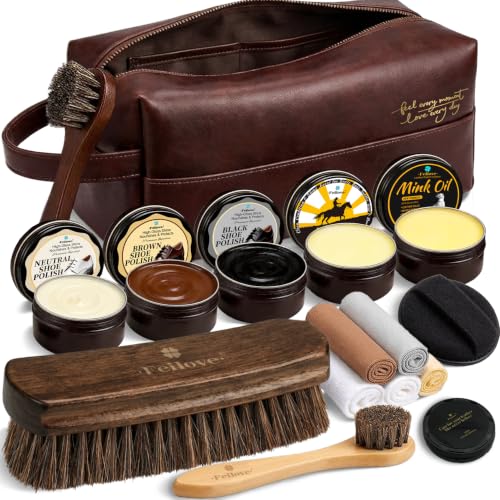
Shoe Care Kit – 16-in-1 Leather Shoe Polish, Cleaning & Conditioning Kit with Saddle Soap & Mink Oil – Black/Brown/Neutral Shoe Polish, 3 Horsehair Brushes – Premium Storage Bag – Gift for Men & Women
Check price on Amazon
Awaydol 11 PCS Leather Care Kit - Horsehair Brushes,Saddle Soap,Waterproofing Wax,Mink Oil Conditioner,Polishing Cloth,Microfiber cloth,Boot Shoe Shine Cleaning Kit Gift for Men Cowboy Husband Dad
Check price on Amazon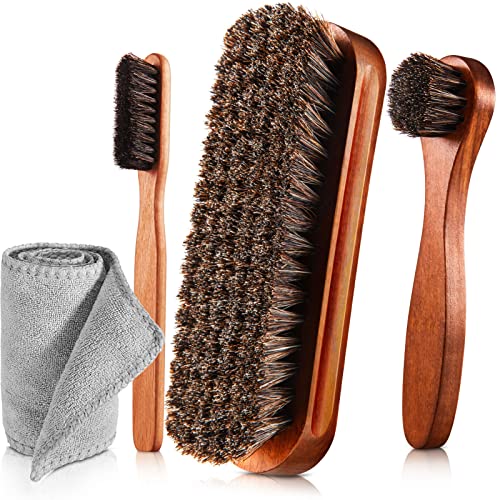
4 Pcs Horsehair Shine Shoes Brush Kit Polish Dauber Applicators Cleaning Leather Shoes Boots Care Brushes Suede Cleaner Brush with Microfiber Shoe Cloth(4 Pcs Style A)
Check price on Amazon
Bickmore Boot Care Kit, Leather Kit With Cleaner, Conditioner & Protector | Made in USA. For boots, saddles, tack, handbags, jackets, furniture and auto interiors. Won't darken or discolor.
Check price on Amazon
Leather Boot Care Kit, Mink Oil & Saddle Soap for Leather Cleaner & Boots | 6-in-1 Leather Shoe Care Kit, Leather Cleaner and Conditioner for Purses, Shoes, Boots, Couch, Car
Check price on Amazon