
Hiker Sneakers: The Ultimate Hybrid Footwear Guide
Blending the rugged performance of hiking boots with the lightweight comfort of sneakers. Discover everything you need to know before buying your perfect pair of hiker sneakers.
Explore Top PicksWhy Hiker Sneakers? They are the perfect solution for outdoor enthusiasts who refuse to compromise between trail-ready traction and all-day sneaker comfort. Whether you're hitting a local trail, traveling the world, or just want a versatile everyday shoe, hiker sneakers offer the best of both worlds.
What Are Hiker Sneakers and Why Do They Matter?
Hiker sneakers—also known as hybrid hiking shoes or trail sneakers—represent a rapidly growing category of footwear that bridges the gap between traditional hiking boots and athletic sneakers. Unlike bulky, stiff hiking boots that require a lengthy break-in period, hiker sneakers are designed to be comfortable from the first wear while still providing the traction, support, and durability needed for trail adventures.
The rise of hiker sneakers mirrors a broader shift in outdoor culture. Modern hikers, travelers, and everyday adventurers want footwear that performs on the trail but doesn't look out of place in a coffee shop or airport. This demand has led to innovations in materials, sole technology, and design that make today's hiker sneakers more capable than ever. If you're looking for footwear that can handle a rugged trail and a city street with equal grace, you might also be interested in hiking shoes that don't look like hiking shoes—a category that overlaps significantly with hiker sneakers.
Key Features to Look For in Hiker Sneakers
Not all hiker sneakers are created equal. Understanding the critical components will help you make an informed decision. The best models excel in several key areas: traction, support, comfort, durability, and weight. Let's break down each feature.
1. Outsole and Traction
The outsole is arguably the most important feature of any hiker sneaker. Look for aggressive lug patterns made from sticky rubber compounds. Brands like Vibram, Contagrip, and proprietary rubber blends are common in high-quality hiker sneakers. Deeper lugs (4–5mm) provide better grip on loose dirt and mud, while shallower, more numerous lugs excel on hardpack and rock. If you frequently encounter wet, slippery conditions, consider models with specialized rubber compounds designed for wet traction.
2. Support and Stability
While hiker sneakers are more flexible than traditional boots, they still need to provide adequate support. Look for a firm heel counter, a supportive midsole (EVA, polyurethane, or newer super-foams), and a rock plate if you'll be on technical terrain. A good hiker sneaker should protect your feet from sharp rocks without feeling stiff. For those who need extra arch support, there are models specifically designed with arch support features.
3. Comfort and Fit
Comfort is where hiker sneakers shine. A proper fit should leave about a thumb's width of space between your longest toe and the front of the shoe. The heel should be locked in place without slipping. Wide toe boxes are increasingly popular, and some models cater specifically to those who need a wide toe box for hiking. Remember, your feet swell during long hikes, so sizing up half a size is often recommended.
4. Weight and Breathability
Hiker sneakers are typically much lighter than hiking boots—often under 400 grams per shoe. This reduces fatigue on long hikes. Breathability is another key advantage, with mesh uppers allowing heat and moisture to escape. However, breathable shoes are less water-resistant, so if you hike in wet climates, you may need a waterproof membrane like Gore-Tex. For those who prioritize breathability for sweaty feet, there are breathable options even in work footwear that share similar design principles.
Pros of Hiker Sneakers
- Lightweight and comfortable out of the box
- Breathable for warm weather
- Versatile for both trail and town
- No break-in period required
- Stylish, modern designs
Cons of Hiker Sneakers
- Less ankle support than boots
- Less durable for heavy loads
- Waterproofing often limited
- Not ideal for very technical terrain
- Can wear out faster than boots
Hiker Sneakers vs. Hiking Boots vs. Trail Runners
Understanding the differences between these categories will help you choose the right footwear for your needs. Here's a quick comparison:
| Feature | Hiker Sneakers | Hiking Boots | Trail Runners |
|---|---|---|---|
| Ankle Support | Low to mid | High | Low |
| Weight | Light | Heavy | Very Light |
| Traction | Excellent | Excellent | Good |
| Durability | Moderate | High | Moderate |
| Break-in Period | Minimal | Significant | Minimal |
| Best For | Day hikes, travel, everyday | Backpacking, rough terrain | Fast hiking, running trails |
If you're leaning toward a more traditional hiking shoe, you might want to explore options with good ankle support. For those who prioritize a lightweight, barefoot-like feel, barefoot hiking boots are worth considering. And if you have specific foot health concerns, there are hiking shoes good for plantar fasciitis that provide the cushioning and support you need.
Top Rated Hiker Sneakers
⚠️ AFFILIATE DISCLOSURE: This website contains affiliate links. As an affiliate Associate, we earn from qualifying purchases. If you make a purchase through these links, we may receive a small commission at no additional cost to you. Read our full affiliate policy.
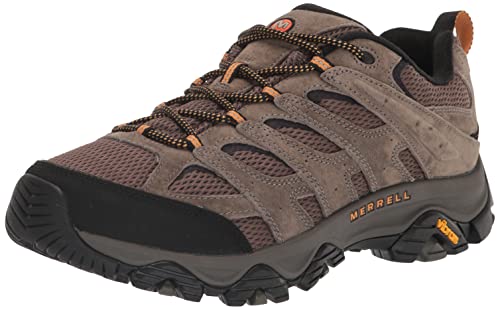
Merrell Men's Moab 3 Hiking Shoe, Walnut, 10.5 Medium
Check price on Amazon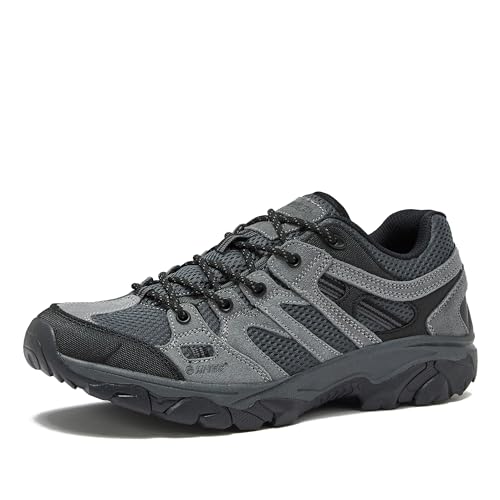
HI-TEC Ridge Low Hiking Shoes for Men, Lightweight Breathable Outdoor Trekking and Trail Sneakers - Castle Rock/Black, 9.5 Medium
Check price on Amazon
NORTIV 8 Women's Lightweight Ankle Hiking Boots,Khaki,8 | Breathable Materials Help Keep Feet Cool and Comfortable Flexible Construction Supports Natural Movement
Check price on Amazon
AIVEJE Men's Hiking Shoes Breathable Non-Slip Sneakers Mesh Walking Shoes for Outdoor Trekking 7.5 Grey
Check price on Amazon
New Balance Men's 410 Hiker Trail Running Shoe, Black/Black Cement, 9
Check price on Amazon
adidas Womens Terrex Free Hiker 2.0 Gore-Tex Hiking Hiking Sneakers Shoes - Green - Size 7.5 M
Check price on Amazon
Merrell Men's Speed Strike 2 Hiking Shoe, Rock, 10.5
Check price on AmazonHow to Choose the Perfect Hiker Sneakers for Your Needs
With so many options on the market, narrowing down your choice can feel overwhelming. Here's a step-by-step approach to finding your ideal pair.
Step 1: Define Your Primary Use
Are you primarily a day hiker, a traveler, or someone who wants a versatile everyday shoe? If you're a frequent traveler, prioritize lightweight and packable designs. If you hike technical trails, focus on traction and protection. If you want a shoe for casual wear with occasional trail use, style and comfort should be your top priorities. For travelers who need footwear that works in multiple settings, lightweight waterproof walking shoes for men and women's lightweight waterproof walking shoes offer similar benefits.
Step 2: Consider Your Foot Shape
Not all feet are created equal. If you have wide feet, look for brands known for generous fits. If you have high arches, consider models with removable insoles so you can add custom orthotics. If you have flat feet, look for shoes with good arch support and stability features. There are even comfortable work boots for flat feet that share design principles with supportive hiker sneakers.
Step 3: Evaluate Waterproofing vs. Breathability
This is a classic trade-off. Waterproof membranes keep water out but also trap sweat inside. If you hike in dry, hot climates, breathability is more important. If you hike in wet, cold climates, waterproofing is essential. Some brands offer both options in the same model. For those who need reliable waterproofing, waterproof hiking boots with ankle support provide a more protective alternative.
Step 4: Set Your Budget
Hiker sneakers range from budget-friendly options under $100 to premium models exceeding $200. Generally, you get what you pay for in terms of durability, materials, and construction. However, there are excellent value options at every price point. Current market prices for quality hiker sneakers typically range from $80–$180, with premium models reaching $200+. If you're looking for savings, consider checking sale sections for deals on last-season models—the technology is often nearly identical.
Care and Maintenance for Hiker Sneakers
To get the most life out of your hiker sneakers, proper care is essential. Here are some tips:
- Clean regularly: Remove dirt and mud with a soft brush and lukewarm water. Avoid harsh detergents.
- Air dry: Never put your hiker sneakers in a dryer or direct sunlight. Stuff them with newspaper and let them air dry naturally.
- Reproof: If your shoes have a waterproof membrane, reapply a DWR (Durable Water Repellent) treatment periodically.
- Replace insoles: Insoles compress over time. Replacing them can restore comfort and support.
- Store properly: Keep your hiker sneakers in a cool, dry place. Avoid leaving them in a hot car.
For those who want to protect their footwear investment, protecting suede shoes and other materials with appropriate treatments is a smart move. If you need to stretch your shoes for a better fit, boot stretchers can help. And to keep your shoes fresh between wears, boot trees are an excellent investment.
Frequently Asked Questions About Hiker Sneakers
Are hiker sneakers good for long-distance hiking?
Yes, for many hikers. Hiker sneakers are ideal for long-distance trails where lightweight comfort is prioritized. However, if you're carrying a heavy backpack, traditional hiking boots may provide better support and durability.
Can I wear hiker sneakers for running?
While you can run in them, hiker sneakers are not designed for high-mileage running on pavement. Trail runners are a better choice for running-specific needs, as they are lighter and more flexible.
How long do hiker sneakers last?
With regular use, a quality pair of hiker sneakers typically lasts 500–800 miles. Factors like terrain, weight, and care affect longevity. Replacing insoles can extend their life.
Are hiker sneakers waterproof?
Some models are waterproof, while others are highly breathable. Waterproof versions use membranes like Gore-Tex, while non-waterproof versions dry faster and are more breathable. Choose based on your climate and activity.
What is the difference between hiker sneakers and approach shoes?
Approach shoes are designed for scrambling and technical approaches to climbing areas. They have stickier rubber and a more precise fit. Hiker sneakers are more general-purpose, designed for trails, travel, and everyday wear.
Final Thoughts: Are Hiker Sneakers Right for You?
Hiker sneakers have earned their place in the modern outdoor enthusiast's quiver. They offer an unbeatable combination of comfort, versatility, and performance that makes them ideal for a wide range of activities. Whether you're a casual day hiker, a frequent traveler, or someone who simply wants a comfortable and capable everyday shoe, there's a pair of hiker sneakers that will meet your needs.
Remember to prioritize fit, choose the right features for your intended use, and care for your footwear properly. With the right pair, you'll be ready to hit the trail—or the town—with confidence. If you're still exploring broader footwear options, you might also be interested in high-top men's shoes or shoes with gum soles for a different style of casual comfort. And for those who want a truly unique look, yellow stitch Crazy Horse leather Chelsea boots offer a distinctive aesthetic that stands out from the crowd.
No matter your choice, investing in quality footwear is an investment in your comfort, health, and enjoyment of the outdoors. Happy trails!