


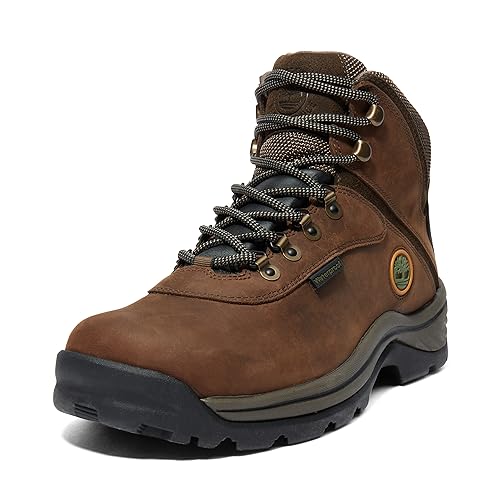


What Defines a Great Hiking Boot?
A great hiking boot is more than just a piece of footwear; it's a critical piece of equipment that can make or break your outdoor experience. Unlike casual shoes, hiking boots are engineered to handle uneven terrain, protect your feet from the elements, and provide the support needed for long, strenuous hikes. The journey to finding the perfect pair begins with understanding the core components that contribute to their performance.
The first and most crucial element is the fit. A great hiking boot should feel snug but not tight, allowing for slight toe movement while preventing your foot from sliding around. This is especially important on descents, where a poor fit can lead to blisters and black toenails. For those who often struggle with finding the right fit, exploring options like hiking shoes with a wide toe box can be a game-changer, offering room for natural toe splay and enhanced comfort. Additionally, for women specifically, wide hiking shoes for women provide the necessary space without compromising on performance.
Key Features to Look For
When evaluating potential hiking boots, several features stand out as hallmarks of quality. Traction is paramount. A reliable outsole with deep, multi-directional lugs will grip the terrain, whether you're navigating muddy trails, loose gravel, or slick rock. Waterproofing is another critical factor, especially for hikes in wet climates or during shoulder seasons. A waterproof membrane like Gore-Tex or a similar proprietary technology ensures your feet stay dry, which is essential for comfort and preventing hypothermia. For those who prioritize this feature, looking for top waterproof hiking shoes is a smart starting point.
Support and stability are also non-negotiable. A great hiking boot offers a supportive midsole and a sturdy shank that protects your feet from sharp rocks and provides a stable platform. The ankle support varies by design—from low-cut trail runners to high-cut mountaineering boots—and your choice should depend on the terrain and load you plan to carry. For those who prefer a lighter, more agile option, lightweight hiking shoes for women can offer the perfect balance of support and freedom. The material of the boot also plays a significant role. Leather is durable and offers excellent protection, while synthetic materials are often lighter and dry faster. Ultimately, the best boot for you is one that matches your specific needs and hiking style.
How to Choose the Right Hiking Boots for Your Adventure
Selecting the right pair requires a thoughtful assessment of your hiking habits. Are you a casual day hiker on well-maintained trails, or do you tackle rugged, multi-day backpacking trips? For casual hikes, a low-cut or mid-cut boot that resembles a sturdy shoe might be sufficient. These boots are lighter and more breathable. If you're carrying a heavy pack or navigating technical terrain, a high-cut boot with stiffer support is recommended. It's also wise to consider the season and climate. For winter hikes, you might need insulated winter work boots to keep your feet warm, or for general cold-weather walking, waterproof walking shoes for women are a great choice. The key is to avoid over- or under-buying; match the boot's features to the demands of your typical adventure.
Budget is another practical consideration. Great hiking boots can range from $80 to over $300. While you don't need to spend a fortune, investing in a quality pair from a reputable brand often pays off in durability and comfort. For those looking for value, there are many affordable hiking boots that don't compromise on essential features. Remember to always try on boots with the socks you plan to wear while hiking. A proper fit, combined with the right features, will ensure your feet are happy mile after mile. Whether you're seeking great hiking boots for a specific trail or a versatile pair for all your adventures, understanding these fundamentals will guide you to a wise purchase.