
Toddler Snow Boots: The Ultimate Guide for Happy, Warm Feet
Keep little toes cozy and dry all winter long. Learn how to choose the perfect toddler snow boots for safety, comfort, and endless snow day fun.
FIND THE BEST BOOTSWhy Trust BootsPedia? We understand that keeping your toddler warm and safe in winter is a top priority. Our guide is designed to help you navigate the confusing world of children's footwear, ensuring you make an informed decision for your little one's comfort and safety.
Why the Right Toddler Snow Boots Matter
When winter arrives, your toddler's curiosity doesn't freeze. They want to explore, play, and experience the magic of snow. But their tiny feet are more susceptible to the cold, and they can't always tell you when they're uncomfortable. The right toddler snow boots are not just a fashion statement; they are a crucial piece of winter gear that protects your child from frostbite, keeps them dry, and allows them to enjoy the outdoors safely. Unlike adult boots, toddler boots must balance ease of use for parents with extreme comfort and safety for the child.
A good pair of winter boots for toddlers will be waterproof, insulated, and have a secure fit that prevents trips and falls. They should also be easy to put on and take off, saving you from a meltdown before you even get out the door. In this comprehensive guide, we'll walk you through every feature to look for, from insulation types to sole traction, helping you find the perfect pair for your little explorer. For a broader look at winter footwear, you can also explore our main winter boots guide, but for now, let's focus on the tiny feet that matter most.
Key Features of a Great Toddler Snow Boot
Before you buy, it's essential to understand the technology and design that go into a high-quality snow boot for toddlers. Here are the non-negotiable features that every parent should look for.
1. Waterproofing: The First Line of Defense
Wet feet get cold fast. A waterproof boot is essential, not just water-resistant. Look for boots made with materials like rubber, treated leather, or advanced synthetic fabrics with a waterproof membrane (like Gore-Tex or similar). Many boots have a "Dri-Lex" or "Hydro-Shield" lining. Pay attention to the construction; a boot with a seamless, one-piece shell or a gusseted tongue will prevent snow and water from seeping in through the laces. A good test is to check the boot's rating; "waterproof" is the standard you want. This is a feature that is equally important in kids snow boots as it is for adults.
2. Insulation: Warmth Without the Bulk
Toddlers lose heat quickly, so insulation is critical. However, you don't want so much bulk that they can't walk. Look for boots with a removable, washable liner made of materials like felt, fleece, or Thinsulate. Thinsulate is measured in grams (e.g., 200g, 400g); for toddlers, 200g is usually sufficient for active play in moderately cold climates, while 400g is better for extreme cold or less active toddlers. Wool is also an excellent natural insulator, even when damp. The key is to find a balance: enough warmth to keep toes toasty, but not so much that their feet sweat, which can actually make them colder.
3. Traction and Sole: Stability on Slippery Surfaces
Snow and ice are slippery, and toddlers are still mastering their balance. A boot with a deep, rugged tread pattern is non-negotiable. Rubber soles with multi-directional lugs provide the best grip. Avoid smooth or hard plastic soles. The sole should also be flexible enough to allow for natural foot movement, which is important for healthy foot development. A stiff, heavy sole can make walking difficult and tiring for a little one. For older kids who are more active, you might look into more specialized boys snow boots or girls boots, but for toddlers, flexibility and grip are paramount.
4. Fit and Closure: Easy On, Easy Off, Stays On
The best boot is one that stays on your child's foot. Toddlers are experts at kicking off footwear. Look for secure closure systems. Velcro straps are a parent's best friend—they are quick, adjustable, and secure. Some boots feature a toggle and drawstring, but these can be harder to tighten properly. Elastic side panels (like those on Chelsea boots) can also work, but they may not provide a snug enough fit for deep snow. The fit should be snug but not tight; you should be able to fit one finger between the back of the boot and your child's heel. Remember, toddlers' feet grow quickly, so always measure their feet before buying and check the manufacturer's sizing chart carefully.
For a deeper dive into finding the correct size for any type of footwear for your little one, from toddler rain boots to everyday shoes, a proper measurement is always the first step.
How to Choose the Perfect Pair for Your Toddler
With the key features in mind, here is a step-by-step approach to making the right choice.
Step 1: Measure Your Toddler's Feet
Always measure at the end of the day when feet are at their largest. Have your child stand on a piece of paper, trace their foot, and measure from the heel to the tip of the longest toe. Add about a half-inch (or a thumb's width) of wiggle room for growth and thick socks. If you're shopping online, compare this measurement to the specific brand's size chart, as sizing can vary significantly between manufacturers.
Step 2: Consider the Climate and Activity Level
Are you in for a mild winter with occasional snow, or do you live in an area with deep freezes and heavy snowfall? For a mild climate, a lighter, less insulated boot might suffice. For harsh winters, you'll need a heavy-duty, well-insulated, and highly waterproof boot. Also, consider your child's activity level. If they are just sitting in a stroller, they need more insulation than if they are running around actively. If you're also looking for options for different conditions, you might find our guide on men's snow boots helpful for understanding different types of winter footwear technology.
Step 3: Prioritize Easy On/Off for Independence
As your toddler grows, they will want to do things themselves. A boot with wide openings and simple closures (like Velcro) will encourage their independence and reduce your morning struggle. This is especially important for daycare or preschool, where they may need to change shoes multiple times a day.
Step 4: Read Reviews and Check Return Policies
Before committing, read reviews from other parents. They will often mention issues with sizing, durability, or waterproofing that you wouldn't know from the product description alone. Ensure the store has a good return policy in case the boots don't fit. The best way to know if a boot works is to try it, so a flexible return policy is a safety net for online purchases.
Best Toddler Snow Boots for Winter Adventures
⚠️ AFFILIATE DISCLOSURE: This website contains affiliate links. As an affiliate Associate, we earn from qualifying purchases. If you make a purchase through these links, we may receive a small commission at no additional cost to you. Read our full affiliate policy.

MORENDL Toddler Snow Boots Girls Winter Boots Kids Waterproof Purple Size 9 | Waterproof Insulated & Warm Fur Lined Toddler Winter Essentials:Adjustable Hook-and-Loop Easy On/Off Non-Slip Sole
Check price on Amazon
The North Face Toddler Alpenglow II Insulated Snow Boot | Waterproof Construction & Durable Rubber Outsole, Toasted Brown/Toasted Brown, 9
Check price on Amazon
Lands' End Flurry Waterproof Winter Kids Snow Boots for Girls, Boys, Toddler - Black, 9 Toddler
Check price on Amazon
Baby Snow Boots Toddler Winter Boots Boy & Girl Walking Shoes | Warm Fur Lined Soft Non-Slip Sole Toddler Winter Hook-and-Loop Easy On/Off Outdoor Booties
Check price on Amazon
Sorel Youth Unisex Snow Commander
Check price on Amazon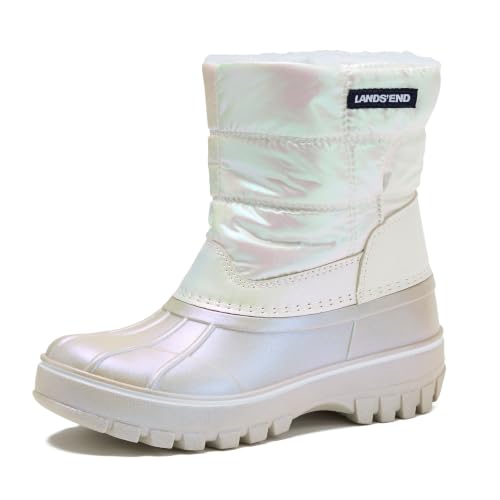
Lands' End Flurry Waterproof Winter Kids Snow Boots for Girls, Boys, Toddler - Iridescent, 10 Toddler
Check price on AmazonCaring for Your Toddler's Snow Boots
To get the most out of your investment, proper care is essential. After a day in the snow, always shake off excess snow and allow boots to air dry at room temperature. Never place them on a radiator or in a dryer, as high heat can damage waterproofing and insulation. If the boots have a removable liner, take it out to dry separately. For rubber boots, you can wipe them clean with a damp cloth. For fabric and leather, use a soft brush to remove dirt. Periodically check for cracks or leaks. A well-cared-for pair of boots can be passed down to younger siblings or last for multiple seasons. For more detailed care instructions for all types of footwear, you can refer to our broader boot care resources, or specifically for rainy day gear, see our tips for toddler rain boots.
Final Thoughts: Happy Feet, Happy Winter
Investing in a high-quality pair of toddler snow boots is an investment in your child's comfort and your own peace of mind. By focusing on waterproofing, insulation, traction, and a secure fit, you can ensure that your little one's winter adventures are filled with joy, not tears from cold, wet feet. Remember to measure carefully, consider your specific climate needs, and don't be afraid to ask for recommendations from other parents. With the right boots, you're ready to embrace the snow together. For those with older children who have outgrown toddler sizes, our guides on kids snow boots and boys snow boots can help you continue the winter fun. And for the adults, don't forget to check out our recommendations for winter boots for women to keep your own feet warm too!