
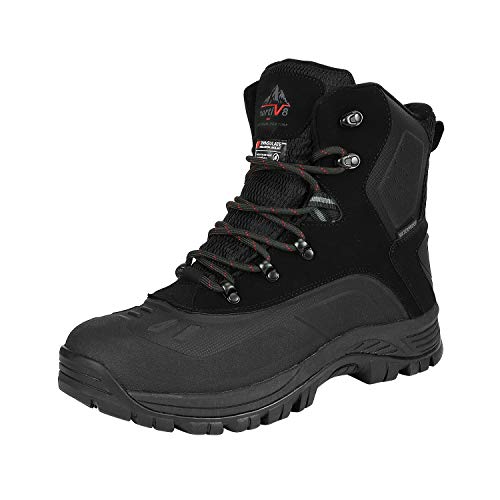


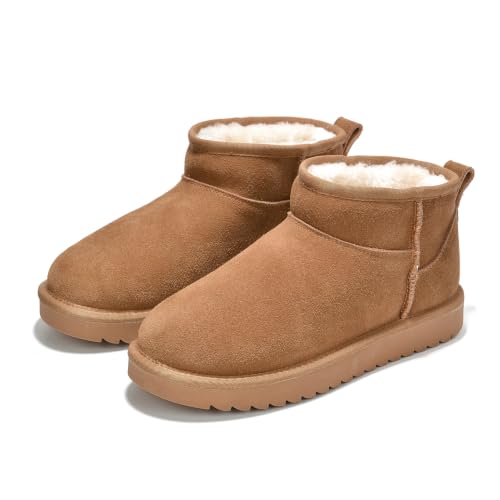


How to Choose Winter Boots That Actually Work
When the temperature drops, your footwear becomes your most critical piece of gear. Whether you are commuting to work in a snowy city or heading out for a weekend hike, the wrong boots can lead to frozen toes, slips, and miserable outings. A proper pair of snow boots is an investment in your comfort and safety. This guide will walk you through the three pillars of winter footwear: insulation, waterproofing, and traction.
1. Insulation: Understanding Warmth Ratings
Not all insulation is created equal. Most winter boots use synthetic materials (like Thinsulate) or felt liners. You'll often see a gram rating (e.g., 200g, 400g, 600g, 800g+).
- 200g–400g: Best for active use and mild winters. These are breathable enough to prevent sweating during a brisk walk.
- 600g–800g: Ideal for moderate to severe cold. Perfect for shoveling the driveway or walking the dog in freezing temperatures.
- 1000g+: Designed for extreme cold and stationary activities (like ice fishing). These are often too warm for walking long distances.
If you plan on being active, consider a boot with a removable liner. This allows you to dry the liner overnight, preventing moisture buildup which is the enemy of warm feet. For those with circulation issues or specific foot health concerns, look for insulated boots that offer both warmth and support.
2. Waterproofing: Keeping Dry is Keeping Warm
Wet feet get cold quickly. A good winter boot must be waterproof, not just water-resistant. Look for materials like full-grain leather treated with waterproofing agents, or synthetic shells with proprietary membranes like Gore-Tex or DryVent.
Pay attention to the construction. The "tongue" of the boot should be gusseted (attached to the sides) to prevent snow from entering. For the slushiest days, a taller shaft height is beneficial. If you need a boot for heavy rain or deep slush, check out our guide to rain boots for additional options. Keeping your boots clean and properly treated is also vital; our waterproofing guide can show you how to maintain that barrier season after season.
3. Traction: Staying Upright on Ice
The outsole is your lifeline. You need a rubber compound that remains soft in freezing temperatures. A hard, frozen rubber sole will slide like a hockey puck. Look for deep, multi-directional lugs that bite into snow and ice. Brands like Vibram Arctic Grip or Michelin are excellent indicators of quality winter traction.
4. Fit and Sizing for Winter
Never buy winter boots that fit snugly. You need room for thick socks and for your feet to move. However, too much room can cause blisters. The general rule is to size up a half-size from your regular shoe size. Always try boots on with the socks you plan to wear. If you are ordering online and are unsure of your measurements, our boots fit and measurement guide is a great resource.
Once you have your boots, breaking them in properly is essential to avoid discomfort. Check our break-in guide for tips on how to soften them up without damaging the materials.
5. Materials and Style
While function is key, style matters too. Leather boots offer a classic, dressy look that pairs well with jeans or chinos. For a more casual look, consider suede boots, though these require more care to protect against salt stains. If you prefer a sporty aesthetic, modern synthetic boots are lightweight and often more affordable.
For those looking to pair their boots with specific outfits, our boots with jeans guide offers great styling inspiration. And if you are looking for a boot that doubles as a fashion statement, don't miss our tips on boot outfit inspiration.
Quick Tip: Salt stains are the enemy of winter boots. Rinse them off with a mixture of water and white vinegar as soon as you see them to prevent permanent damage.