
Golf Shoelaces: The Complete Guide to Comfort & Performance
Discover how the right golf shoelaces can improve your comfort, stability, and performance on the course. From materials to lacing techniques, we cover everything you need to know.
Explore Lace TypesWhy Golf Shoelaces Matter: A golf swing generates significant force through your feet and ankles. The right laces provide secure lockdown, even pressure distribution, and all-day comfort during 18 holes. The wrong laces can cause blisters, loosen mid-round, or fail at the worst moment.
Why Your Golf Shoelaces Deserve More Attention
Most golfers spend hours researching drivers, irons, and putters, but overlook one of the most critical pieces of equipment: their shoelaces. Your golf shoes are the foundation of your swing, and the laces are what keep that foundation secure. A properly laced golf shoe provides better weight transfer, reduces foot movement inside the shoe, and helps you maintain balance throughout your swing.
Golf shoelaces are not just generic strings. They are engineered for specific performance characteristics: they must resist stretching, hold knots securely, withstand moisture from morning dew and rain, and provide consistent tension across the instep. Whether you walk 18 holes or ride in a cart, your laces directly impact your comfort and focus.
If you are also looking for complementary footwear for other activities, you may want to explore our guides on hiking boots shoes for trail adventures or durable walking boots for everyday comfort. For those who need protective footwear at work, our safety footwear guide covers essential features.
Types of Golf Shoelaces
Not all golf shoelaces are created equal. Different materials and constructions offer distinct advantages depending on your playing conditions, foot shape, and personal preference. Here are the main types you will encounter:
Flat Woven Laces
The most common type found on golf shoes. They distribute pressure evenly across the instep, resist twisting, and hold knots well. Ideal for players who prefer a traditional look and reliable performance.
Round Athletic Laces
Similar to running shoe laces, these are lightweight and offer a sleek appearance. They work well with modern, sporty golf shoe designs and provide a snug, adaptive fit.
Elastic No-Tie Laces
Perfect for golfers who want convenience. These stretchy laces allow you to slip shoes on and off without tying. They maintain consistent tension and are great for players with mobility challenges.
Waxed Cotton Laces
Offer superior knot security and a classic aesthetic. The wax coating helps repel moisture and prevents the laces from fraying. Popular on premium leather golf shoes.
Waterproof Synthetic Laces
Made from materials like polyester or nylon with water-repellent treatments. Essential for playing in wet conditions or early morning rounds with heavy dew.
Reflective Laces
Feature reflective threads for visibility during evening rounds or early morning play. A practical choice for golfers who play in low-light conditions.
💡 Pro Tip: If you struggle with your laces coming untied during a round, try waxed cotton or flat woven laces. They hold knots significantly better than round synthetic laces. You can also double-knot your laces for extra security.
Golf Shoelace Comparison: Which Type Is Right for You?
Use this comparison table to quickly identify the best lace type for your needs:
| Lace Type | Best For | Durability | Moisture Resistance | Knot Security |
|---|---|---|---|---|
| Flat Woven | Everyday play, traditional shoes | High | Moderate | Excellent |
| Round Athletic | Modern sporty shoes, quick lacing | Moderate | Low | Good |
| Elastic No-Tie | Convenience, mobility issues | Moderate | Moderate | N/A (no tying) |
| Waxed Cotton | Premium leather shoes, wet conditions | High | High | Excellent |
| Waterproof Synthetic | Rainy rounds, early morning dew | High | Excellent | Good |
| Reflective | Low-light conditions, evening play | Moderate | Moderate | Good |
Materials Matter: What Are Golf Shoelaces Made Of?
The material composition of your golf shoelaces determines how they perform in different conditions. Here is what you need to know:
Polyester: The most common material for golf shoelaces. Polyester is durable, resistant to stretching, and holds color well. It dries relatively quickly and is affordable. However, standard polyester laces can become slick when wet, causing knots to slip.
Nylon: Similar to polyester but with slightly more elasticity. Nylon laces are strong and resistant to abrasion. They work well for athletic-style golf shoes but may stretch over time with heavy use.
Cotton: Natural cotton laces offer a classic look and feel. They are soft against the foot and hold knots well. However, cotton absorbs moisture and takes longer to dry, making it less ideal for wet conditions unless waxed.
Waxed Cotton: Cotton treated with wax or paraffin. This combination provides the best of both worlds: the natural feel and knot security of cotton with improved moisture resistance and durability. Waxed laces are a favorite among traditional golfers.
Spandex/Elastic: Used in no-tie laces, spandex blends provide stretch and recovery. They maintain consistent tension without requiring adjustment. Ideal for golfers who want a slip-on solution or have difficulty tying laces.
How to Choose the Right Golf Shoelaces
Selecting the perfect golf shoelaces involves considering several factors. Use this checklist to make an informed decision:
Golf Shoelace Selection Checklist
- Length: Measure your existing laces or count the eyelet pairs. Most golf shoes use 45-54 inch laces, but verify before purchasing.
- Material: Choose polyester or waxed cotton for durability, elastic for convenience, and waterproof synthetic for wet conditions.
- Width: Flat laces typically come in 3/8" or 1/2" widths. Match the width to your shoe's eyelets for a clean look.
- Color: Match your shoe color for a classic look, or choose a contrasting color for personal style.
- Tip Style: Ensure the aglets (tips) are narrow enough to pass through your shoe's eyelets easily.
- Performance Needs: Consider your playing conditions. Wet climates benefit from waterproof laces; walking golfers may prefer elastic options.
- Durability Rating: Look for laces with reinforced construction or reviews mentioning longevity.
Lacing Techniques for Better Golf Performance
The way you lace your golf shoes can affect comfort, stability, and performance. Try these techniques:
Standard Criss-Cross: The most common lacing method. It provides even pressure distribution and works well for most golfers. Ideal for flat laces.
Straight Bar Lacing: Creates a clean, minimalist look. This technique reduces pressure points on the top of the foot, making it comfortable for golfers with high insteps.
Heel Lock Lacing: Uses the top two eyelets to create a "lock" around the heel. This prevents heel slip during your swing, improving stability and power transfer.
Loop Lacing: Adds a loop at the top of the shoe to hold the lace ends securely. Great for golfers who experience loose laces during play.
Elastic/No-Tie Setup: If using elastic laces, simply thread them through and adjust the tension once. They stay secure without tying, making them perfect for quick transitions between holes.
Golf Shoelace Maintenance & Replacement
Like all equipment, golf shoelaces need occasional attention. Here is how to keep them in top condition:
Cleaning: Remove laces from your shoes and hand wash them in warm water with mild soap. Rinse thoroughly and air dry. Avoid machine washing, which can damage the fibers.
When to Replace: Replace your golf shoelaces when you notice fraying, stretching, discoloration, or difficulty holding a knot. Most golfers should replace laces every 6-12 months, depending on frequency of play.
Storage: Keep spare laces in your golf bag. A broken lace mid-round can ruin your day, and having a backup ensures you can continue playing. For proper storage of your golf shoes and accessories, consider a dedicated boots shop or organizer.
Breaking In New Laces: New laces may feel stiff initially. Give them a few rounds to soften and conform to your shoe's shape. Waxed laces may require a short break-in period.
Frequently Asked Questions About Golf Shoelaces
How long should golf shoelaces be?
Most golf shoes use laces between 45 and 54 inches long. The exact length depends on the number of eyelet pairs. A shoe with 6 eyelet pairs typically needs 45-48 inch laces, while 7-8 pairs may need 50-54 inches. Always measure your existing laces or check your shoe manufacturer's recommendation.
Are golf shoelaces different from regular shoelaces?
Golf shoelaces are designed with specific performance characteristics in mind. They are typically more durable, resist stretching, and are designed to hold knots securely during the physical demands of a golf swing. Many are also treated for moisture resistance, which is important for early morning rounds and wet conditions.
Can I use elastic laces on my golf shoes?
Yes, elastic no-tie laces are a popular upgrade for golf shoes. They provide consistent tension, eliminate the need for tying, and can be especially helpful for golfers with arthritis or mobility issues. Just ensure they are tight enough to prevent heel slip during your swing.
How often should I replace my golf shoelaces?
Replace your golf shoelaces every 6-12 months, or sooner if you notice fraying, stretching, or difficulty keeping them tied. Golfers who play multiple rounds per week may need to replace laces more frequently. Keeping a spare set in your bag is always a good idea.
What is the best knot for golf shoelaces?
The standard bow knot works for most golfers, but a double knot provides extra security. For the best hold, use the "Ian Knot" (a secure variation of the standard bow) or a surgeon's knot, which adds an extra twist before completing the bow. Waxed laces naturally hold knots better than synthetic ones.
Do golf shoelaces affect swing performance?
Yes, indirectly. Properly laced shoes with secure, non-stretching laces provide better foot stability, which translates to improved balance and weight transfer during your swing. Loose or stretched laces can cause foot movement inside the shoe, reducing power and consistency.
Recommended Golf Shoelaces
⚠️ AFFILIATE DISCLOSURE: This website contains affiliate links. As an affiliate Associate, we earn from qualifying purchases. If you make a purchase through these links, we may receive a small commission at no additional cost to you. Read our full affiliate policy.

IUV Cowboy Boots For Women Western Cowgirl Boots Mid Calf Snip Toe | Chunky Heel Ideal for low insteps
Check price on Amazon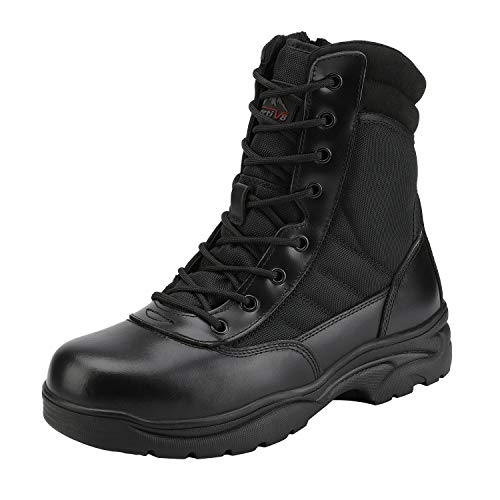
NORTIV 8 Men's Military Tactical Work Boots,Black,13W | Side Zipper Leather Motorcycle Combat Boots for Outdoor Work Hiking Tactical Use and Daily Wear With Durable Comfort Trooper
Check price on Amazon
PROJECT CLOUD 100% Genuine Leather Womens Boots Ankle Boots for Women Shoes | Water Resistant Memory Foam Insole Winter Shoes - Trendy Footwear Outdoor Fall Shoes for Women - Winter Booties for Women
Check price on Amazon
Lumeheel Cowboy Boots for Men - Western Men's Boots with Classic Embroidered, Slip on Square Toe Country Boots with Chunky Heel, Durable Short Ankle Boots for Spring Fall, Brown, Size 10
Check price on Amazon
DREAM PAIRS Women's Knee High Winter Slouchy Boots,Size 8,Black | Warm Comfort Faux Fur Lining,Pull-on with Zipper,0.5-inch Low Heel,Flat Boots for Women
Check price on Amazon
AMINUGAL Black Knee High Boots Women Moto Biker Buckle Tall Boots Size 7.5
Check price on Amazon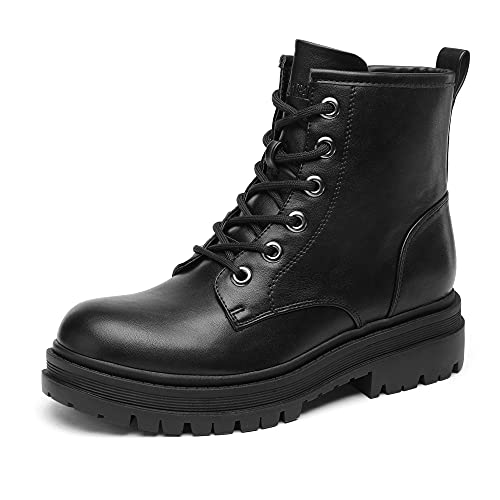
DREAM PAIRS Women's Combat Boots Lace-up Ankle Boots,Black,10 | Platform Side Zipper Lug Sole Boots, Low Chunky Heel Platform Fashion Booties Shoes, Short Booties
Check price on AmazonFinal Thoughts: Upgrade Your Golf Shoelaces Today
Your golf shoelaces are a small but mighty component of your overall game. The right laces provide comfort, stability, and confidence with every swing. Whether you prefer traditional waxed cotton, modern elastic no-tie laces, or durable waterproof synthetics, there is a perfect option for your needs.
Take a moment to inspect your current golf shoelaces. Are they frayed? Do they come untied during rounds? If so, it is time for an upgrade. A fresh set of quality golf shoelaces is one of the most affordable improvements you can make to your golf equipment.
For golfers who also enjoy other outdoor activities, our guides on waterproof shoes for trekking and non-slip sneakers for work can help you find the right footwear for every occasion. And if you are looking for comfortable options for long days on your feet, check out our recommendations for sneakers for long-distance running.
Invest in quality laces, learn proper lacing techniques, and maintain them well. Your feet (and your score) will thank you.