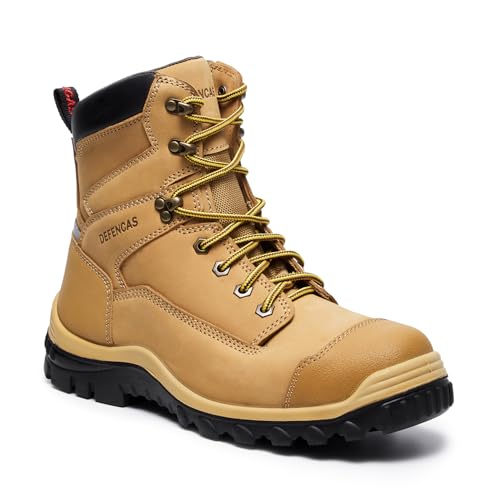
What Are Composite Toe Electrical Hazard Boots?
Composite toe electrical hazard (EH) boots are a specialized category of safety footwear designed to protect workers from two distinct hazards: impact/compression forces and electrical shock. Unlike traditional steel toe boots, composite toe boots use non-metallic materials such as carbon fiber, plastic, or Kevlar to create the protective toe cap. This construction makes them inherently non-conductive, which is a significant advantage when working near electricity.
The "electrical hazard" rating — often abbreviated as EH — means the boot has been tested to withstand a specific level of electrical resistance. According to ASTM F2413 standards, EH-rated footwear must be capable of resisting at least 18,000 volts at 60 Hz for one minute with no current flow or leakage current exceeding 1.0 milliampere under dry conditions. This makes them an essential piece of personal protective equipment (PPE) for anyone working in environments where accidental contact with live circuits is a possibility.
It's important to understand that composite toe and electrical hazard ratings are independent features. A boot can have a composite toe without being EH-rated, and an EH-rated boot may have a steel toe. However, combining composite toe construction with EH rating creates a boot that is both lightweight and non-conductive — a combination that many workers prefer. For those who need additional metatarsal protection, options like steel toe boots with metatarsal protection exist, though they may not offer the same non-conductive benefits.
How Electrical Hazard Protection Works
Electrical hazard boots are constructed with non-conductive soles and insulating materials that create a barrier between the wearer's feet and the ground. The key components include:
- Non-conductive sole: Made from rubber, polyurethane, or other insulating compounds that resist electrical current flow. The sole must remain intact and free of embedded metal particles to maintain its protective properties.
- Insulating insole: An additional layer that prevents current from passing through the footbed.
- Non-metallic toe cap: Composite materials replace steel, eliminating a potential conductive path.
- Non-metallic shank: Many EH boots use fiberglass or plastic shanks instead of steel.
It's crucial to note that EH-rated footwear is designed as secondary protection. It does not make you immune to electrical shock — it simply adds a layer of resistance that can reduce the severity of a shock if accidental contact occurs. Primary protection should always come from de-energizing circuits, using insulated tools, and following proper lockout/tagout procedures.
⚠️ Important Safety Note: EH-rated boots must be kept clean and dry to maintain their protective properties. Moisture, embedded metal shavings, or excessive wear can compromise the insulation. Always inspect your boots before entering an electrical hazard zone, and replace them if the soles are worn through or damaged.
Composite Toe vs. Steel Toe: Which Is Better for Electrical Work?
When it comes to electrical hazard protection, composite toe boots offer a distinct advantage over their steel toe counterparts. Steel is an excellent conductor of electricity, which means a steel toe cap could potentially channel current toward the toes if the boot's insulation is compromised. Composite materials, being non-metallic, eliminate this risk entirely.
Beyond electrical safety, composite toes offer other benefits:
- Lighter weight: Composite toe caps are significantly lighter than steel, reducing fatigue during long shifts.
- Temperature neutral: Unlike steel, composite toes don't conduct heat or cold, making them more comfortable in extreme temperatures.
- Non-magnetic: Ideal for workers who pass through metal detectors or work with sensitive equipment.
- Airport friendly: Composite toes won't set off metal detectors, which is convenient for frequent travelers.
However, steel toe boots still have their place. They tend to be more durable under extreme impact and are often less expensive. For workers who need maximum impact protection and don't face electrical hazards, steel toe waterproof slip-resistant work boots remain a solid choice. The decision ultimately depends on your specific work environment and risk assessment.
Key Features to Look for in Composite Toe EH Boots
When shopping for composite toe electrical hazard boots, prioritize these features:
- ASTM F2413 EH Rating: Look for the "EH" designation on the label. This confirms the boot meets the minimum electrical resistance standard.
- ASTM F2413 I/75 & C/75: These ratings indicate impact (I) and compression (C) resistance at 75 foot-pounds and 2,500 pounds respectively. Most quality safety toes carry these ratings.
- Slip-resistant outsole: Electrical work often involves wet or oily surfaces. A slip-resistant sole prevents falls that could lead to contact with live circuits. Consider slip-resistant work shoes for plantar fasciitis if you also need arch support.
- Waterproof construction: Keeping feet dry is essential for both comfort and electrical safety. Waterproof membranes like Gore-Tex or proprietary linings help maintain the boot's insulating properties.
- Comfort features: Look for cushioned insoles, breathable linings, and adequate arch support. Workers who stand all day should consider comfortable work boots for standing all day to prevent fatigue and foot pain.
- Durability: Quality leather uppers, reinforced stitching, and robust soles extend the life of your investment. For those with foot conditions, orthopedic work boots for plantar fasciitis offer additional support.
Who Needs Composite Toe Electrical Hazard Boots?
These boots are essential for a wide range of professions and industries:
- Electricians: Whether residential, commercial, or industrial, electricians face electrical hazards daily. Composite toe EH boots provide secondary protection against shock while offering impact protection.
- Linemen and utility workers: Working on power lines and electrical grids requires the highest level of electrical safety footwear.
- HVAC technicians: Servicing electrical components of heating and cooling systems exposes technicians to live circuits.
- Construction workers: Job sites often have temporary power, exposed wiring, and heavy equipment. EH boots add a layer of safety.
- Industrial maintenance workers: Factories and plants have complex electrical systems that require maintenance and repair.
- Telecommunications technicians: Working with communication lines and equipment often involves electrical exposure.
- Solar panel installers: Photovoltaic systems generate electricity that can be hazardous during installation and maintenance.
Beyond electrical hazards, composite toe EH boots are also suitable for workers who need general safety footwear with the added benefit of non-conductive protection. For those with specific foot health concerns, options like composite toe safety shoes for diabetics combine safety with therapeutic features.
Composite Toe EH Boots vs. Other Safety Footwear
Understanding how composite toe EH boots compare to other safety footwear categories can help you make an informed decision:
| Feature | Composite Toe EH | Steel Toe Standard | Soft Toe EH |
|---|---|---|---|
| Impact Protection | Yes (ASTM I/75) | Yes (ASTM I/75) | No |
| Electrical Hazard Rating | Yes (EH) | Sometimes | Yes (EH) |
| Non-Conductive Toe | Yes | No | N/A |
| Weight | Light | Heavy | Lightest |
| Temperature Sensitivity | Low | High (conducts heat/cold) | Low |
| Typical Price Range | $100–$250 | $80–$200 | $60–$150 |
Maintenance and Care for Electrical Hazard Boots
To maintain the protective properties of your composite toe EH boots, follow these care guidelines:
- Keep them clean: Dirt, especially metallic dust or shavings, can compromise electrical resistance. Wipe down your boots after each use and clean the soles regularly.
- Keep them dry: Moisture reduces insulation effectiveness. Use boot dryers or allow boots to air dry naturally — never place them near direct heat sources. For related care tips, see our guide on boot trees and boot stretchers.
- Inspect regularly: Check for cracks, worn soles, or exposed components. Any damage that breaches the sole or upper can compromise EH protection.
- Replace when worn: EH-rated boots have a limited lifespan. Once the sole is worn thin or the insulation is compromised, replace them immediately.
- Store properly: Keep boots in a dry, cool place away from direct sunlight. Avoid storing them in areas where they might be exposed to chemicals or extreme temperatures.
For boots that need reshaping or stretching, boot stretchers can help maintain fit without damaging the protective structure. Additionally, using boot trees helps absorb moisture and maintain shape between wears.
Common Myths About Electrical Hazard Boots
There are several misconceptions about EH-rated footwear that can lead to dangerous assumptions:
- Myth: EH boots make you immune to electrical shock. Reality: EH boots are secondary protection. They reduce, but do not eliminate, the risk of shock. Never rely solely on footwear when working with electricity.
- Myth: All composite toe boots are EH-rated. Reality: Composite toe and EH rating are separate certifications. Always check the label for both features.
- Myth: EH boots last forever. Reality: EH protection degrades over time, especially with wear, moisture, and contamination. Regular inspection and replacement are necessary.
- Myth: Any rubber boot is EH-rated. Reality: Only boots specifically tested and certified to ASTM F2413 EH standards provide verified protection.
- Myth: You don't need EH boots if you're careful. Reality: Accidents happen. EH boots are a critical layer of defense when other controls fail.