
Boot Liners: The Complete Guide to Warmth, Comfort & Fit
Everything you need to know about boot liners — insulation types, materials, warmth ratings, moisture control, replacement tips, and how to choose the right liner for your boots.
EXPLORE LINER TYPESWhy boot liners matter: A boot is only as good as its inner layer. The liner controls warmth, wicks moisture away from your skin, cushions impact, and holds the boot's shape over years of use. Whether you are buying heated boots for winter or replacing a worn-out liner in your favorite pair, understanding liner construction is the fastest way to upgrade comfort without buying new footwear.
What Are Boot Liners?
A boot liner is the internal layer that sits between your foot (or sock) and the outer shell of the boot. It is not just padding — it is an engineered system that manages three things at once: thermal regulation, moisture transport, and structural support. In cold-weather footwear such as ice fishing boots or snow boots, the liner does most of the work of keeping your feet warm. In work and safety footwear, the liner contributes to shock absorption and reduces fatigue during long shifts.
Liners come in two broad categories: built-in (fixed) liners that are sewn or bonded into the boot, and removable liners that slide out for washing, drying, or replacement. Removable liners are standard in pac boots, winter boots, and many hunting and fishing models. Built-in liners are common in leather boots, dress boots, and most safety footwear where a stable internal fit is critical.
Understanding the difference matters because it determines how you maintain the boot, how long it lasts, and whether you can adjust warmth for different seasons. A boot with a removable liner can be a three-season boot; the same shell with a heavy felt liner becomes a deep-winter boot.
Types of Boot Liners
1. Felt & Wool Liners
Felt and wool are the classic cold-weather liner materials. Wool regulates temperature naturally and continues to insulate even when slightly damp. Felt liners are thicker, denser, and typically warmer than knit wool, making them the standard for pac boots and extreme-cold footwear. They are usually removable and replaceable, which extends the life of the boot shell considerably. If you wear rubber hunting boots in late-season cold, a felt liner is almost certainly what is keeping your feet functional.
2. Fleece & Microfleece Liners
Fleece liners are lighter and softer than felt, offering moderate warmth with excellent next-to-skin comfort. They are common in casual winter boots, waterproof ankle boots, and fashion-oriented cold-weather styles. Microfleece wicks moisture well but compresses faster than wool, so it is best suited to moderate cold rather than deep winter.
3. Thinsulate & Synthetic Insulation Liners
Thinsulate and similar synthetic insulations provide high warmth-to-thickness ratios. They are measured in grams per square meter (g/m²), and higher numbers mean more warmth. These liners are lightweight, dry quickly, and resist moisture better than down. They are widely used in outdoor boots, tactical footwear, and winter work boots. A 200g Thinsulate liner is a solid choice for active winter use; 400g and above suits stationary cold-weather activities.
4. Shearling & Sheepskin Liners
Shearling is the premium option — natural sheepskin with the wool still attached. It offers exceptional warmth, breathability, and durability, and it molds to the foot over time. Shearling liners are found in high-end equestrian boots, luxury winter boots, and heritage-style footwear. They are expensive but can last many seasons with proper care.
5. Moisture-Wicking Technical Liners
Technical liners are designed primarily for moisture management rather than insulation. They use polyester, nylon, or blended meshes to pull sweat away from the skin and toward the boot's breathable membrane. These are common in hiking, tactical, and climbing boots where damp feet are a bigger risk than cold. Many boots combine a technical wicking liner with a separate insulation layer.
6. Memory Foam & Cushioned Liners
Memory foam liners prioritize comfort and pressure distribution over thermal performance. They are found in comfort-focused work boots and casual footwear. If you spend long hours standing on hard surfaces, a memory foam liner paired with a supportive footbed can meaningfully reduce foot fatigue.
Liner Materials Compared
The table below summarizes how the most common liner materials perform across the factors that matter most. Use it as a quick reference when comparing boots or shopping for replacement liners.
| Material | Warmth | Moisture Handling | Durability | Best For |
|---|---|---|---|---|
| Wool / Felt | High | Good (insulates when damp) | High | Pac boots, extreme cold, hunting |
| Fleece / Microfleece | Moderate | Very good (wicks well) | Moderate | Casual winter boots, ankle boots |
| Thinsulate / Synthetic | High (rated by grams) | Very good (fast drying) | High | Active winter use, work boots |
| Shearling / Sheepskin | Very high | Excellent (natural breathability) | Very high | Luxury boots, equestrian, heritage styles |
| Technical Wicking Mesh | Low | Excellent | High | Hiking, tactical, warm-weather use |
| Memory Foam | Low | Moderate | Moderate | Comfort, standing all day |
In practice, most quality boots use a layered liner: a wicking inner surface, an insulation mid-layer, and sometimes a structural backing. That is why a boot can feel warm without being bulky. When you shop replacement liners, look for the same layered construction rather than a single-material pad.
Warmth Ratings & Temperature Ranges
Boot and liner warmth is usually expressed in grams of insulation (g) or in temperature ratings. Grams measure the thickness and density of synthetic insulation; temperature ratings are approximate comfort ranges and assume moderate activity and proper socks. Neither is exact, but both are useful for narrowing down choices.
| Insulation Level | Approx. Comfort Range | Typical Use |
|---|---|---|
| Uninsulated / 0g | Above 50°F (10°C) | Summer, indoor, warm-weather hiking |
| 200g | 20°F to 50°F (-7°C to 10°C) | Active winter use, light snow |
| 400g | 0°F to 30°F (-18°C to -1°C) | General winter, moderate cold |
| 600g | -20°F to 10°F (-29°C to -12°C) | Deep winter, low activity |
| 800g+ / Felt Pac | Below -20°F (-29°C) | Extreme cold, ice fishing, stationary work |
Two caveats matter here. First, activity level changes everything: a 400g liner on an active hiker can feel warmer than an 800g liner on someone standing still. Second, moisture defeats insulation. A soaked liner loses most of its warming ability regardless of rating, which is why wicking socks and breathable shells matter as much as grams. If you are layering for serious cold, pair insulated liners with neoprene boots or a waterproof shell for the best result.
How to Choose the Right Boot Liner
Choosing a liner comes down to matching three variables: your climate, your activity level, and your boot's volume. Get those right and the liner will feel invisible; get them wrong and you will either freeze or overheat.
Match the liner to your climate
For mild winters, a 200g synthetic or fleece liner is plenty. For sustained sub-freezing temperatures, step up to 400g or wool felt. For extreme cold or stationary outdoor work, 600g+ or a dedicated pac-boot felt liner is the right call. If your winters swing widely, a removable liner lets you swap warmth levels without buying a second pair of boots — a strategy that also works well for farm boots and other all-season work footwear.
Match the liner to your activity
Active users generate heat and sweat, so they need breathable, moisture-wicking liners more than maximum insulation. Stationary users — ice fishing, hunting from a blind, working outdoors in winter — need maximum insulation and a vapor barrier. This is why the same temperature can call for completely different liners depending on what you are doing.
Match the liner to your boot volume
A liner that is too thick compresses the insulation and reduces warmth while making the boot tight and uncomfortable. A liner that is too thin leaves dead space and lets cold air pool around the foot. If you are adding a liner to a boot that did not come with one, remove the existing footbed first and consider sizing up. Tight boots are cold boots — there is no way around that.
Quick Liner Selection Checklist
- Identify your coldest expected temperature, not the average
- Decide whether you will be moving or stationary
- Check whether your boot accepts removable liners
- Confirm the boot has enough volume for the liner thickness
- Choose wool or felt for damp cold, synthetic for dry cold and fast drying
- Prioritize wicking if you sweat heavily or hike in winter
- Buy a spare liner if you use the boot daily — rotation extends life
Replacing & Maintaining Boot Liners
Removable liners are consumable parts. They compress, absorb odor, and lose loft over time — usually after one to two seasons of regular wear. Replacing them is far cheaper than replacing the boot, and it restores warmth and comfort almost instantly.
When to replace a liner
Replace the liner when it no longer springs back after compression, when it develops thin spots or holes, when washing does not remove odor, or when you can feel cold spots underfoot. If your feet get cold faster than they used to in the same boots, the liner is usually the culprit.
How to care for liners
Most felt, wool, and synthetic liners can be hand-washed in lukewarm water with mild detergent, then air-dried away from direct heat. Heat shrinks wool and melts synthetic fibers, so never put liners in a dryer or on a radiator. Remove liners after every wet use and let them dry fully before reinserting — this single habit dramatically extends liner life and prevents odor. For boots with fixed liners, focus on drying and odor control instead: use cedar inserts, boot dryers, and moisture-wicking socks.
Upgrading liners for better performance
You can upgrade a boot's warmth by swapping in a higher-gram liner, or improve moisture management by adding a thin wicking liner under the existing one. Just be careful about volume — layering liners can make a boot too tight and actually reduce warmth. If you are optimizing a specific pair, test the change on a short outing before relying on it in serious cold. The same principle applies whether you are tuning work boots, garden boots, or a pair of riding boots.
Frequently Asked Questions About Boot Liners
Final Thoughts on Boot Liners
Boot liners are one of the most overlooked components in footwear, yet they determine how warm, dry, and comfortable your boots actually feel. Choose the right material and warmth level for your climate and activity, keep them dry, and replace them when they wear out. Do that and your boots will outperform pairs that cost twice as much.
See Recommended Boot LinersRecommended Boot Liners & Insulated Boots
⚠️ AFFILIATE DISCLOSURE: This website contains affiliate links. As an affiliate Associate, we earn from qualifying purchases. If you make a purchase through these links, we may receive a small commission at no additional cost to you. Read our full affiliate policy.

The Felt Store Wool Boot Liners for Men and Women (Unisex), Replacement Felt Liners for Insulating Winter, Hunting, Work, Snow and Rubber Boots, Style 826 BB, Standard Boot (10” high) Size - 8
Check price on Amazon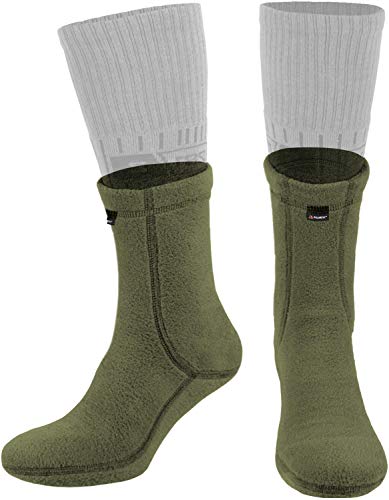
281Z Military Warm 6 inch Liners Boot Socks - Outdoor Tactical Hiking Sport - Polartec Fleece Winter Socks (Large, Olive Green)
Check price on Amazon
Busy Socks Winter Warm Thick Thermal Crew Boot Socks,Medium,1 Pair Black | Full Cushioned Soft Comfort Socks for Men Women Trapping Hiking Trekking Skiing Hunting Cold Weather Outdoor Athletic
Check price on Amazon
2 Pair Winter Walking Snow Boot Liners Insulated Fleece Liners,Size 12 | Cozy Soft Thermal Boot Inserts for Outdoor Hiking Fishing Skiing
Check price on Amazon
Ramede 2 Pairs Waterproof Boot Liners Aluminum Film for Winter, Men's 10 | 11.4" x 4.5" x 10", Warm Boot Socks, Aluminum Film, Waterproof Boots Liners for Outdoor Winter Duck Hunting
Check price on Amazon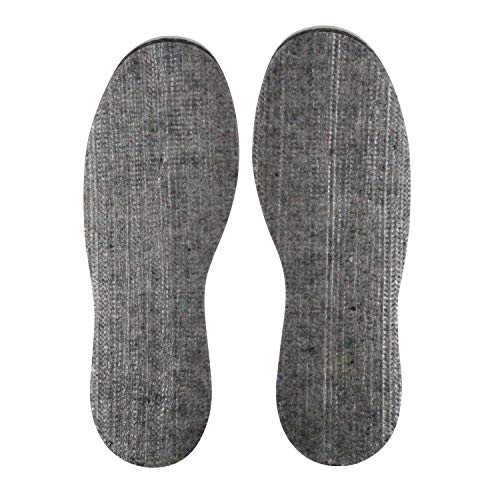
Yaktrax Thermal Cold Weather Insoles for Men and Women, 1 Pair
Check price on Amazon
Ramede 2 Pairs Men Waterproof Duck Hunting Boot Liners Warm Boot Socks with Aluminum Film Waterproof Boots Liners for Outdoor Winter Duck Hunting(Men's 12)
Check price on Amazon