
The Complete Guide to Equestrian Boots
Whether you are a competitive dressage rider, a weekend trail enthusiast, or a professional stable hand, the right pair of equestrian boots is essential for safety, comfort, and performance in the saddle.
Explore the GuideEquestrian boots are not just a fashion statement; they are a critical piece of safety equipment. A proper riding boot protects your leg from friction against the saddle, prevents your foot from slipping through the stirrup, and provides essential support for your ankle and calf. Unlike regular footwear, riding boots are designed with a smooth sole, a defined heel, and a tall shaft to meet the unique demands of horseback riding.
If you are looking for a pair of boots that transition seamlessly from the barn to everyday wear, you might want to consider a long riding boot that offers both functionality and timeless style. However, before you make a purchase, it is crucial to understand the different types, materials, and fit requirements. This guide will walk you through everything you need to know to make an informed decision.
Types of Equestrian Boots: Find Your Perfect Pair
The world of equestrian footwear is diverse, with each style catering to a specific discipline and level of experience. Understanding the differences will help you narrow down your choices.
Tall Riding Boots
Tall boots, also known as field or dress boots, are the most traditional form of riding footwear. They extend to just below the knee and are typically made of stiff leather. These boots are standard for dressage, show jumping, and fox hunting. They offer excellent leg stability and a classic, elegant appearance. However, they require a break-in period and can be quite expensive, with high-end custom pairs often costing between $800 and $2,500.
Paddock Boots and Half Chaps
For casual riders, beginners, or those on a budget, paddock boots paired with half chaps are an excellent alternative. Paddock boots are ankle-height and lace or zip up. When combined with half chaps, they mimic the look and feel of tall boots while offering greater flexibility and breathability. This combination is popular for trail riding and everyday schooling. If you prefer a more rugged look for outdoor adventures, you might find that outdoor boots share some similarities with paddock boots in terms of durability.
Western Riding Boots
Western boots are designed for western disciplines such as reining, cutting, and rodeo. They feature a distinctive pointed toe, a taller heel, and often elaborate leather tooling. The heel is designed to prevent the foot from sliding through the stirrup, which is a critical safety feature. For those who appreciate traditional western craftsmanship, vintage cowboy boots can offer a unique aesthetic that stands out in the arena.
Jodhpur Boots
Jodhpur boots are ankle-height boots with a rounded toe and a low heel. They are worn with Jodhpur pants and are commonly used by younger riders or in specific English riding disciplines. They are less restrictive than tall boots, making them a comfortable choice for growing feet.
How to Choose the Right Equestrian Boots
Selecting the right pair of boots is a personal decision that depends on your riding discipline, budget, and comfort preferences. Here are the key factors to consider:
1. Fit and Sizing
Fit is the most critical aspect of choosing riding boots. A proper fit ensures you have control over your horse and prevents discomfort. When trying on boots, wear the same type of socks you plan to ride in. The boot should feel snug but not tight, with enough room for your toes to move slightly. The heel should be secure with minimal slippage. For tall boots, the shaft should be tall enough to cover your calf but not so tall that it digs into the back of your knee when you bend.
2. Material Matters
Leather is the gold standard for equestrian boots due to its durability, breathability, and ability to mold to your leg over time. Full-grain leather is the most durable, while synthetic materials offer a more affordable and easier-to-clean alternative. If you are looking for a material that is both tough and stylish, leather high knee boots demonstrate how this material can be used for both function and fashion.
3. Sole and Heel
The sole of a riding boot should be smooth and thin to allow you to feel the stirrup. A thick, lugged sole is dangerous as it can get caught in the stirrup. The heel should be at least one inch high to prevent your foot from sliding through the stirrup. For safety, look for boots with a defined heel, similar to what you would find on hobnail boots, which are designed for traction but may not be suitable for riding.
4. Discipline-Specific Features
Different disciplines have different requirements. Dressage boots are typically stiffer and taller, while jumping boots are slightly shorter to allow for ankle flexibility. Western boots have a taller heel and a pointed toe. Trail riders often prefer a more relaxed fit with added cushioning. If you also enjoy hiking when you are not riding, you might appreciate the support found in climbing boots, though they are not a substitute for proper riding footwear.
Equestrian Boot Comparison: A Quick Reference
| Boot Type | Best For | Material | Price Range (USD) |
|---|---|---|---|
| Tall Riding Boots | Dressage, Show Jumping, Fox Hunting | Full-Grain Leather | $800–$2,500 |
| Paddock Boots + Half Chaps | Beginners, Trail Riding, Schooling | Leather or Synthetic | $150–$500 |
| Western Riding Boots | Reining, Cutting, Rodeo | Leather with Tooling | $200–$800 |
| Jodhpur Boots | Young Riders, English Disciplines | Leather | $100–$400 |
Care and Maintenance for Longevity
Equestrian boots are an investment, and proper care will extend their lifespan significantly. After each ride, wipe down your boots with a damp cloth to remove dirt, sweat, and manure. Use a high-quality boot polish or leather conditioner regularly to keep the leather supple and prevent cracking. For tall boots, use boot trees or stuff them with newspaper to maintain their shape. If your boots have zippers, clean them with a soft brush to prevent dirt buildup. A bootjack can be a helpful tool for removing your boots without damaging the heel.
Pro Tip: Never dry your leather riding boots near a direct heat source, such as a radiator or fireplace. This can cause the leather to dry out, crack, and lose its shape. Allow them to air dry naturally at room temperature.
Frequently Asked Questions About Equestrian Boots
It is strongly advised against wearing regular boots for riding. Regular boots often have thick, lugged soles that can get caught in the stirrup, leading to a dangerous situation if you fall. They also lack the smooth sole and defined heel necessary for proper foot placement and safety. Always use purpose-built equestrian boots.
Tall boots should fit snugly around your calf and ankle, with a firm but comfortable feel. Initially, they may feel stiff and slightly tight, especially at the back of the knee. They will drop slightly and mold to your leg with use. Ensure there is no pinching or excessive pressure points. If you can easily fit a finger between the boot and your calf, they may be too loose.
For everyday riding and schooling, paddock boots and half chaps offer a practical and comfortable alternative to tall boots. They provide adequate leg protection and grip. However, for competitions and formal occasions, tall boots are typically required. The choice depends on your riding goals and budget.
Breaking in new leather boots requires patience. Start by wearing them around the house for short periods. You can also use a leather conditioner to soften the leather. Some riders use a boot stretching spray. Avoid wearing them for long rides until they have softened, as this can cause blisters and discomfort. Consistent, short wear sessions over a week or two will gradually mold the leather to your feet.
Recommended Equestrian Boots
⚠️ AFFILIATE DISCLOSURE: This website contains affiliate links. As an affiliate Associate, we earn from qualifying purchases. If you make a purchase through these links, we may receive a small commission at no additional cost to you. Read our full affiliate policy.

Ovation Women's Lightweight Stylish Equestrian Horse Riding Ankle Length Synthetic Vega Leather Quantum Zip Paddock Boots, Black, Size 6
Check price on Amazon
TuffRider Ladies Black DualFlex Vegan Leather Field Boots-Regular-7.5
Check price on Amazon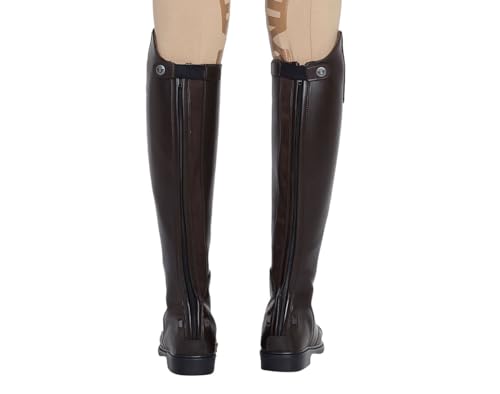
TUFFRIDER Ladies Starter Back Zip Field Boots, Mocha, 7, Slim
Check price on Amazon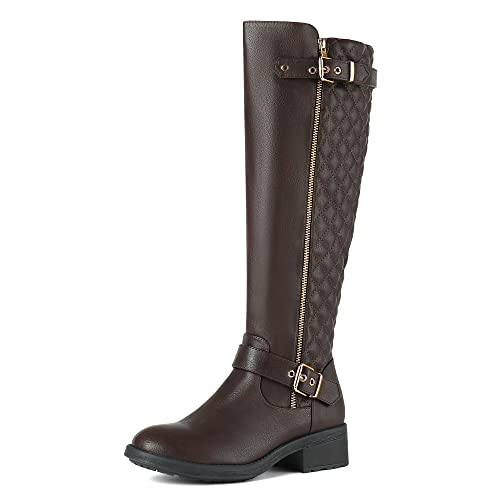
DREAM PAIRS Women's Knee High Riding Boots,Brown,7 | Comfortable Chunky Block Heel Round Toe Side Zipper Fashion Buckles Biker Motorcycle Boots
Check price on Amazon
CELLENZ Women Knee High Boots: Black Comfortable Low Heel Wide Boots 7
Check price on AmazonFinal Thoughts: Investing in Your Ride
Choosing the right equestrian boots is a decision that impacts your safety, comfort, and performance in the saddle. Whether you opt for traditional tall boots, versatile paddock boots, or rugged western boots, prioritize fit and function above all else. Remember that quality boots are an investment that will serve you for many rides to come. Take the time to try on different styles, consult with experienced riders, and read reviews before making your purchase. With the right pair of boots, you will be well-equipped to enjoy every moment with your horse.