
Waterproof Hiking Shoes for Women: The Complete Buying Guide
Stay dry, comfortable, and confident on every trail. Discover how to choose the best waterproof hiking shoes for women, from materials and fit to traction and breathability.
SEE TOP PICKSWhy Waterproof Hiking Shoes for Women Matter: A soggy trail can turn a beautiful hike into a miserable slog. Wet feet lead to blisters, coldness, and a higher risk of injury. For women, the right waterproof hiking shoe isn't just about staying dry—it's about fit, support, and confidence on unpredictable terrain.
This guide is designed for hikers who already know they want a waterproof shoe but need clarity on what actually works. We'll break down waterproof technologies, fit considerations specific to women's feet, and the features that separate a good shoe from a great one. By the end, you'll know exactly what to look for—and be ready to buy with confidence.
What Makes a Hiking Shoe Truly Waterproof?
Not all "waterproof" claims are equal. Understanding the technology behind the label helps you avoid marketing hype and choose a shoe that performs. A truly waterproof hiking shoe combines a waterproof membrane, sealed seams, and a water-repellent exterior.
Waterproof Membranes
Materials like Gore-Tex, eVent, or proprietary brand membranes block water from entering while allowing some moisture vapor to escape. These are the gold standard for wet-weather hiking. Look for shoes that explicitly name their membrane technology.
Sealed Seams
Even the best membrane fails if water seeps through stitching. Quality waterproof shoes have taped or sealed seams. This detail is often overlooked but critical for long-term performance in sustained rain or puddle crossings.
Durable Water Repellent (DWR)
The outer fabric is treated with a DWR finish that makes water bead up and roll off. This isn't permanent—it wears off over time—but it's the first line of defense. Shoes with a good DWR stay lighter and drier in light rain.
Breathability vs. Waterproofing
There's a trade-off. Fully waterproof shoes can trap sweat, leading to dampness from the inside. The best designs balance waterproofing with breathable materials. For intense hikes, consider whether you need absolute waterproofing or high breathability with water resistance.
Key Features to Look For
Women's feet differ from men's in shape, width, and volume. A unisex shoe scaled down often doesn't work. Here are the features that matter most when choosing waterproof hiking shoes for women.
Women-Specific Fit
Look for shoes designed on a women's last, which typically has a narrower heel, higher arch, and more tapered toe box. This reduces heel slippage and prevents toe crowding on descents. If you have wider feet, consider wide hiking shoes for women for a more comfortable fit.
Traction & Outsole
Wet trails demand aggressive lugs and sticky rubber. Look for multi-directional lugs that shed mud and grip slick rock. Vibram and Contagrip are reliable outsole brands. Deep lugs (4–5mm) work well for muddy, technical terrain.
Ankle Support & Protection
Hiking shoes offer less ankle coverage than boots but more than trail runners. A reinforced toe cap protects against rocks, while a padded collar and tongue add comfort. If you need more support, consider top waterproof hiking shoes with mid-height cuts.
Weight & Cushioning
Lighter shoes reduce fatigue on long hikes. Modern waterproof models weigh 10–14 oz per shoe. Cushioning should match your terrain—more for rocky paths, less for smooth trails. EVA and polyurethane midsoles are common; PU lasts longer but is heavier.
Waterproof vs. Non-Waterproof: Pros and Cons
Waterproof shoes aren't always the best choice. Understanding the trade-offs helps you decide based on your hiking environment and preferences.
✅ Pros of Waterproof
- Keeps feet dry in rain, snow, and puddles
- Blocks wind, adding warmth in cold conditions
- Ideal for wet climates and shoulder-season hiking
- Protects against mud and trail debris
- Better for stream crossings and boggy terrain
❌ Cons of Waterproof
- Less breathable—feet sweat more in hot weather
- Heavier than non-waterproof alternatives
- Takes longer to dry once water gets inside
- More expensive due to membrane technology
- Can feel clammy on high-output summer hikes
If you hike mostly in dry, hot climates, a breathable non-waterproof shoe may be better. But for wet, cold, or unpredictable conditions, waterproof is worth the investment. For those who want a lighter option for fast hikes, lightweight hiking shoes for women can complement a waterproof pair.
How to Choose the Right Fit
Fit is the most important factor in hiking comfort—more than brand, price, or waterproofing. A poor fit leads to blisters, black toenails, and instability. Follow these guidelines for a proper fit.
Size Up for Descents
Your feet swell during hiking and slide forward on downhills. Choose a shoe with about a thumb's width of space between your longest toe and the front. This prevents toe bang and black toenails. For narrow feet, look for hiking shoes with a wide toe box that allow natural toe splay.
Heel Lock
Your heel should be snug with no slippage. A good heel lock keeps your foot stable and prevents friction blisters. Lacing techniques like a runner's loop can help. If you have narrow heels, women-specific shoes are essential.
Arch Support
Match the shoe's arch to your foot. Neutral arches need moderate support; high arches need more cushioning; flat feet need stability. Removable insoles let you customize. For extra support, consider arch support guide for insights on insoles.
Try Before You Buy
Wear the socks you'll hike in. Try shoes at the end of the day when feet are largest. Walk on a ramp or incline to test heel slippage and toe room. If ordering online, check the return policy—fit is too important to compromise.
Materials and Care for Longevity
Waterproof hiking shoes need proper care to maintain performance. The membrane and DWR finish degrade over time without maintenance.
Materials: Leather is durable and naturally water-resistant but heavy. Synthetic mesh is lighter and more breathable but less abrasion-resistant. Hybrid designs combine leather and mesh for balance. Nubuck offers a soft feel but requires more care.
Cleaning: Remove mud with a soft brush and cool water. Avoid hot water and harsh detergents—they damage membranes and DWR. For leather, use a leather cleaner and conditioner. For synthetic, a mild soap solution works.
Reproofing: DWR wears off. Reapply a spray-on or wash-in DWR treatment every few months or when water stops beading. Follow the manufacturer's instructions. This restores water repellency without affecting breathability.
Drying: Never put hiking shoes in a dryer or near direct heat—it warps materials and damages membranes. Air dry at room temperature, stuffing with newspaper to absorb moisture. For faster drying, consider a boot dryer designed for outdoor footwear.
Storage: Store in a cool, dry place. Avoid compressing shoes or leaving them in damp environments. For long-term storage, use boot storage covers to protect from dust and moisture.
Best Waterproof Hiking Shoes for Women
⚠️ AFFILIATE DISCLOSURE: This website contains affiliate links. As an affiliate Associate, we earn from qualifying purchases. If you make a purchase through these links, we may receive a small commission at no additional cost to you. Read our full affiliate policy.

Columbia Womens Newton Ridge Plus Waterproof Amped, Stratus/Canyon Rose, 9
Check price on Amazon
NORTIV 8 Women's Waterproof Hiking Boots Trekking,Black/Pink,8.5 | Lightweight Hiking Walking Trail Work Rain Camping Outdoor Slip Resistant Daily Boots Seeker
Check price on Amazon
Merrell Women's Moab 3 Wp Hiking Shoe, New Altitude, 8 | Why We Like The Merrell Moab 3 Waterproof Hiking Shoe
Check price on Amazon
Women's Waterproof Hiking Boots Lightweight Non-Slip Outdoor 8.5, Beige | Rugged grip, durable outsole, comfortable for mountain terrain
Check price on Amazon
NORTIV 8 Women's Lightweight Ankle Hiking Boots Backpacking,Light Grey,8 | Waterproof Hiking Walking Trekking Work Camping Comfortable Slip-Resistant Outdoor Boots
Check price on Amazon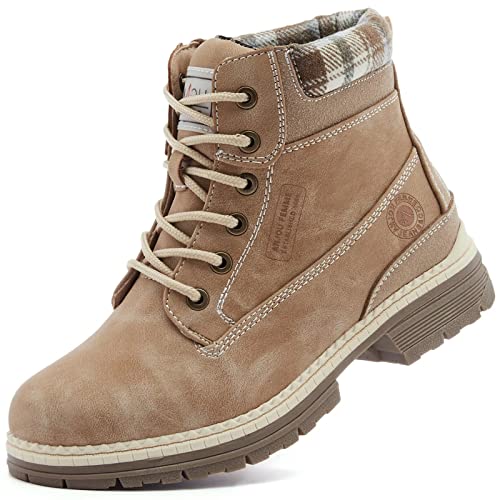
ANJOUFEMME Outdoor Hiking Boots for Women Waterproof - Womens Ankle Boots Lightweight Snow Winter Boots for Trekking Walking
Check price on Amazon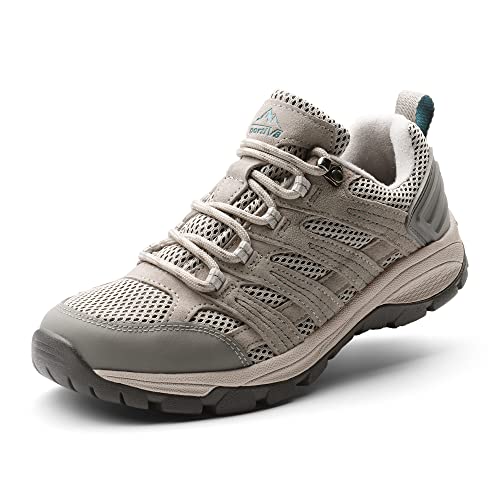
NORTIV 8 Women's Lightweight Hiking Shoes,Light Grey,8 | Breathable Walking Sneakers Slip-Resistant For Outdoor Work Travel Daily Wear Wander
Check price on Amazon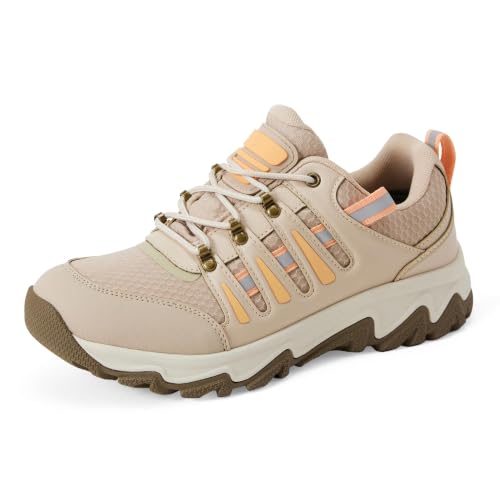
Amazon Essentials Women's Waterproof Hiking Shoe, Sand, 9
Check price on AmazonPrice Guide: What to Expect
Waterproof hiking shoes for women range from budget-friendly to premium. Here's a realistic breakdown based on current market prices:
- Budget: $60–$100 — Basic waterproofing, decent traction, heavier materials. Good for casual trails and occasional use.
- Mid-Range: $100–$160 — Better membranes (Gore-Tex or equivalent), improved fit, lighter weight, and more durable outsoles. The sweet spot for most hikers.
- Premium: $160–$250 — Top-tier materials, advanced waterproofing, superior traction, and women-specific lasts. Ideal for serious hikers and technical terrain.
- Luxury/Technical: $250+ — Specialized features, ultralight construction, or premium leather. For dedicated enthusiasts and specific performance needs.
For most women, the mid-range offers the best balance of performance and value. If you're hiking regularly in wet conditions, investing in the premium tier pays off in comfort and durability. For those on a tighter budget, affordable hiking boots can still provide reliable waterproofing for moderate use.
Frequently Asked Questions
Are waterproof hiking shoes worth it?
Yes, if you hike in wet, cold, or unpredictable conditions. They keep your feet dry, warm, and comfortable, reducing blister risk. However, for hot, dry climates, a breathable non-waterproof shoe may be more comfortable.
How long do waterproof hiking shoes last?
With proper care, a quality pair lasts 2–4 years of regular hiking. The waterproof membrane can degrade over time, and DWR needs periodic reapplication. Outsoles wear down after 500–800 miles depending on terrain.
Can I use waterproof hiking shoes for everyday wear?
Absolutely. Many women wear them for commuting, walking, and travel. They're less breathable than sneakers, so for hot days, consider a lighter option. For casual wear, a waterproof walking shoes for women may be more suitable.
How do I know if my hiking shoes are truly waterproof?
Check for a named membrane (Gore-Tex, eVent, etc.), sealed seams, and a DWR finish. Read reviews about real-world performance. A simple test: hold the shoe under a running tap for a minute—water should bead off, not soak in.
Should I size up for waterproof hiking shoes?
Often, yes. Feet swell during hiking, and waterproof shoes are less forgiving. A thumb's width of toe room is ideal. Always try before buying or choose a retailer with easy returns.
What's the difference between waterproof and water-resistant?
Water-resistant shoes repel light rain and splashes but eventually soak through. Waterproof shoes have a membrane that blocks water entirely, even in sustained rain or puddles. Waterproof is better for wet conditions; water-resistant is lighter and more breathable.
Final Thoughts
Choosing the right waterproof hiking shoes for women comes down to fit, features, and intended use. Prioritize a women-specific fit, a reliable waterproof membrane, and aggressive traction. Don't overlook care—proper maintenance extends the life and performance of your investment.
Whether you're tackling muddy trails, rocky scrambles, or rainy day hikes, the right pair keeps you dry, comfortable, and focused on the adventure. Use this guide to make an informed decision, and get ready to hit the trail with confidence.