
Ladies Slip Resistant Boots: The Complete Safety & Comfort Guide
From hospital corridors to restaurant kitchens and warehouse floors, the right pair of slip resistant boots keeps you safe, supported, and confident through every shift. Here is everything you need to know before you buy.
SHOP RECOMMENDED BOOTSWhy Slip Resistance Matters: According to workplace safety data, slips, trips, and falls remain among the most common causes of occupational injury — and footwear is your first line of defense. For women who spend long hours on slick tile, oiled concrete, or wet pavement, a properly rated slip resistant boot is not a luxury. It is essential protective equipment. This guide walks you through outsole technology, safety ratings, fit considerations, and real-world performance so you can choose with confidence.
What Actually Makes a Boot Slip Resistant?
Many shoppers assume that any boot with a rubber sole will grip well. In reality, slip resistance is an engineered property that depends on the outsole compound, tread pattern, and the surface it contacts. Understanding these elements helps you separate genuine safety footwear from fashion boots that merely look rugged.
The outsole compound is the foundation. Manufacturers blend natural and synthetic rubber with additives that increase friction on wet and oily surfaces. Softer compounds tend to grip better on smooth tile, while harder compounds resist abrasion on rough concrete. Premium models often use dual-density soles that combine a soft, grippy bottom layer with a firmer midsole for stability. If you also need protection against heavy objects, look for steel toe shoes that combine toe protection with an anti-slip outsole.
Tread design matters just as much. Shallow, tightly spaced lugs work well on flat indoor surfaces, while deeper, wider lugs channel water and debris away on outdoor terrain. The best work footwear uses a combination: a broad heel strike zone for braking, angled sipes for water dispersion, and a defined toe pivot area for natural movement. For women who split their time between indoor and outdoor environments, a versatile hybrid tread is usually the smartest choice.
Finally, slip resistance is tested and rated. In the United States, the ASTM F2913 standard measures forward heel slip on a contaminated surface, while SATRA testing is common in European markets. Boots that pass these tests are labeled accordingly. Always check the product description or hangtag for a specific rating rather than relying on marketing language like “non-slip” alone.
Key Features to Look For in Ladies Slip Resistant Boots
Certified Outsole Rating
Look for ASTM F2913 or SATRA-certified slip resistance. These ratings confirm the outsole has been independently tested on wet, oily, and dry surfaces — not just described as “non-slip” in marketing copy.
Waterproof or Water-Resistant Upper
Leather and synthetic uppers with sealed seams keep feet dry, which indirectly improves grip because wet feet shift inside the boot and reduce stability. Many women’s styles now offer full waterproof membranes.
Cushioned Midsole & Arch Support
Long shifts demand shock absorption. A supportive midsole reduces fatigue, and proper arch support keeps your foot aligned so the outsole contacts the ground as designed. Consider adding arch support insoles if the stock footbed feels flat.
Lightweight Construction
Traditional safety boots can feel heavy. Modern materials like composite toes and EVA midsoles cut weight significantly, making it easier to stay quick and balanced on your feet all day.
Easy On/Off Design
After a long shift, you want boots that slide off without a struggle. Elastic side panels, pull tabs, and wide openings make a real difference. A boot jack at home can also save your back and preserve the heel counter.
Breathable Lining
Moisture management keeps feet comfortable and reduces the risk of blisters and fungal issues. Mesh linings and moisture-wicking materials are worth prioritizing if you wear your boots for eight hours or more.
Matching Your Boots to Your Work Environment
Not all slip hazards are the same. A boot that excels in a hospital may underperform in a kitchen, and a warehouse floor presents different challenges than a snowy parking lot. Use the table below to identify which features matter most for your daily routine.
| Environment | Primary Hazard | Recommended Features |
|---|---|---|
| Hospital & Healthcare | Wet tile, bodily fluids, polished floors | ASTM-certified outsole, fluid-resistant upper, easy-clean surface, quiet tread |
| Restaurant & Kitchen | Oil, grease, water, food debris | Oil-resistant compound, deep sipes, closed-cell foam midsole, waterproof |
| Warehouse & Logistics | Dusty concrete, occasional spills, heavy loads | Abrasion-resistant outsole, composite or steel toe, ankle support |
| Outdoor & Agriculture | Mud, wet grass, uneven terrain | Aggressive lug pattern, waterproof membrane, high ankle cut, mud release |
| Retail & Hospitality | Polished floors, varied surfaces | Versatile tread, lightweight, all-day cushioning, professional appearance |
How to Choose the Right Fit
Maintaining Slip Resistance Over Time
Slip resistance degrades as outsoles wear down and pick up debris. A few simple habits keep your boots performing at their best:
- Clean the tread regularly. Oil, mud, and food particles fill the grooves and reduce contact with the floor. Scrub the outsole with a stiff brush and mild soap, then rinse and air dry away from direct heat.
- Condition leather uppers. Dry leather cracks and loses shape, which can affect fit and stability. A quality leather boot conditioner keeps the upper supple and water-resistant. For smooth leather, a leather shoe conditioner works equally well.
- Inspect for wear. Check the heel and forefoot areas every few months. Once the tread pattern is worn smooth, it is time to resole or replace the boots. Continuing to wear bald soles is a safety risk.
- Rotate your footwear. If possible, alternate between two pairs. This gives each pair time to dry completely, which extends the life of the outsole and lining.
- Store properly. Keep boots in a cool, dry place. Avoid leaving them in a hot car or damp closet, both of which accelerate material breakdown.
If you also own western or fashion boots, the same care principles apply. A shoe boot polish can restore color and add a protective layer to leather styles.
Common Mistakes to Avoid
Even well-intentioned buyers make mistakes that undermine safety and comfort. Here are the most common pitfalls:
- Choosing style over certification. A fashionable boot with a rubber sole is not the same as a tested slip resistant boot. If your workplace requires safety footwear, verify the rating.
- Ignoring the surface you work on. A boot designed for oily kitchen floors may not perform well on icy outdoor pavement. Match the outsole to your primary environment.
- Buying too small. A tight boot restricts circulation and causes pain. Always err on the side of a little extra room, especially in the toe box.
- Skipping the break-in period. Wearing brand-new boots for a 12-hour shift is a recipe for blisters. Plan ahead and break them in gradually.
- Neglecting maintenance. A dirty, worn outsole loses grip quickly. Regular cleaning and timely replacement are essential.
Recommended Ladies Slip Resistant Boots
⚠️ AFFILIATE DISCLOSURE: This website contains affiliate links. As an affiliate Associate, we earn from qualifying purchases. If you make a purchase through these links, we may receive a small commission at no additional cost to you. Read our full affiliate policy.

SHIBEVER Women's Winter Snow Boots: Waterproof Fur-Lined Ankle Booties
Check price on Amazon
SHULOOK Non Slip Work Boots for Women Slip-Resistant Shoes Waterproof Food Service Chef Kitchen Restaurant Working Casual Comfortable Ankle Boot Outdoor Walking Booties Sneakers Black Size 7.5
Check price on Amazon
Lugz | Mantle Hi Womens Boots | Slip Resistant Womens Fall Boots | Everyday Women Footwear, Black, 8 M
Check price on Amazon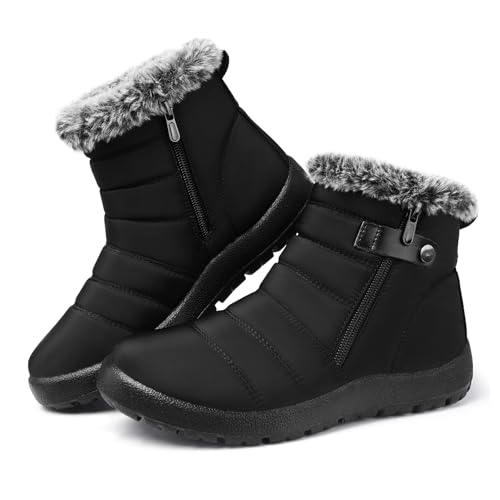
SHIBEVER Winter Boots for Women Snow: Warm Waterproof Non Slip Outdoor Boot
Check price on Amazon
SHULOOK Non Slip Work Boots Women Comfortable Slip Resistant Shoes Black
Check price on Amazon
Western Chief Women's Tall Waterproof Rain Boot, Garden Play, 8
Check price on Amazon
Skechers Women's Easy Going-Modern Hour Slip-In Ankle Boot, Black, 8
Check price on AmazonFrequently Asked Questions
Are slip resistant boots the same as non-slip boots?
The terms are often used interchangeably, but “slip resistant” is the more accurate industry term. It means the outsole has been tested and rated to reduce slipping on specific surfaces. “Non-slip” is a marketing phrase that has no standardized definition, so always look for a specific certification like ASTM F2913.
Can I wear slip resistant boots outside of work?
Absolutely. Many women choose slip resistant boots for everyday wear because the grip and cushioning are genuinely comfortable. Styles with a streamlined silhouette work well with jeans and casual outfits. If you want a fashion-forward option, look for womens Chelsea boots or brown womens boots with a grippy outsole.
How often should I replace slip resistant boots?
It depends on how often you wear them and the surfaces you walk on. As a general rule, replace them every 6–12 months if you wear them daily for work. Inspect the outsole monthly. Once the tread pattern is visibly worn down in the heel or forefoot, grip is compromised and it is time for a new pair.
Do I need steel toe protection too?
Only if your workplace requires it. Slip resistance and toe protection are separate features. If you work around heavy objects or in construction, look for boots that offer both. Otherwise, a lightweight slip resistant boot without a safety toe will be more comfortable for all-day wear.
What is the best outsole material for slip resistance?
Natural rubber blends generally offer the best grip on wet and oily surfaces. Polyurethane is lighter and more abrasion-resistant but can be slicker when wet. Many premium boots use a rubber outsole with a polyurethane midsole to combine grip and cushioning. Avoid hard plastic soles, which provide almost no traction on smooth floors.
Can I add insoles to improve comfort?
Yes, and many women do. If the stock footbed feels thin or unsupportive, replacing it with an aftermarket insole can dramatically improve comfort. Just make sure the insole does not make the boot too tight. Remove the original footbed first if possible to preserve room inside the boot.
Ready to Find Your Perfect Pair?
You now have the knowledge to choose ladies slip resistant boots with confidence. Prioritize certification, fit, and the specific demands of your work environment. Your feet — and your safety — will thank you.
VIEW TOP RECOMMENDATIONSFinal Thoughts
Investing in a quality pair of ladies slip resistant boots is one of the smartest decisions you can make for your safety and comfort at work. The right boot reduces fatigue, prevents injuries, and keeps you moving confidently through even the longest shifts. Focus on certified traction, proper fit, and materials that match your environment. With the guidance in this article, you are well-equipped to make a purchase you will not regret.
If you are still exploring broader footwear options, our boot purchase guides cover everything from hiking to western styles. And if you are looking for deals, browse our work boots on sale section for current discounts on trusted brands.