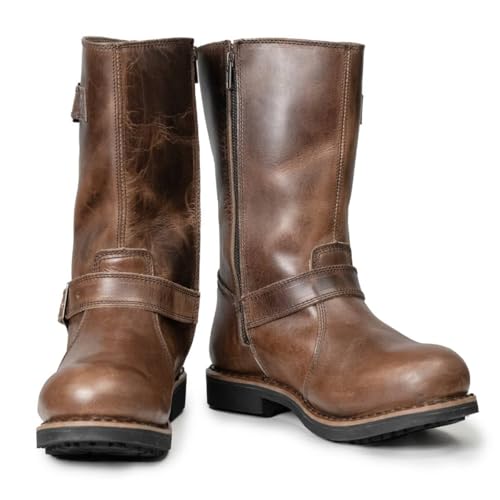
Engineer Boots: The Complete Guide to Style, Fit & Durability
From rugged work sites to urban streets, engineer boots have stood the test of time. This guide covers everything you need to know before buying your perfect pair — history, leather types, fit, comfort, and styling.
START YOUR RESEARCHWhat Are Engineer Boots?
Engineer boots are a distinctive style of pull-on leather footwear originally designed for railroad engineers, welders, and motorcyclists in the mid-20th century. Unlike lace-up boots, they feature a smooth, laceless front with a buckle or strap closure at the ankle and often another strap across the instep or shaft. This design allows for quick removal while providing a secure fit that stays put during heavy activity.
Today, engineer boots have transcended their industrial roots to become a staple in casual, rugged, and even smart-casual wardrobes. Their timeless silhouette — characterized by a rounded or square toe, a sturdy sole, and often a harness strap — makes them a versatile choice for anyone seeking durable, comfortable, and stylish footwear. If you appreciate classic work-inspired aesthetics, you might also explore moc-toe boots for a different take on heritage footwear.
A Brief History of Engineer Boots
The engineer boot was born out of necessity in the 1930s and 1940s. Railroad engineers needed footwear that was easy to pull on and off, resistant to oil and heat, and secure enough to stay on their feet while climbing ladders and operating heavy machinery. The laceless design eliminated the risk of laces catching on equipment, while the buckle straps allowed for a customized fit.
After World War II, the boot's popularity spread to motorcyclists and factory workers. By the 1950s and 1960s, engineer boots became a symbol of rebellion and rugged individualism, worn by bikers and rockers. Today, they are produced by heritage brands and fashion houses alike, appreciated for their blend of function and form. Their enduring appeal lies in their simplicity and the way they develop a unique patina with wear.
Key Features That Define Engineer Boots
When shopping for engineer boots, pay attention to these defining characteristics:
- Laceless Design: The absence of laces is the most recognizable feature. Instead, the boot is secured by a strap and buckle at the ankle and often a second strap across the shaft.
- Pull-On Tabs: Leather loops at the top of the shaft help you pull the boots on.
- Harness Strap: The iconic buckle strap around the ankle — sometimes decorative, sometimes functional — is a hallmark of the style.
- Sturdy Sole: Most engineer boots feature a thick rubber or leather sole with a defined heel, often a "Cuban" or "logger" heel for stability.
- Leather Construction: Full-grain or top-grain leather is standard, though some budget models use corrected-grain leather. For a truly premium experience, look for brown leather boots with a rich, natural finish.
- Height: Most engineer boots are 10 to 12 inches tall, covering the ankle and lower calf. This provides excellent support and protection.
Leather Types: Choosing the Right Material
The quality of an engineer boot is largely determined by the leather used. Here's a breakdown of the most common options:
Full-Grain Leather
The highest quality leather, full-grain retains the entire hide's surface. It's durable, breathable, and develops a beautiful patina over time. This is the gold standard for engineer boots and is worth the investment if you want a pair that lasts for years.
Top-Grain Leather
Slightly sanded to remove imperfections, top-grain is still very durable but slightly less breathable than full-grain. It's a common choice for mid-range engineer boots and offers a more uniform appearance.
Corrected-Grain Leather
This leather has been heavily sanded and stamped with a grain pattern to hide flaws. It's less expensive but also less durable and won't age as gracefully. Found in budget engineer boots, it's fine for occasional wear but not for heavy use.
Exotic Leathers
Some high-end engineer boots use exotic leathers like caiman, python, or stingray. These offer unique textures and are significantly more expensive. They're a statement choice for collectors and fashion-forward buyers.
Getting the Right Fit: Sizing & Comfort
Engineer boots have a unique fit profile. Because they are pull-on, they need to be snug around the instep and heel to prevent slippage, but roomy enough in the toe box to avoid pinching. Here's what to keep in mind:
- Snug Heel: Your heel should not lift more than a quarter-inch when you walk. If it does, the boot is too loose and may cause blisters.
- Instep Fit: The strap across the instep should be adjustable to accommodate your foot's height. A good engineer boot will have a buckle that allows for fine-tuning.
- Toe Room: You should have about a thumb's width of space between your longest toe and the front of the boot. This prevents toe bang when walking downhill.
- Break-In Period: Engineer boots made of stiff leather can take several weeks to break in. Wear them around the house first, then for short walks, gradually increasing wear time. A boot stretcher can help if you have a high instep or wide feet.
- Socks Matter: Always try on boots with the socks you plan to wear. Thick wool socks can change your size by half a size or more.
If you have specific foot concerns like plantar fasciitis or need extra arch support, look for engineer boots with removable insoles or consider adding an aftermarket insole. For more on comfortable options, see our guide to comfortable boots.
How to Style Engineer Boots
Engineer boots are incredibly versatile. Their rugged yet refined look pairs well with a variety of outfits:
Casual & Everyday
Pair brown or black engineer boots with dark denim jeans, a plain t-shirt, and a leather jacket for a classic, effortlessly cool look. Roll up your jeans slightly to show off the boot's silhouette. For a more relaxed vibe, try them with chinos and a flannel shirt.
Workwear & Heritage
Engineer boots are a natural fit for workwear-inspired outfits. Combine them with raw denim, a chambray shirt, and a waxed canvas jacket. This aesthetic celebrates durability and timeless style. If you like this look, you might also appreciate men's brown boots for a slightly different flavor.
Smart-Casual & Urban
For a modern, urban look, wear black engineer boots with slim-fit trousers and a tailored overcoat. The contrast between the rugged boot and polished clothing creates a sophisticated edge. Avoid overly formal settings — engineer boots are not dress shoes.
Engineer Boots vs. Other Boot Styles
How do engineer boots compare to other popular styles? Here's a quick comparison:
| Feature | Engineer Boots | Chelsea Boots | Harness Boots | Work Boots |
|---|---|---|---|---|
| Closure | Buckle straps | Elastic side panels | Buckle straps | Laces |
| Height | 10–12 inches | 5–7 inches | 8–10 inches | 6–8 inches |
| Best For | Motorcycling, casual, workwear | Smart-casual, everyday | Motorcycling, fashion | Construction, heavy labor |
| Leather | Full-grain, top-grain | Full-grain, suede | Full-grain, top-grain | Full-grain, synthetic |
| Price Range | $200–$800+ | $150–$600+ | $180–$700+ | $100–$400+ |
If you prefer a slip-on style with a lower profile, leather Chelsea boots might be a better fit. For those who need maximum protection and ankle support, traditional comfortable work boots are worth considering.
What to Look for When Buying Engineer Boots
Before you make a purchase, keep these key factors in mind:
- Construction: Look for Goodyear welted or stitchdown construction. These methods allow for resoling, extending the life of your boots significantly.
- Sole: Rubber soles offer better traction and shock absorption, while leather soles are more traditional and breathable. For motorcycling, choose an oil-resistant rubber sole.
- Hardware: Buckles should be made of solid brass or stainless steel, not cheap pot metal that can break or corrode.
- Lining: Leather linings are more breathable and durable than synthetic linings. They also mold to your foot over time.
- Brand Reputation: Established brands with a history of making engineer boots are generally a safer bet. Read reviews and check return policies.
- Price: Expect to pay between $200 and $800 for a quality pair. Boots under $150 are likely made with corrected-grain leather and may not last as long.
If you're also considering a more western-inspired look, you might want to browse brown cowboy boots or square toe cowboy boots as an alternative.
Caring for Your Engineer Boots
With proper care, a good pair of engineer boots can last a decade or more. Here are the essentials:
- Clean Regularly: Wipe off dirt and dust with a damp cloth after each wear. For leather, use a dedicated leather cleaner every few months.
- Condition: Apply a leather conditioner to keep the leather supple and prevent cracking. Do this every 2–3 months, or more often if you wear them daily.
- Waterproof: Use a waterproofing spray or wax to protect against rain and stains. Reapply seasonally.
- Store Properly: Use cedar shoe trees to absorb moisture and maintain shape. Store in a cool, dry place away from direct sunlight.
- Rest: Avoid wearing the same pair every day. Rotating between two pairs gives the leather time to dry out and recover.
For more detailed care instructions, explore our guides on leather cleaning and waterproofing.
Frequently Asked Questions About Engineer Boots
Are engineer boots comfortable for all-day wear?
Yes, once broken in. The key is getting the right fit and choosing a pair with good arch support and a cushioned insole. Many modern engineer boots are designed with comfort in mind, making them suitable for all-day wear.
Can I wear engineer boots with a suit?
Generally, no. Engineer boots are too casual and bulky for traditional suits. However, they can work with a slim, casual suit in a relaxed setting if styled carefully. For formal occasions, opt for dress boots or dress shoes instead.
How do I know if my engineer boots are too big?
If your heel slips more than a quarter-inch when you walk, or if you can easily pull the boot off without unbuckling, they're too big. A proper fit should feel snug around the heel and instep but roomy in the toe box.
What is the difference between engineer boots and harness boots?
Engineer boots typically have a taller shaft (10–12 inches) and a more utilitarian design, while harness boots are shorter (8–10 inches) and often more decorative, with a focus on fashion rather than function.
How much should I expect to pay for quality engineer boots?
A good pair of engineer boots ranges from $200 to $800. Budget options under $150 may use lower-quality leather and construction, while premium brands like Red Wing, Chippewa, and Viberg can exceed $800.
Best Engineer Boots to Consider
⚠️ AFFILIATE DISCLOSURE: This website contains affiliate links. As an affiliate Associate, we earn from qualifying purchases. If you make a purchase through these links, we may receive a small commission at no additional cost to you. Read our full affiliate policy.
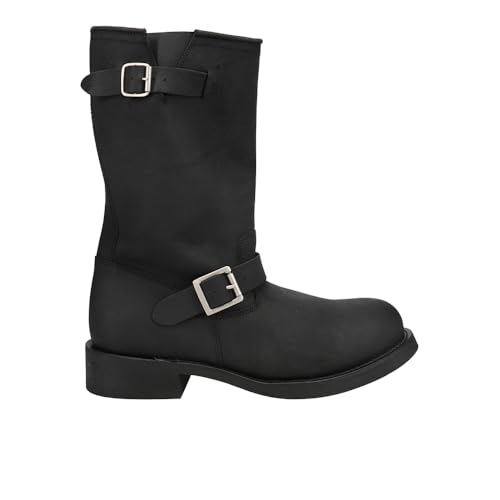
Dingo Boots Mens Rob Motorcycle Casual Boots Mid Calf - Black - Size 9 D_M
Check price on Amazon
Milwaukee Leather Men’s Classic Harness Motorcycle Rider Boots - 11 | Premium Material, Square Toe, Rider Ready, Durable Everyday Wear
Check price on Amazon
Highway 21 Primary Engineer Boots for Men and Women, Protective Motorcycle Boots for Rugged Riding
Check price on Amazon
Milwaukee Leather Men’s Classic Leather Engineer Motorcycle Biker Boots - 9.5
Check price on Amazon
Harley-Davidson Men's Lamberton Engineer Motorcycle Boot, Black, 11
Check price on Amazon
Dingo Mens Chopper Motorcycle Casual Boots Mid Calf - Black - Size 10.5 D_M
Check price on Amazon