
Steel Toe Boots for Wide Feet: The Complete Comfort & Fit Guide
Stop squeezing your feet into boots that don't fit. Discover how to find steel toe boots with a truly wide toe box, proper width sizing, and all-day comfort—without compromising safety on the job.
SEE TOP RECOMMENDATIONSWhat You'll Learn
- Why Standard Steel Toe Boots Hurt Wide Feet
- Signs You Need Wide Steel Toe Boots
- Understanding Width Sizes (D, EE, EEE, 4E)
- Key Features to Look For
- Best Materials for Wide Feet
- How to Measure Your Feet Correctly
- Top Steel Toe Boots for Wide Feet
- Break-In Tips for Wide Steel Toe Boots
- Frequently Asked Questions
Why Standard Steel Toe Boots Are a Nightmare for Wide Feet
If you have wide feet, you already know the struggle. You slide your foot into a standard-width steel toe boot, and immediately feel the pressure—the steel cap pressing against your toes, the sides pinching your pinky toe, and the top of the boot digging into your instep. After a few hours, what started as mild discomfort turns into throbbing pain, blisters, and even numbness.
The problem isn't your feet—it's the boot design. Most steel toe boots are built on a standard "D" width last, which assumes a relatively narrow foot shape. When a rigid steel toe cap is added, the internal space shrinks even further. For someone with wide feet, this creates a cramped, unforgiving environment that no amount of break-in can fix.
Wearing improperly fitted steel toe boots isn't just uncomfortable—it's a safety risk. When your toes are compressed, you lose stability, your gait changes, and you're more prone to trips and falls. In extreme cases, restricted blood flow can cause serious foot health issues over time. That's why finding steel toe work boots with a wide toe box is essential, not optional.
Key Insight: Steel toe boots cannot be stretched in the toe box area because the steel cap is rigid and fixed. The only real solution for wide feet is to buy boots specifically designed with a wide toe box and available in wide width sizes.
Signs You Need Steel Toe Boots for Wide Feet
Not sure if you actually need wide-width boots? Here are the most common signs that your current steel toe boots are too narrow:
- Pinching on the sides: You feel pressure or rubbing on the outer edges of your feet, especially around the pinky toe.
- Blisters on the pinky toe: Repeated friction from a narrow toe box causes painful blisters on the smallest toe.
- Numbness or tingling: After wearing boots for a few hours, your toes go numb or tingle—a sign of restricted circulation.
- Toes feel cramped: Your toes touch the front or sides of the steel cap, even when the boot length seems correct.
- Instep pressure: The top of the boot digs into the top of your foot, causing discomfort when laced up.
- You size up to compensate: You've been buying boots a half-size or full-size larger just to get enough width—resulting in a sloppy fit.
- Visible foot bulge: The leather or synthetic upper bulges outward over the sole, indicating the boot is too narrow.
If any of these sound familiar, it's time to switch to boots designed for wide feet. And if you're also dealing with foot pain, you may benefit from comfortable work boots for wide feet that combine width with proper arch support and cushioning.
Understanding Width Sizes: D, EE, EEE, and 4E Explained
Foot width is measured using letters, with each step representing approximately 3/16 of an inch difference. Here's what each width means in practical terms:
For most people with wide feet, EE or EEE is the right starting point. However, width needs vary depending on the brand and the specific boot last. Some brands run narrow, so you may need to go up a width. Others run wide, so you might stay at EE.
It's also worth noting that your width can change over time due to age, weight fluctuations, or foot conditions like bunions or hammertoes. If you're experiencing foot pain, you may also want to explore boots for plantar fasciitis that offer additional support alongside width.
Key Features to Look For in Wide Steel Toe Boots
Not all wide steel toe boots are created equal. Here are the features that make the biggest difference for wide feet:
Wide Toe Box
A roomy, rounded toe box allows your toes to spread naturally without pressure from the steel cap. Look for boots described as having a "wide toe box" or "roomy fit."
True Wide Width Sizing
Boots available in EE, EEE, or 4E widths ensure the entire boot—not just the toe—accommodates your foot shape properly.
Adjustable Lacing System
Multiple eyelets and a well-designed lacing system let you customize the fit across your instep and ankle.
Cushioned Insole
A removable, cushioned insole provides shock absorption and can be replaced with custom orthotics if needed.
Shock Absorption
Look for boots with shock-absorbing midsoles to reduce fatigue during long shifts on hard surfaces.
Breathable Lining
Moisture-wicking linings keep feet dry, reducing the risk of blisters and fungal issues—especially important when feet are wide and prone to rubbing.
Slip-Resistant Outsole
A durable, slip-resistant outsole ensures safety on oil, water, and uneven surfaces—a must for work environments.
Electrical Hazard Protection
If you work around live circuits, choose boots with EH-rated soles and steel toes for comprehensive protection.
Best Materials for Wide Steel Toe Boots
The material of your boots plays a huge role in how well they accommodate wide feet. Here's how the most common materials compare:
| Material | Stretchability | Durability | Breathability | Best For |
|---|---|---|---|---|
| Full-Grain Leather | Moderate — molds to foot over time | Excellent | Good | Long-term wear, work environments |
| Nubuck Leather | Moderate — soft, supple feel | Very Good | Very Good | Comfort-focused work, indoor/outdoor |
| Suede | High — soft and flexible | Moderate | Excellent | Light-duty work, casual wear |
| Synthetic Mesh | High — lightweight and flexible | Moderate | Excellent | Warm climates, light work |
| Rubber | Low — rigid but waterproof | Excellent | Poor | Wet environments, chemical resistance |
For wide feet, full-grain leather and nubuck are often the best choices because they mold to your foot shape over time, providing a custom-like fit. However, if you need maximum breathability, consider synthetic mesh or suede. If you work in wet conditions, rubber boots with wide sizing are the way to go—though you'll want to pair them with moisture-wicking socks.
Regardless of material, proper care extends the life of your boots and keeps them comfortable. Regular cleaning and conditioning with a leather boot cleaner and conditioner helps maintain flexibility—especially important for wide feet that put extra stress on the leather.
How to Measure Your Feet for Wide Steel Toe Boots
Getting the right fit starts with accurate measurements. Here's a step-by-step guide:
- Measure at the end of the day: Your feet swell throughout the day, so evening measurements are most accurate.
- Wear the socks you'll use: Thick work socks take up space, so measure with them on.
- Use a Brannock device: Visit a shoe store or use a printable Brannock device to measure both length and width.
- Measure both feet: Most people have one foot slightly larger than the other. Always fit to the larger foot.
- Stand while measuring: Weight-bearing measurements are more accurate than sitting measurements.
- Check the width: The Brannock device will indicate your width (D, EE, EEE, etc.).
If you can't measure in person, trace your foot on a piece of paper and measure the widest part. Compare that to the brand's size chart—but keep in mind that boots price to quality doesn't always correlate with accurate sizing, so always check reviews for fit feedback.
Recommended Steel Toe Boots for Wide Feet
⚠️ AFFILIATE DISCLOSURE: This website contains affiliate links. As an affiliate Associate, we earn from qualifying purchases. If you make a purchase through these links, we may receive a small commission at no additional cost to you. Read our full affiliate policy.

NORTIV 8 Men's Waterproof Steel Toe Work Boots,Black-Leather,12 | Slip Resistant ASTM-certified Safety Toe Boots for Men for Construction,Warehouse,Industrial and Daily Work,Paladin-Steel
Check price on Amazon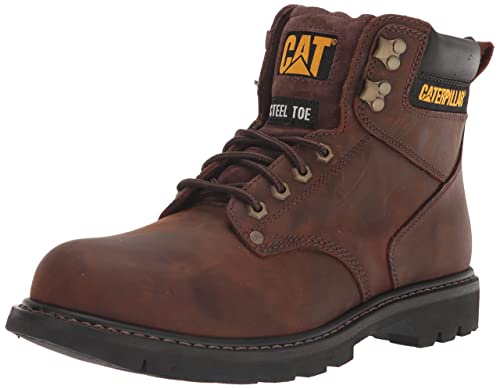
CAT Men's Second Shift Steel Toe Work Boot, Dark Brown, 10.5 Wide
Check price on Amazon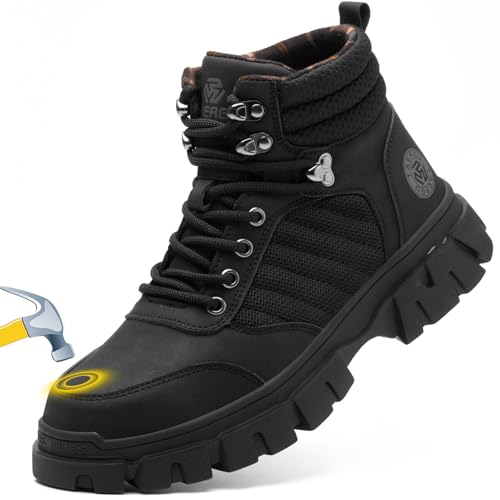
Waterproof Steel Toe Boots For Men-6 Inch Comfortable Mens Safety Work Boots Indestructible Steel Toe Shoes Lightweight Non Slip Puncture Resistant Industrial Construction Boot,Black,Size 9.5 men
Check price on Amazon
Waterproof Steel Toe Boots For Men-6 Inch Comfortable Mens Safety Work Boots Indestructible Steel Toe Shoes Lightweight Non Slip Puncture Resistant Industrial Construction Boot,Brown,Size 12 men
Check price on Amazon
BOIWANMA Work Boots for Men, Steel Toe, Leather, Oil, Slip and Heat Resistant Heavy Duty Wide Industrial & Construction Safety Boots, US 16W
Check price on Amazon
KELODON Waterproof Steel Toe Boots For Men Safety Work Shoes,Black Size 9 | Mens 6" ASTM Lightweight Industrial & Construction Boots with Comfortable Non-Slip Resistant Outsole & Moc Toe
Check price on Amazon
KEEN Utility Men's Lansing Mid Height Steel Toe Waterproof Work Boots
Check price on AmazonBreak-In Tips for Wide Steel Toe Boots
Even the best wide steel toe boots need a break-in period. Here's how to make the process as comfortable as possible:
- Start slow: Wear your new boots for 1–2 hours a day for the first week. Gradually increase wear time as they soften.
- Use thick socks: Thick wool or moisture-wicking socks provide cushioning and help mold the leather to your feet.
- Condition the leather: Applying a leather conditioner before first wear softens the material and speeds up break-in.
- Use a boot stretcher: For leather boots, a boot stretcher can help widen specific areas (though not the steel toe itself).
- Insoles: If your boots feel too loose after break-in, add a cushioned insole like a heel cushion for extra comfort.
- Be patient: Full-grain leather boots can take 2–4 weeks to fully break in. Don't rush the process.
If you experience persistent pain or discomfort after break-in, the boots may simply be the wrong shape for your feet. Don't force it—try a different brand or model. Your feet will thank you.
Frequently Asked Questions
The best steel toe boots for wide feet feature a roomy toe box, wide width options (EE, EEE, or 4E), and adjustable lacing. Look for brands that offer true wide sizing and prioritize comfort features like cushioned insoles and shock absorption. Models from Keen, Timberland Pro, and Red Wing are popular choices for wide feet.
Signs you need wide steel toe boots include pinching or rubbing on the sides of your feet, blisters on the pinky toe, numbness after wearing boots for a few hours, or your current boots feeling tight even after break-in. Measuring your foot width with a Brannock device provides accurate sizing.
Steel toe boots cannot be stretched in the toe box area because the steel cap is rigid and fixed. However, leather uppers can be professionally stretched in other areas like the instep or heel. The best solution is to purchase boots specifically designed for wide feet with a wide toe box.
For wide feet, standard widths range from EE (2E) to 4E. EE is moderately wide, EEE (3E) is wide, and 4E is extra wide. It's best to measure your feet professionally or use a Brannock device to determine your exact width. If you're between widths, go with the wider option for steel toe boots.
Standard-width steel toe boots are often problematic for wide feet because the steel cap reduces internal space. However, steel toe boots designed specifically for wide feet—with a wide toe box and proper width sizing—are not only safe but essential for workplace protection. The key is choosing the right fit.
Ready to Find Your Perfect Fit?
Don't settle for uncomfortable steel toe boots. Explore our top recommendations for wide feet and experience all-day comfort without compromising safety.
VIEW RECOMMENDED BOOTS