
Leather Soccer Shoes: The Complete Buyer's Guide
Discover why leather soccer cleats remain the gold standard for touch, comfort, and durability. Learn how to choose, fit, and care for the perfect pair.
SEE TOP PICKSWhy Leather Still Rules: While synthetic materials have advanced, leather soccer shoes—especially kangaroo leather—offer an unmatched combination of softness, ball feel, and natural foot adaptation that professional and amateur players alike still crave. This guide will help you navigate the world of leather cleats with confidence.
The Enduring Appeal of Leather Soccer Shoes
In the modern game, synthetic soccer cleats dominate the shelves with their lightweight builds and vivid colors. Yet, a dedicated group of players—from Sunday league amateurs to Premier League professionals—still swear by leather soccer shoes. The reason is simple: leather offers a level of comfort, fit, and ball contact that synthetics struggle to replicate.
Whether you're a playmaker who demands precision or a defender who values durability, understanding the nuances of leather footwear is key. If you're exploring the broader market, you might also be interested in our guide to new soccer shoes to see how leather models compare to the latest synthetic releases. For those seeking value, our cheap soccer cleats page offers budget-friendly alternatives without sacrificing quality.
This guide is designed for players who have already decided that leather is the way to go but need help choosing the right type, fit, and care regimen. We'll cover the differences between kangaroo and calfskin leather, the break-in process, and how to maintain your investment for seasons to come.
Why Choose Leather Soccer Cleats?
Leather soccer shoes are not just a nostalgic choice; they are a performance decision. Here's what sets them apart:
- Superior Ball Feel: Leather molds to your foot and provides a softer, more responsive touch on the ball. This is crucial for dribbling, passing, and shooting with precision.
- Natural Fit & Comfort: Unlike stiff synthetics, leather stretches and conforms to the unique shape of your foot, reducing pressure points and blisters.
- Breathability: Natural leather allows air to circulate, keeping your feet cooler and drier during intense matches.
- Durability (with Care): High-quality leather, when properly maintained, can outlast many synthetic uppers. It resists tearing and abrasion better than thin plastic films.
- Classic Aesthetic: There's an undeniable elegance to a black or tan leather boot that synthetics rarely match. It's a timeless look that transcends trends.
However, leather isn't without its drawbacks. It requires more care, can be heavier when wet, and often comes with a higher price tag. If you're looking for a shoe that requires zero maintenance and is ready to play out of the box, a synthetic might be more suitable. But if you're willing to invest a little time, the rewards are substantial.
Pros and Cons of Leather Soccer Shoes
✅ Pros
- Exceptional ball feel and touch
- Molds to your foot for a custom fit
- Breathable and temperature-regulating
- Durable with proper maintenance
- Classic, professional appearance
- Stretches to accommodate minor width issues
❌ Cons
- Requires regular cleaning and conditioning
- Can become heavy when wet
- Typically more expensive than synthetics
- Needs a break-in period
- Absorbs water if not treated
- Less color variety than synthetic options
Kangaroo vs. Calfskin: Which Leather is Right for You?
Not all leather is created equal. The two most common types used in high-end soccer shoes are kangaroo leather (often called "k-leather") and calfskin. Each has distinct properties that affect performance and feel.
| Feature | Kangaroo Leather | Calfskin Leather |
|---|---|---|
| Weight | Extremely lightweight | Slightly heavier |
| Strength-to-Weight Ratio | Highest of any leather | Very good, but lower than kangaroo |
| Softness & Feel | Ultra-soft, exceptional ball feel | Soft, but slightly stiffer initially |
| Durability | Excellent, resists tearing | Very good, but can scuff more easily |
| Water Resistance | Poor without treatment | Poor without treatment |
| Break-In Period | Minimal, often game-ready | Moderate, requires several sessions |
| Price Range | $150–$300+ | $100–$250 |
| Best For | Players prioritizing touch and speed | Players seeking a balance of value and performance |
Kangaroo leather is the pinnacle for many professional players. Its unique fiber structure makes it incredibly thin and strong, allowing for a barefoot-like feel while still offering protection. Calfskin, while slightly heavier, is more readily available and often more affordable. It still provides excellent comfort and touch, making it a great entry point into leather soccer shoes.
If you're also considering footwear for other surfaces, you might find our guide to indoor turf soccer shoes useful for comparing how different materials perform on artificial pitches.
Getting the Perfect Fit: Sizing and Break-In
One of the biggest advantages of leather soccer shoes is their ability to stretch and mold to your feet. However, this means the initial fit should be snug, not loose.
Key Fitting Tips:
- Snug is Good: Your toes should just barely touch the end of the boot. Leather will stretch approximately half a size over time.
- Heel Lock: Ensure your heel is firmly locked in place. There should be minimal slippage when you run.
- Width Consideration: Leather accommodates wider feet better than synthetics, but if you have very wide feet, look for models specifically designed for a wider fit.
- Try on with Match Socks: Always try on new cleats with the socks you plan to wear during games. Sock thickness can significantly affect fit.
The Break-In Process: Unlike synthetics, leather requires a gentle break-in. Start by wearing them around the house for short periods, then progress to light training sessions. Avoid soaking them in water (a common myth) as this can damage the leather. A proper break-in ensures the boot molds to your foot without causing blisters or discomfort. For a deeper dive into this process, see our boots break-in guide.
Caring for Your Leather Soccer Shoes
To maximize the lifespan and performance of your leather cleats, a simple care routine is essential. Neglecting this can lead to cracking, drying, and premature wear.
After Every Match:
- Remove dirt and mud with a soft brush or damp cloth.
- Allow them to air dry naturally at room temperature. Never place them near a radiator or in direct sunlight, as this dries out the leather.
- Stuff them with newspaper to absorb moisture and help maintain their shape.
Monthly (or as Needed):
- Apply a leather conditioner or cream to keep the leather supple and prevent cracking. This is especially important for kangaroo leather.
- Use a waterproofing spray to protect against rain and wet pitches. Reapply regularly.
- For suede or nubuck leather models, use a specialized suede brush and protector. Our guide to protecting suede shoes offers detailed advice.
Proper storage is also crucial. Keep your boots in a cool, dry place. Using boot trees can help maintain their shape and absorb moisture, extending their life significantly. If your boots develop creases, a boot stretcher can help alleviate pressure points.
Top-Rated Leather Soccer Shoes
⚠️ AFFILIATE DISCLOSURE: This website contains affiliate links. As an affiliate Associate, we earn from qualifying purchases. If you make a purchase through these links, we may receive a small commission at no additional cost to you. Read our full affiliate policy.

adidas mens Copa Mundial Soccer Shoe, Black/White/Black, 9 Women 8 Men US
Check price on Amazon
Pirma Brasil 501 Men's Soccer Cleats White/Black | US Footwear Size System | Adult | Men | Numeric | Medium | 9.5
Check price on Amazon
Diadora Calcetto LT Turf Soccer Shoes - Full Grain Leather, Enhanced Cushioning, Anti-Wear Rubber, Synthetic Turf, Optimal Traction and Stability, Black/White, 8 UK
Check price on Amazon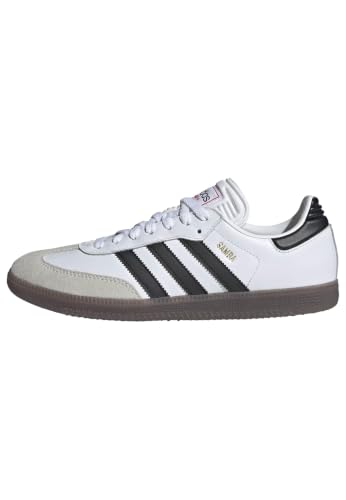
Adidas Unisex-Adult Samba Indoor, White/Black/Vivid Red, 6.5 | Soccer Shoes, Football Boots, Sports Performance Shoes, Leather Upper, Rubber Outsole, Lace Closure, for Indoor Surfaces
Check price on Amazon
New Balance Men's 442 V2 Team FG Soccer Shoe, Black/White, 11.5 Medium US
Check price on Amazon
Umbro Speciali 98 Maxim V22 FG Soccer Cleats, Black/White, 9.5
Check price on Amazon
New Balance Unisex 442 V2 Pro FG Soccer Shoe (Black, 7.5 D Medium)
Check price on AmazonWhat to Look for When Buying
When you're ready to purchase, keep these factors in mind to ensure you get the best value for your money:
- Upper Material: Confirm it's genuine leather (kangaroo or calfskin). Some brands use "synthetic leather" which lacks the same properties.
- Stitching: Look for reinforced stitching in high-stress areas like the toe box and heel. This is a sign of quality construction.
- Soleplate: Choose a soleplate appropriate for your playing surface (FG for firm ground, SG for soft ground, AG for artificial grass). The soleplate should be securely bonded to the upper.
- Weight: While leather is generally heavier than synthetics, modern kangaroo leather boots are remarkably light. Try on several pairs to compare.
- Price: Leather soccer shoes typically range from $100 to $300. Prices vary based on the type of leather, brand, and technology. If you're on a budget, consider looking at soccer shoes on sale or exploring cheap soccer cleats for entry-level options.
If you're also interested in footwear for other sports, you might explore our guides on wrestling shoes for youth or ninja shoes for obstacle course racing.
Frequently Asked Questions
Are leather soccer shoes better than synthetic?
It depends on your priorities. Leather offers superior comfort, fit, and ball feel. Synthetics are typically lighter, require no break-in, and are easier to maintain. Many professional players still prefer leather for its touch and natural fit.
How long do leather soccer shoes last?
With proper care, a high-quality leather soccer shoe can last 1–2 seasons of regular play, or even longer for casual players. The key is regular cleaning, conditioning, and avoiding excessive moisture.
Can I wear leather soccer shoes on artificial grass?
Yes, but you should choose a soleplate designed for artificial grass (AG). Using FG (firm ground) boots on AG can damage both the boot and the pitch. Leather itself is fine on AG, but it may scuff more easily.
How do I clean kangaroo leather soccer shoes?
Use a soft brush or damp cloth to remove dirt. Avoid soaking them. Apply a dedicated leather conditioner specifically formulated for kangaroo leather to keep it soft and prevent drying. Never use harsh chemicals or machine wash them.
What is the price range for leather soccer shoes?
Entry-level calfskin models start around $100. Mid-range options are typically $150–$220. High-end kangaroo leather boots from top brands can range from $220 to $300+. Limited edition or pro-level models may exceed $300.
Ready to Find Your Perfect Pair?
Explore our curated selection of top-rated leather soccer shoes and experience the difference for yourself.
SHOP LEATHER SOCCER SHOESFinal Thoughts
Leather soccer shoes are an investment in your game. They offer a level of comfort, touch, and tradition that synthetics simply cannot match. By understanding the differences between kangaroo and calfskin, ensuring a proper fit, and committing to a simple care routine, you can enjoy the benefits of leather for many seasons.
Whether you're a seasoned veteran or a newcomer looking to elevate your play, a quality pair of leather cleats is a worthy addition to your gear bag. Take your time, try on different models, and choose the pair that feels like an extension of your foot. Your game will thank you.