
Hobnail Milk Glass: The Complete Collector's Guide
Discover the history, patterns, values, and care secrets of this beloved vintage glassware.
START EXPLORINGCollector's Note: Hobnail milk glass remains one of the most beloved and accessible vintage glass categories. Whether you are a seasoned collector or just starting out, this guide will help you identify authentic pieces, understand fair market values, and care for your collection properly.
What Is Hobnail Milk Glass?
Hobnail milk glass is a distinctive type of opaque white glassware characterized by a raised, bumpy texture that resembles the hobnails traditionally used on the soles of work boots. This beloved American glassware reached the height of its popularity during the Victorian era and experienced a massive revival in the mid-20th century. The milk glass base—created by adding tin oxide or bone ash to the glass mixture—gives each piece its signature creamy, opaque white appearance that collectors have cherished for generations.
The production of hobnail milk glass involves a fascinating process. Glassmakers use a patterned mold that creates the distinctive raised bumps while the glass is still molten. Once cooled, the hobnails create a beautiful play of light and shadow that makes each piece unique. While most hobnail milk glass is white, you can also find pieces in colors like beige, pink, blue, and even black, though these are considerably rarer.
The texture of hobnail glass serves both aesthetic and practical purposes. The raised bumps provide a tactile experience that makes these pieces a joy to handle, while also creating a visual depth that flat glass cannot match. This unique combination has made hobnail milk glass a staple in American households for over a century, appearing in everything from elegant serving pieces to everyday kitchenware.
The Rich History of Hobnail Milk Glass
The origins of milk glass date back to 16th-century Venice, where glassmakers developed the opaque white formula that would eventually become known as "milk glass." However, the hobnail pattern as we know it today emerged during the Victorian era in the mid-to-late 1800s. American glass companies like Fenton, Westmoreland, and Imperial Glass recognized the appeal of this textured pattern and began producing hobnail milk glass pieces for the mass market.
The Fenton Art Glass Company, founded in 1905, became one of the most prolific producers of hobnail milk glass. Their signature "Fenton Hobnail" line featured the characteristic bumpy texture and was produced in a wide range of shapes and sizes. Other manufacturers like Westmoreland Glass, Imperial Glass, and Anchor Hocking also produced popular hobnail patterns, each with subtle variations that collectors use to identify pieces today.
The mid-20th century saw a massive resurgence in popularity for hobnail milk glass. During the 1940s through the 1960s, these pieces became a staple in American homes. Brides received hobnail milk glass as wedding gifts, and it became a symbol of hearth and home. The pieces were often sold as premiums or gifts with purchases, making them accessible to families of all income levels. This widespread availability means that today, finding quality hobnail milk glass pieces is relatively easy, though rare pieces and complete sets command premium prices.
How to Identify Authentic Hobnail Milk Glass
Identifying authentic hobnail milk glass requires attention to several key characteristics. First, examine the color and opacity. True milk glass has a consistent, creamy white appearance throughout the piece. Hold the piece up to a light source—while milk glass is opaque, quality pieces often have a subtle glow when backlit. Pieces that appear gray or yellowish may indicate age-related discoloration or damage.
Next, feel the texture of the hobnails. Authentic pieces have raised bumps that are uniform in size and spacing, with smooth, well-defined edges. The bumps should feel consistent across the entire surface, without flat spots or irregular spacing. Look for a "punty mark" or "pontil mark" on the bottom of the piece—this is where the glass was attached to the blowing rod during production. While not all hobnail milk glass has visible pontil marks (especially mass-produced pieces), their presence can indicate higher-quality, hand-crafted pieces.
Pay attention to the weight and thickness of the glass. Authentic vintage hobnail milk glass has a substantial, solid feel. Pieces that feel unusually light or fragile may be modern reproductions. Finally, check for manufacturing marks or signatures. While many hobnail milk glass pieces are unmarked, some carry the manufacturer's name or logo on the bottom. Fenton pieces, for example, often bear the Fenton logo, while Westmoreland pieces may have a "W" or other identifying mark.
Pro Tip: When examining hobnail milk glass, bring a small flashlight or use your phone's flashlight to backlight the piece. This technique reveals any cracks, chips, or internal imperfections that might not be visible in normal lighting. Also check the rims and edges carefully—these are the most common areas for damage.
Popular Hobnail Milk Glass Patterns and Styles
The world of hobnail milk glass encompasses a wide variety of patterns and styles, each with its own distinct characteristics and collector base. Understanding these patterns is essential for both identification and valuing your pieces.
Fenton Hobnail: Perhaps the most recognizable name in hobnail milk glass, Fenton produced their iconic hobnail line from the 1940s through the 1980s. Fenton hobnail pieces feature a distinctive bumpy texture with a scalloped or ruffled rim on many pieces. Popular shapes include vases, bowls, candy dishes, and pedestal pieces. Fenton's quality and recognizable branding make their pieces among the most sought-after by collectors.
Westmoreland Hobnail: Westmoreland Glass produced hobnail milk glass with slightly different proportions and patterns than Fenton. Their pieces often feature a more subtle hobnail texture and are known for their clean, elegant lines. Westmoreland's "Paneled Grape" and "Beaded Grape" patterns are particularly prized by collectors.
Imperial Hobnail: Imperial Glass created hobnail milk glass with a distinctive diamond or swirl pattern incorporated into the hobnail texture. Their "Diamond Quilted" pattern is especially popular, featuring a crosshatch pattern overlaid with the traditional hobnail bumps.
Anchor Hocking Hobnail: Anchor Hocking produced more affordable hobnail milk glass pieces during the mid-20th century. While their pieces may lack the refinement of Fenton or Westmoreland, they are still collectible and offer an accessible entry point for new collectors.
Beyond these major manufacturers, you'll also find hobnail milk glass from companies like Indiana Glass, Jeannette Glass, and various Japanese and European makers. Each manufacturer has its own subtle variations in texture, color, and shape that experienced collectors can use to identify unmarked pieces.
Understanding Hobnail Milk Glass Values
The value of hobnail milk glass varies widely based on several factors including rarity, condition, manufacturer, and current market demand. As a general rule, common pieces in excellent condition typically sell for $15–$50, while rare or highly desirable pieces can command $100–$500 or more.
Factors That Affect Value:
- Manufacturer: Fenton pieces generally command higher prices than unmarked or less-known manufacturers. Westmoreland and Imperial also bring premium prices.
- Rarity: Limited production runs, unusual colors, and unique shapes are more valuable than mass-produced items.
- Condition: Pieces without chips, cracks, or repairs are worth significantly more than damaged items. Even a small chip can reduce value by 50% or more.
- Completeness: Sets that include all original pieces (such as a complete punch bowl set with cups and ladle) are worth more than individual pieces.
- Age: Earlier pieces (Victorian era) generally command higher prices than mid-century pieces, though certain mid-century patterns are highly collectible.
When pricing hobnail milk glass, it's important to research recent sales of similar pieces. Online marketplaces and auction sites provide valuable data on current market values. Keep in mind that asking prices are often higher than actual selling prices, so focus on completed sales for accurate valuation.
Value Insight: A common Fenton hobnail milk glass vase in excellent condition might sell for $25–$45, while a rare Fenton hobnail punch bowl set could bring $150–$300. Victorian-era hobnail milk glass pieces in pristine condition can sell for $200–$800 depending on rarity and desirability.
Caring for Your Hobnail Milk Glass Collection
Proper care is essential to maintain the beauty and value of your hobnail milk glass collection. Unlike rubber or leather items that require conditioning, glass requires gentle cleaning and careful handling to prevent damage.
Cleaning Your Hobnail Milk Glass: Always hand-wash hobnail milk glass with warm water and a mild dish soap. Avoid abrasive cleaners, scouring pads, or harsh chemicals that can scratch the surface or dull the finish. For stubborn stains, create a paste of baking soda and water, apply gently with a soft cloth, and rinse thoroughly. Never put hobnail milk glass in the dishwasher—the high heat and harsh detergents can cause clouding, cracking, or discoloration.
Drying and Storage: After washing, dry your pieces immediately with a soft, lint-free cloth to prevent water spots. Store hobnail milk glass in a dry, climate-controlled environment away from direct sunlight. Ultraviolet light can cause yellowing over time, so display pieces in a location with indirect lighting. When storing pieces, wrap them in acid-free tissue paper or soft cloth and place them in a sturdy box. Avoid stacking pieces directly on top of each other, as the hobnail texture can cause scratches or chips.
Handling and Display: Always handle your hobnail milk glass with clean, dry hands to avoid leaving oils or dirt on the surface. When displaying pieces, use museum wax or Quake Hold to secure items and prevent accidental falls. Rotate your display periodically to avoid prolonged exposure to light in one area. If you notice any clouding or discoloration, consult a professional glass restorer before attempting any repairs yourself.
Tips for Building a Hobnail Milk Glass Collection
Building a hobnail milk glass collection is a rewarding journey that combines the thrill of the hunt with the satisfaction of preserving beautiful objects from the past. Here are some tips to help you build a collection you'll love for years to come.
Start with a Focus: While it's tempting to buy every hobnail milk glass piece you encounter, a focused collection is often more satisfying and valuable. Consider specializing in a particular manufacturer (like Fenton), a specific type of piece (like vases or punch bowls), or a particular era. This focus will help you make intentional purchases and build a cohesive collection.
Buy the Best You Can Afford: In collecting, condition is everything. It's better to have a few excellent pieces than many damaged ones. Save up for rare or exceptional pieces rather than accumulating common items in poor condition. Remember that quality pieces will always hold their value better than damaged or common ones.
Do Your Research: Before making significant purchases, research the piece thoroughly. Learn about the manufacturer, pattern, and typical market values. Join collector communities online or in person to connect with experienced collectors who can share their knowledge. Reference books and price guides are also valuable resources for serious collectors.
Attend Estate Sales and Auctions: Some of the best hobnail milk glass finds come from estate sales, auctions, and flea markets. Arrive early, bring a flashlight for examining pieces, and don't be afraid to negotiate. Building relationships with local antique dealers can also give you access to pieces before they hit the general market.
Document Your Collection: Keep detailed records of your purchases including photos, descriptions, purchase prices, and any provenance information. This documentation will be invaluable for insurance purposes and for understanding your collection's value over time. Consider creating a digital catalog or using a collection management app to stay organized.
What to Look for When Buying Hobnail Milk Glass
Whether you're shopping online or in person, knowing what to look for can help you avoid costly mistakes and build a collection you're proud of.
Examine the Condition Carefully: Check every piece for chips, cracks, and repairs. Run your finger along the rims and edges—this will help you feel any damage that might not be visible. Look for signs of repair, such as mismatched paint, visible glue lines, or areas that appear different from the rest of the piece. Under good lighting, examine the surface for scratches, cloudiness, or discoloration.
Verify Authenticity: Be aware that reproductions and fakes exist in the hobnail milk glass market. Modern reproductions may use inferior materials or less precise manufacturing techniques. Look for signs of age such as subtle variations in color, slight irregularities in the hobnail pattern, and wear patterns consistent with age. If you're uncertain about a piece's authenticity, consult with an experienced collector or appraiser.
Consider the Source: Reputable dealers and experienced collectors are more likely to provide accurate information about their pieces. When buying online, check seller ratings and reviews, and don't hesitate to ask questions about provenance and condition. Be cautious of deals that seem too good to be true—they often are.
Trust Your Instincts: If something feels off about a piece or a seller, walk away. There will always be other opportunities to add to your collection. Building a collection is a marathon, not a sprint—take your time and enjoy the process.
Why Hobnail Milk Glass Remains a Beloved Collectible
Hobnail milk glass has captured the hearts of collectors for generations, and its appeal shows no signs of fading. There are several reasons why this vintage glassware remains so beloved.
Accessibility: Unlike some vintage collectibles that are prohibitively expensive, hobnail milk glass offers an accessible entry point for new collectors. Common pieces can be found for under $30, making it easy to start a collection without a significant investment. This accessibility also means that there's always something new to discover, no matter your budget.
Aesthetic Appeal: The soft, creamy white color and distinctive hobnail texture give these pieces a timeless beauty that complements a wide range of decor styles. Whether your home is traditional, farmhouse, or even modern, hobnail milk glass adds a touch of vintage charm without feeling dated.
Nostalgia: For many collectors, hobnail milk glass evokes fond memories of grandmother's house or family gatherings. These pieces were ubiquitous in mid-century American homes, and collecting them is a way to connect with the past and preserve a piece of domestic history.
Variety: With hundreds of different shapes, sizes, and patterns available, there's always something new to discover. From delicate figurines to practical serving pieces, hobnail milk glass offers endless possibilities for collectors.
Investment Potential: While not all hobnail milk glass appreciates in value, rare and high-quality pieces have shown steady appreciation over time. As with any collectible, doing your research and focusing on quality can help ensure that your collection holds its value.
Recommended Hobnail Milk Glass Products
⚠️ AFFILIATE DISCLOSURE: This website contains affiliate links. As an affiliate Associate, we earn from qualifying purchases. If you make a purchase through these links, we may receive a small commission at no additional cost to you. Read our full affiliate policy.

Havawish White Hobnail Ceramic Vase 10.2x6'' Vintage Glossy Milk Glass Vase | Porcelain Milk White Flower Container, Farmhouse Style Table Centerpiece, Living Room Office Table Display, Gift Ready Accent
Check price on Amazon
AuldHome Design White Hobnail Ceramic Pitcher (Large), Vintage Retro Style
Check price on Amazon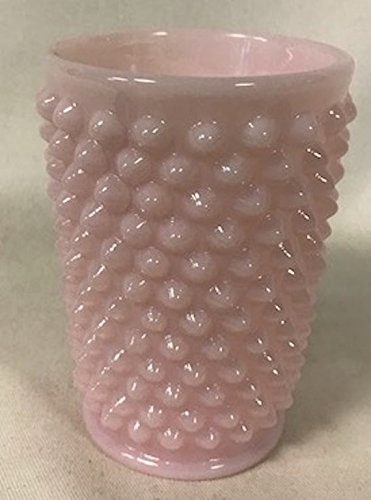
Tumbler/Juice Glass - GiGi Hobnail Pattern - American Made - Mosser Glass USA (Crown Tuscan Pink) (1)
Check price on Amazon
B&P Lamp 7 Inch White Cased Glass Hobnail Student Shade
Check price on Amazon
Wongblee Hobnail Glass Goblets 16.9 Oz, Stemmed Water Glasses, Iced Tea Goblets, Vintage Drinking Glasses for Beverages, Set of 4 (Clear)
Check price on Amazon
Hlukana Vintage Hobnail Drinking Glasses Set of 8, 12 oz Highball Glasses & 10 oz Cocktail Glasses Set, Kitchen Water Glasses Cup, Bar Tumbler Glassware Set for Beer, Juice, Cocktail, Whiskey, Milk
Check price on Amazon
ZOOFOX Set of 6 Vintage Drinking Glasses, 12 Oz Colored Hobnail Glasses Tumbler, Embossed Design Glass Tumblers Set for Water, Beverages, Juice, Beer, Cocktail, Whiskey, Milk
Check price on AmazonFinal Thoughts on Hobnail Milk Glass Collecting
Hobnail milk glass represents a unique intersection of art, history, and accessibility. Whether you're drawn to its tactile beauty, its nostalgic appeal, or its investment potential, there's never been a better time to start or expand your collection. The pieces you collect today will not only bring you joy but also preserve a piece of American manufacturing heritage for future generations.
As you build your collection, remember that the most rewarding collections are those built with knowledge, patience, and passion. Take the time to learn about the pieces you're interested in, connect with other collectors, and enjoy the journey. Whether you're hunting for a rare Fenton piece or simply want to add some vintage charm to your home, hobnail milk glass offers something for everyone.
We hope this guide has given you the knowledge and confidence to start or expand your hobnail milk glass collection. Happy collecting!