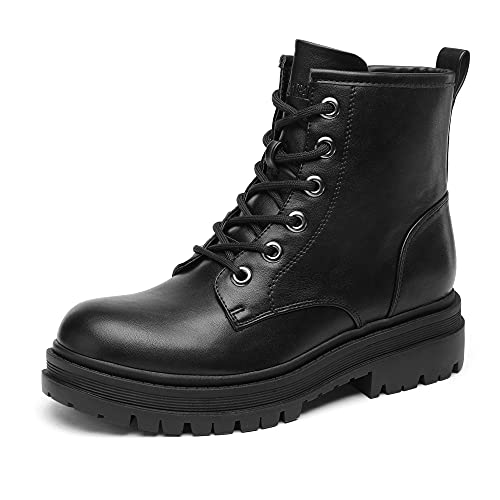
Getting Started with Boots: A Beginner's Complete Guide
New to the world of boots? This step-by-step guide walks you through everything you need to know to choose your first (or next) pair with confidence—from understanding boot types to nailing the perfect fit.
Start Your JourneyWelcome to BootsPedia's Getting Started Guide. If you're new to buying boots—or just want to make a smarter purchase this time around—you've come to the right place. Boots are one of the most versatile and worthwhile investments you can make for your feet, but with hundreds of styles, materials, and features available, the process can feel overwhelming.
This guide cuts through the confusion. We'll walk you through the essential steps: identifying your needs, understanding the different boot styles, measuring your feet correctly, choosing the right materials, setting a realistic budget, and knowing when to buy. By the end, you'll have all the knowledge needed to make a confident, informed purchase.
The 5 Essential Steps to Buying Boots
Follow these five steps in order, and you'll dramatically reduce the chance of ending up with boots you regret. Each step builds on the previous one, so take your time and be honest about your actual needs.
Identify Your Primary Use
Before you look at a single boot, get clear on what you'll actually use them for. Work? Hiking? Everyday wear? Fashion? Your primary use case determines almost everything else—from the style you need to the features you should prioritize.
Measure Your Feet Properly
Boot sizing is not the same as sneaker sizing. Measure your feet at the end of the day (when they're largest), wearing the socks you'll typically wear with your boots. Note both length and width—many people need a wider fit than they realize.
Choose Your Materials
Leather, suede, nubuck, synthetic, or rubber? Each material offers different benefits in terms of durability, weather resistance, breathability, and care requirements. Choose based on your climate and maintenance willingness.
Set a Realistic Budget
Quality boots are an investment, but you don't need to spend a fortune. Budget boots can serve you well for casual wear, while premium boots offer long-term value for daily use. Know what price range makes sense for your needs.
Try Before You Buy
Whenever possible, try on multiple pairs and walk around in them. Pay attention to heel slip, toe room, arch support, and overall comfort. The best boot is the one that fits YOUR feet—not the one that gets the best reviews.
Step 1: Identify Your Primary Use
The single most important question to answer is: what will you primarily use these boots for? Your answer determines the style, features, and materials that will serve you best.
Here are the most common use cases and the corresponding boot types:
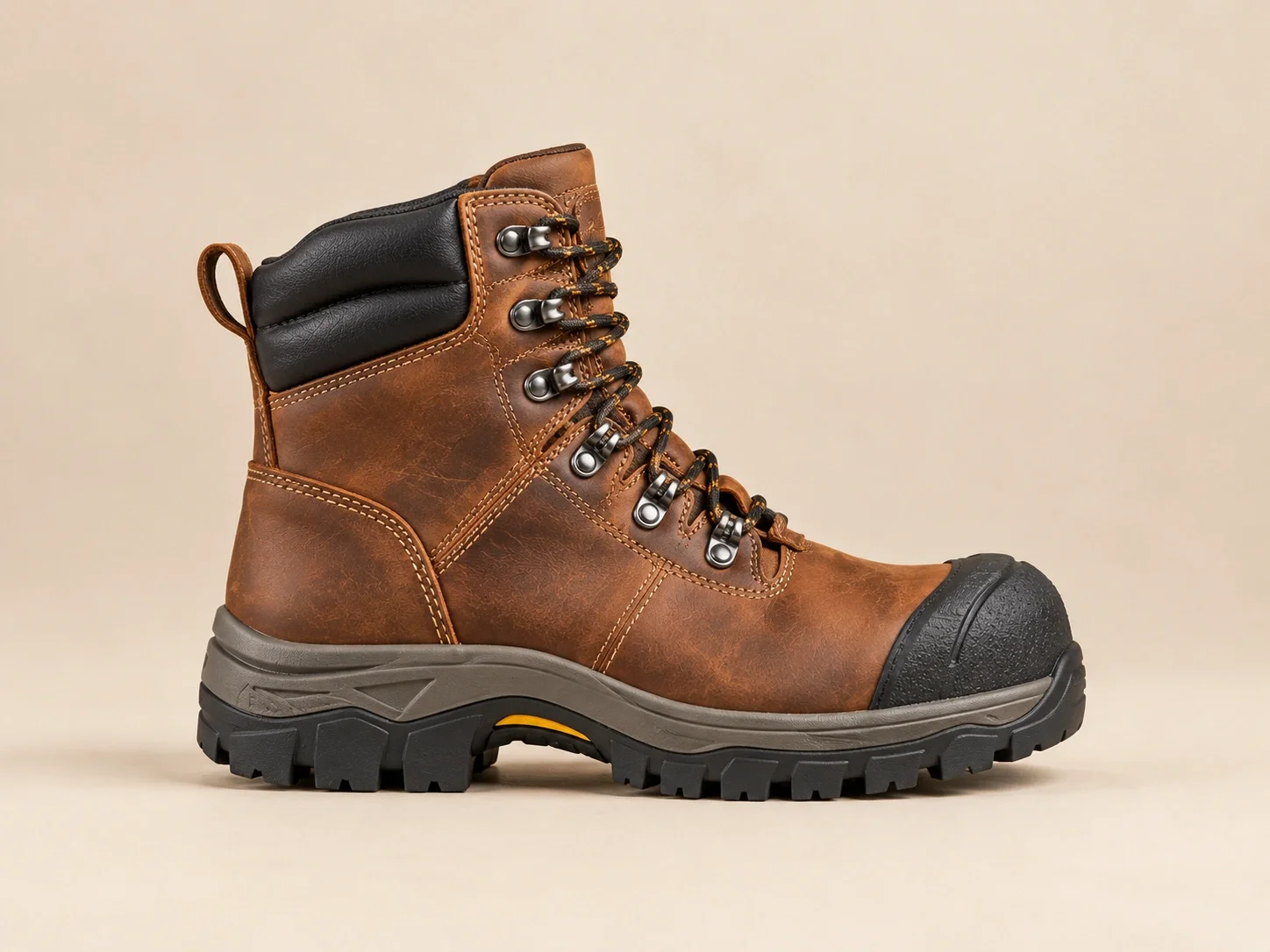
For Work & Job Sites
Safety and durability matter most. Look for steel or composite toe, slip resistance, and electrical hazard protection.
Explore Work Boots →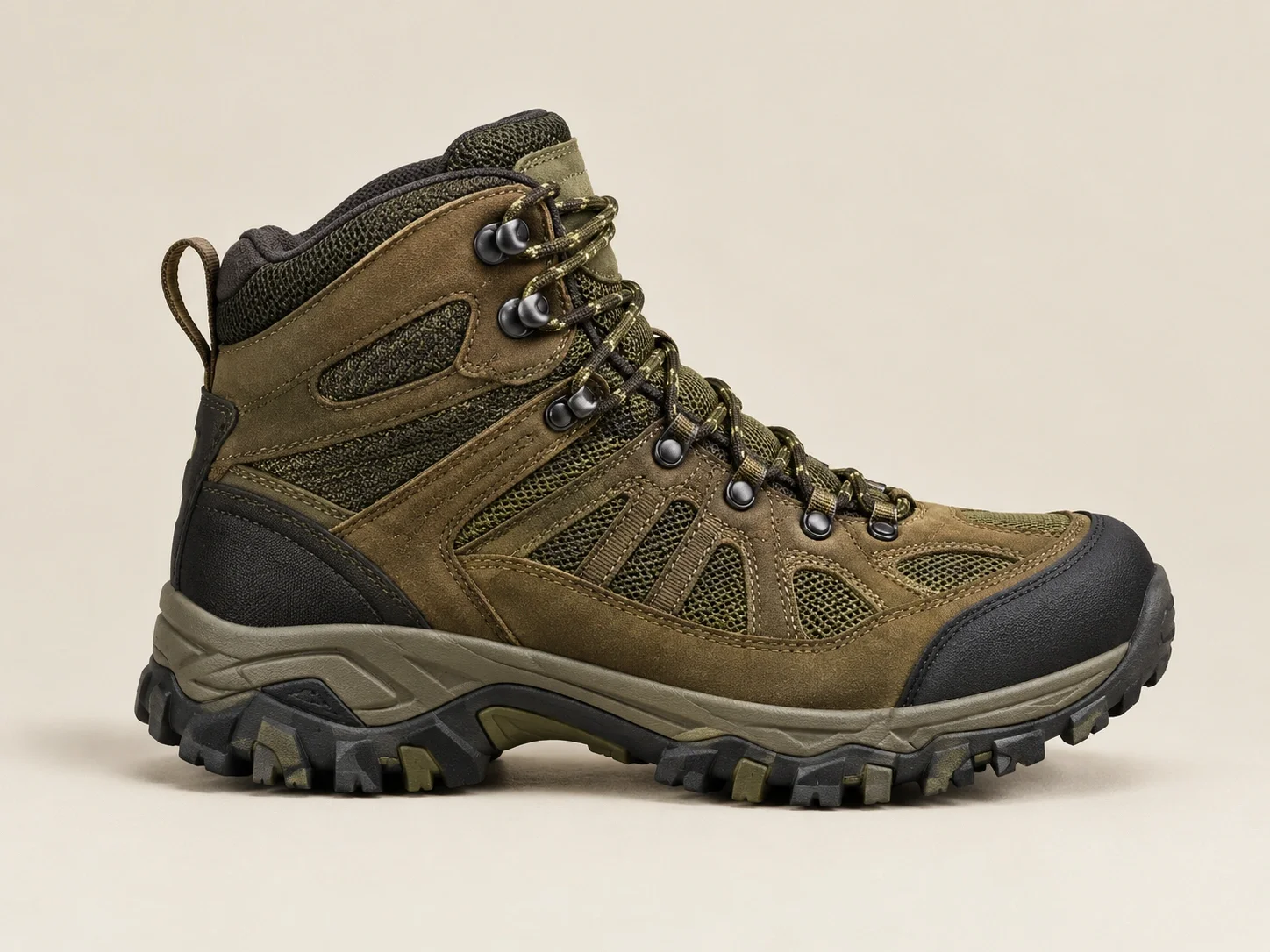
For Hiking & Outdoors
Ankle support, aggressive traction, and waterproofing are key. Match boot weight to your terrain and load.
Explore Hiking Boots →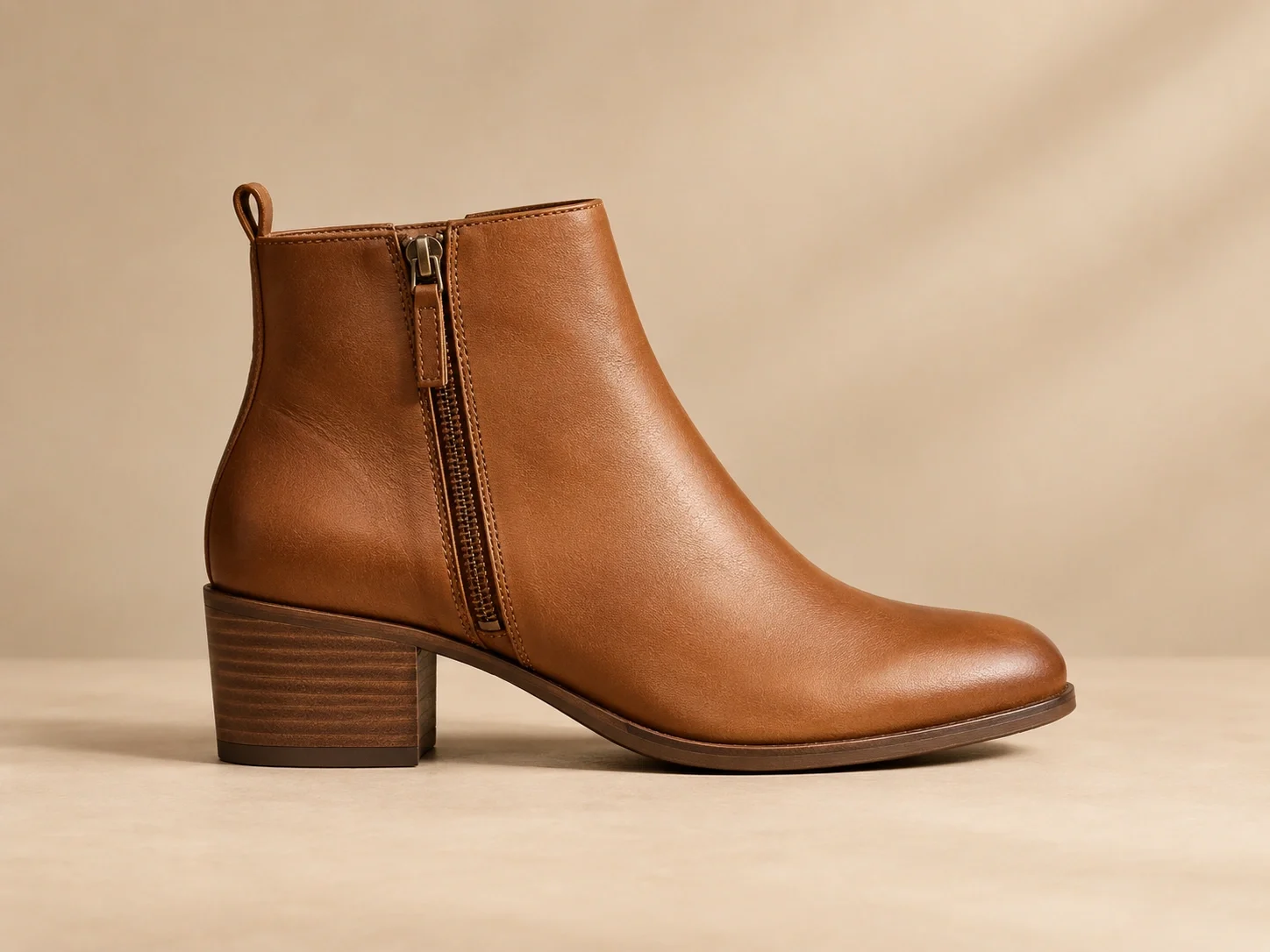
For Everyday Wear
Comfort, versatility, and style are priorities. Ankle boots and Chelsea boots are excellent starting points.
Explore Ankle Boots →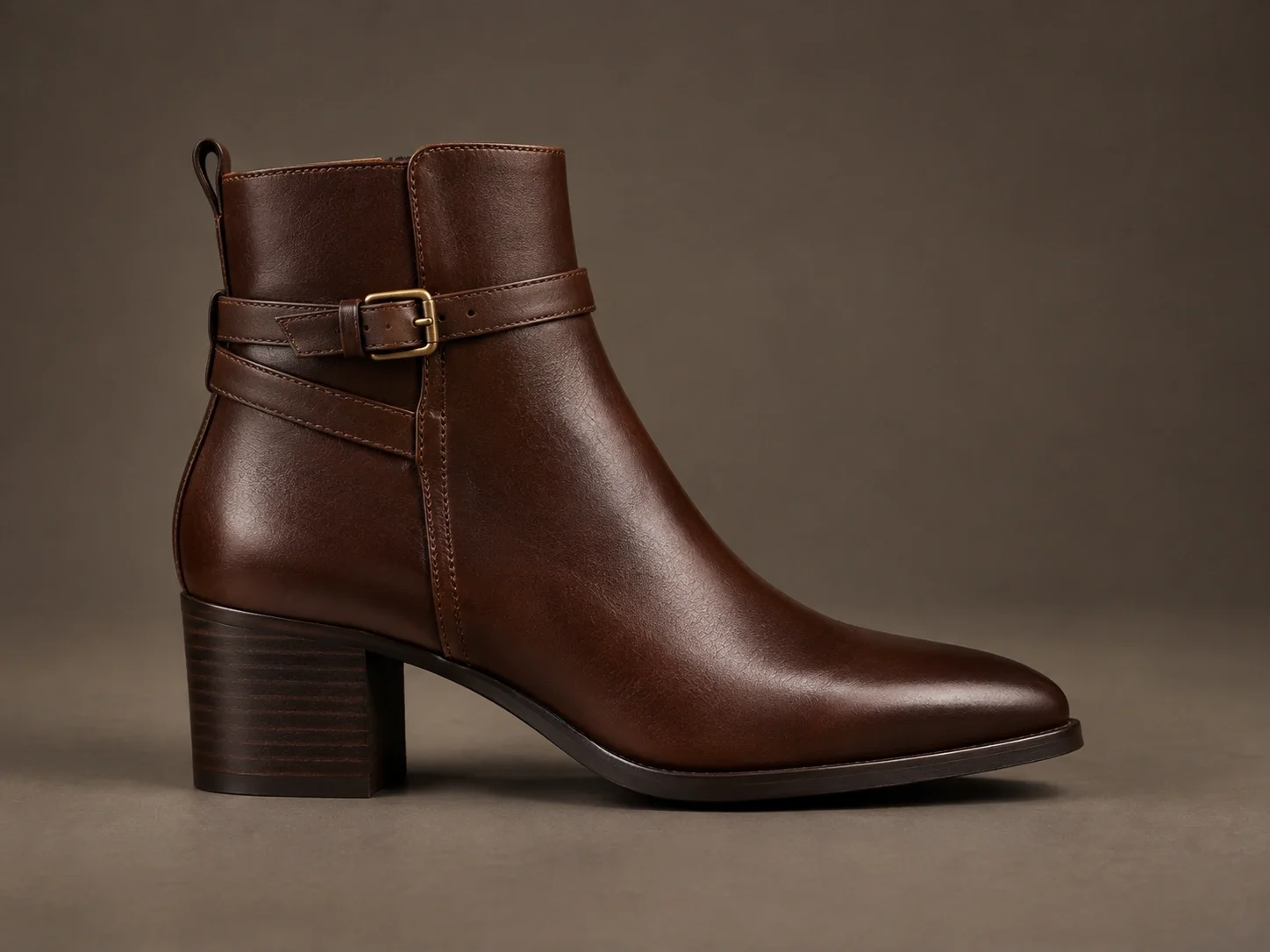
For Fashion & Style
Silhouette, material, and color matter most. Leather boots and statement styles elevate any outfit.
Explore Leather Boots →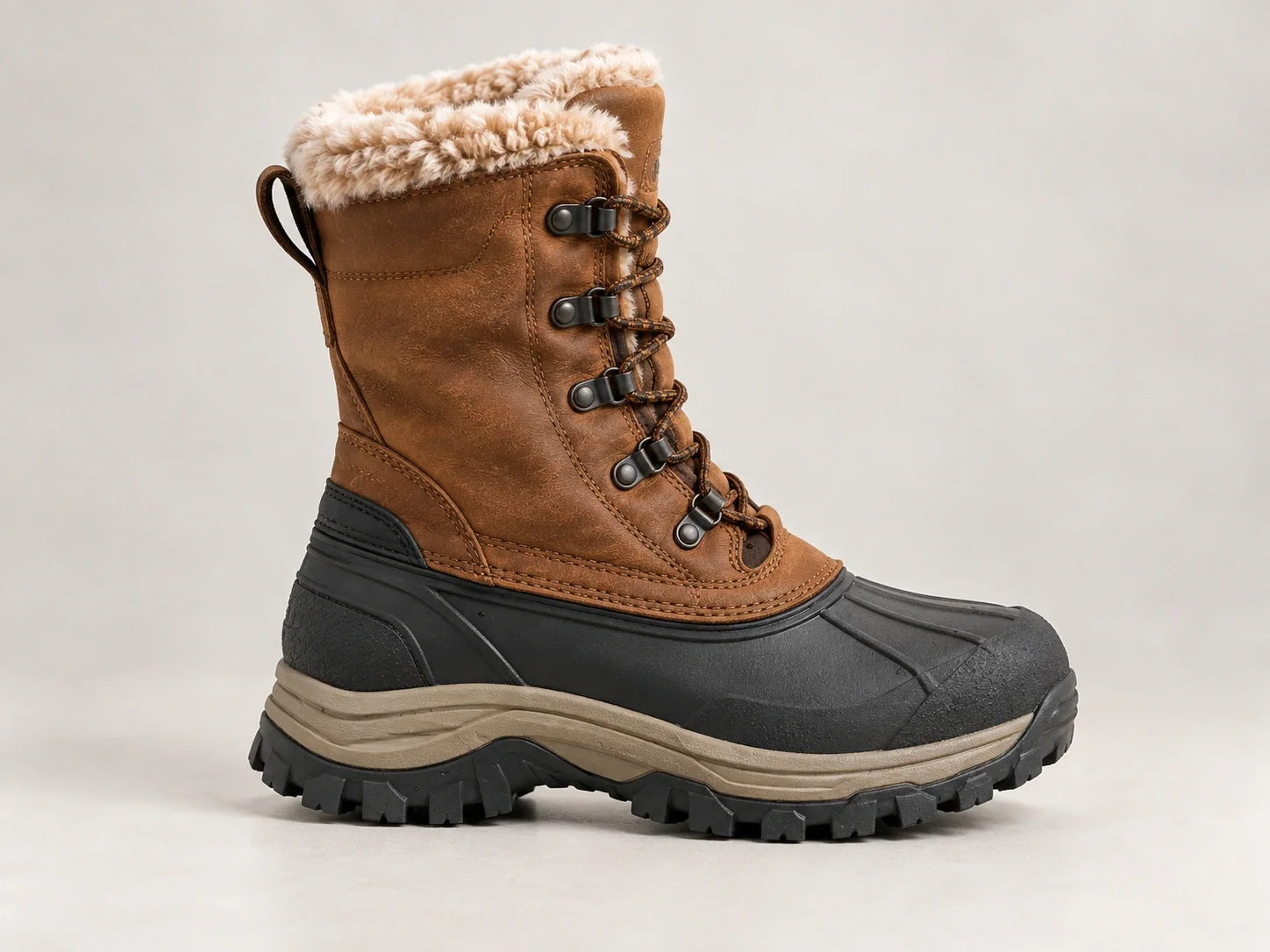
For Cold & Wet Weather
Insulation, waterproofing, and traction on ice are essential. Prioritize warmth and weather protection.
Explore Snow Boots →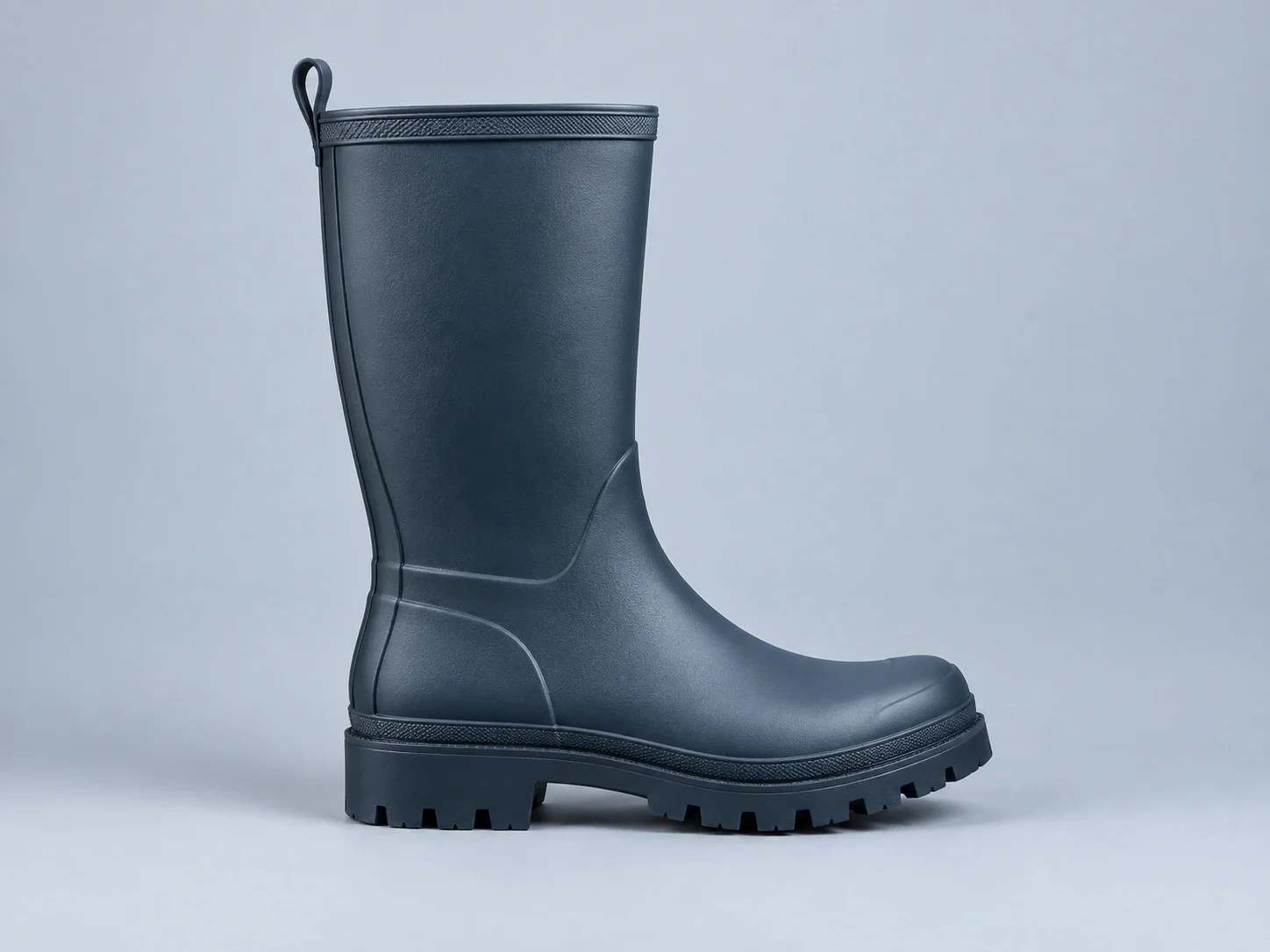
For Rain & Mud
Fully waterproof rubber construction is non-negotiable. Height and grip matter for puddles and mud.
Explore Rain Boots →Honest Self-Assessment: Be truthful about how you'll actually use your boots—not how you imagine you'll use them. Most people overestimate how rugged their lifestyle is and end up with boots that are heavier, hotter, or stiffer than they need.
Step 2: Measure Your Feet Properly
Getting the right fit is the difference between boots you love and boots that sit in your closet. Here's how to measure correctly:
- Measure at the end of the day: Your feet naturally swell throughout the day, so evening measurements are most accurate.
- Wear your boot socks: If you plan to wear thick socks with your boots, measure while wearing them.
- Stand on paper: Place your foot on a piece of paper against a wall. Mark the tip of your longest toe and the back of your heel.
- Measure length: Measure the distance between the two marks. Do this for both feet—they're often different sizes.
- Measure width: Wrap a measuring tape around the widest part of your foot (usually the ball).
- Compare to size charts: Use the manufacturer's size chart, not generic conversions. Boot lasts vary between brands.
For a more detailed walkthrough, see our complete boot fit and measurement guide.
Common Mistake: Don't assume your sneaker size is your boot size. Athletic shoes are often sized differently, and boots typically require a bit more room for toe movement and thicker socks.
Step 3: Choose Your Materials
The material of your boots affects everything: appearance, durability, comfort, weather resistance, and how much maintenance they'll need.
- Full-grain leather: The most durable and premium option. Develops a beautiful patina with age. Requires regular conditioning. Ideal for everyday leather boots.
- Suede: Soft, elegant texture. Less water-resistant than smooth leather. Requires protection sprays and careful cleaning. See our suede cleaning guide.
- Nubuck: Similar to suede but slightly more durable. Offers a refined matte finish. Learn about nubuck care.
- Synthetic materials: Often lighter and more affordable. Can offer excellent water resistance and breathability. May not last as long as leather.
- Rubber: Fully waterproof. Used for rain boots and as outsoles on all boot types.
For boots that need to handle wet conditions, look for waterproof boots with sealed seams and waterproof membranes. For cold weather, consider insulated boots with thermal linings.
Step 4: Set a Realistic Budget
Boots range from under $50 to well over $500. Here's a general breakdown of what you can expect at different price points:
- Under $100: Entry-level options suitable for occasional wear or fashion. See our budget boots guide.
- $100–$200: The sweet spot for most people. Decent materials, good construction, and reasonable durability for daily wear.
- $200–$400: Premium boots with better leather, superior construction (like Goodyear welt), and longer lifespans.
- $400+: Luxury and heritage boots. Exceptional materials, craftsmanship, and often resoleable. See our luxury boots guide.
Consider the price-to-quality ratio rather than just the sticker price. A $250 boot that lasts 10 years is a better value than a $80 boot that needs replacing every 18 months.
Step 5: Try Before You Buy
Whenever possible, try on boots in person before purchasing. Here's what to check:
✓ The Perfect Fit Checklist
- Heel slip: Some slip is normal in new boots, but it should be minimal (less than 1/4 inch)
- Toe room: You should be able to wiggle your toes freely with about a thumb's width of space at the front
- Width: No pinching or pressure on the sides of your feet
- Arch support: The boot's arch should align with yours—not too high, not too flat
- Ankle support: The boot should hug your ankle without cutting off circulation
- Break-in expectation: Some stiffness is normal; severe pain is not
If you're buying online (which is often necessary for specialty boots), make sure the retailer has a generous return policy. Try the boots on indoors first and walk around for at least 15–20 minutes before deciding. Learn more in our break-in guide.
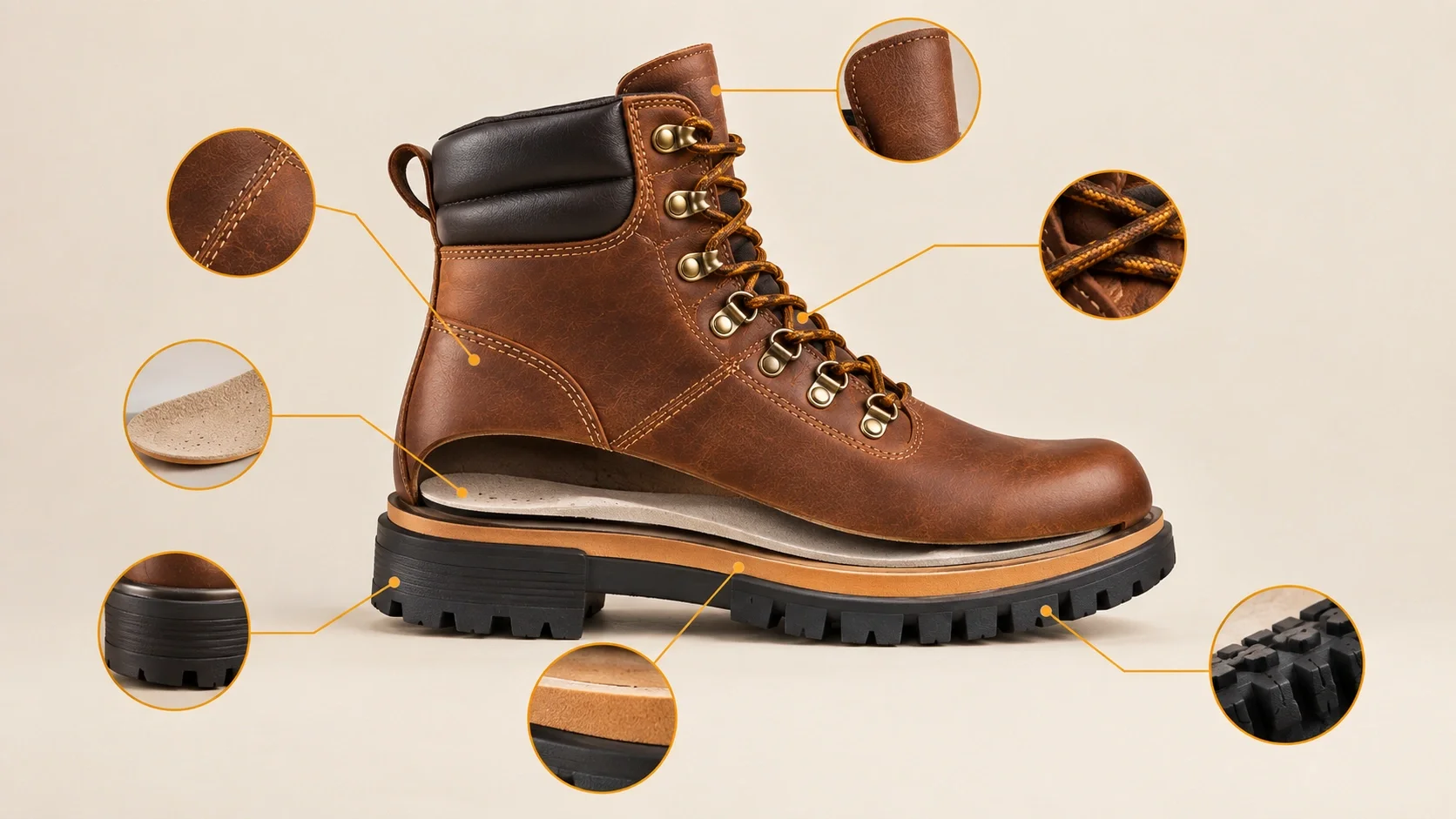
Understanding basic boot anatomy helps you evaluate quality and identify features that matter to you.
Common Beginner Mistakes to Avoid
Learning from others' mistakes can save you time, money, and frustration. Here are the most common pitfalls new boot buyers fall into:
- Buying based purely on looks: That gorgeous boot might be terrible for your actual needs. Prioritize function, then aesthetics.
- Skipping the fit test: Assuming your sneaker size is your boot size is a recipe for discomfort.
- Ignoring break-in time: Quality leather boots often need 1–2 weeks of breaking in before they feel truly comfortable.
- Neglecting maintenance: Boots that aren't cared for will deteriorate quickly. Learn about boot maintenance.
- Choosing style over support: If you'll be on your feet all day, prioritize arch support and cushioning.
- Overlooking weather: Don't buy non-waterproof boots if you live in a rainy climate. Consider waterproof options.
Ready to Dive Deeper?
Now that you understand the basics, explore our detailed guides to make the smartest possible purchase. From specific boot types to care tips and styling advice, we've got you covered.
Explore Buying Guides →Final Advice: Buying your first (or next) pair of boots doesn't have to be stressful. Follow the five steps above, take your time, and don't be afraid to ask questions. The right pair of boots can serve you faithfully for years—making the investment of time and money well worth it. When in doubt, reach out to us through our contact us page, and we'll do our best to point you in the right direction.
Recommended Boots for Beginners
⚠️ AFFILIATE DISCLOSURE: This website contains affiliate links. As an affiliate Associate, we earn from qualifying purchases. If you make a purchase through these links, we may receive a small commission at no additional cost to you. Read our full affiliate policy.

IUV Cowboy Boots For Women Western Cowgirl Boots Mid Calf Snip Toe | Chunky Heel Ideal for low insteps
Check price on Amazon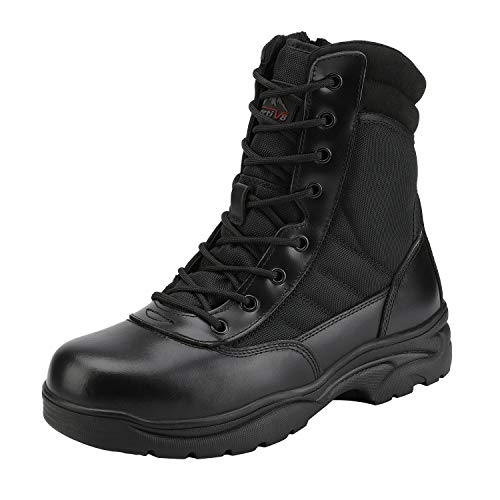
NORTIV 8 Men's Military Tactical Work Boots,Black,13W | Side Zipper Leather Motorcycle Combat Boots for Outdoor Work Hiking Tactical Use and Daily Wear With Durable Comfort Trooper
Check price on Amazon
PROJECT CLOUD 100% Genuine Leather Womens Boots Ankle Boots for Women Shoes | Water Resistant Memory Foam Insole Winter Shoes - Trendy Footwear Outdoor Fall Shoes for Women - Winter Booties for Women
Check price on Amazon
Lumeheel Cowboy Boots for Men - Western Men's Boots with Classic Embroidered, Slip on Square Toe Country Boots with Chunky Heel, Durable Short Ankle Boots for Spring Fall, Brown, Size 10
Check price on Amazon
DREAM PAIRS Women's Knee High Winter Slouchy Boots,Size 8,Black | Warm Comfort Faux Fur Lining,Pull-on with Zipper,0.5-inch Low Heel,Flat Boots for Women
Check price on Amazon
AMINUGAL Black Knee High Boots Women Moto Biker Buckle Tall Boots Size 7.5
Check price on Amazon